A guide to pairing wine intuitively
Forget red-with-meat. Match weight to weight, acidity to fat, sweetness to spice. Three rules that cover almost every meal you'll actually cook.
 Reviewed by Marcus Henningsson, Head Sommelier

You’re in a restaurant, the food has arrived, and the wine list suddenly looks like a test you forgot to revise for. That’s exactly where a guide to pairing wine intuitively helps most - not by asking you to memorise textbook rules, but by showing you how to make a smart choice based on what’s actually on your plate and what you already enjoy drinking.
The good news is that intuitive pairing is not guesswork. It’s pattern recognition. Once you understand a few simple cues - weight, acidity, salt, fat, spice, and sweetness - wine starts to make more sense. You stop choosing between red or white as if those are the only two options, and start choosing with more confidence.
What intuitive pairing actually means
A lot of wine advice makes pairing sound stricter than it is. White with fish, red with meat, and don’t ask questions. That can work, but it also falls apart the second you add a tomato sauce, a creamy dressing, chilli heat, chargrilled vegetables, or a buttery side dish.
Pairing intuitively means matching the structure and mood of the wine to the food in front of you. You’re paying attention to how heavy or light the dish feels, whether it’s fresh or rich, whether it leans salty, acidic, spicy, or sweet, and how those qualities might either clash with or support the wine.
This matters because most meals are more complex than the old rules allow. Grilled salmon is not the same as salmon in a creamy sauce. Roast chicken with lemon and herbs needs something different from roast chicken with mushrooms and pancetta. Intuitive pairing gives you enough guidance to adapt.
Start with weight, not colour
If there’s one habit worth building, it’s this: match the weight of the wine to the weight of the food.
Light dishes tend to work better with lighter-bodied wines. Richer dishes usually need wines with more body or texture. A delicate white fish can feel overwhelmed by an oaky Chardonnay, while a rich mushroom risotto might make a very crisp, lean white seem thin and sharp.
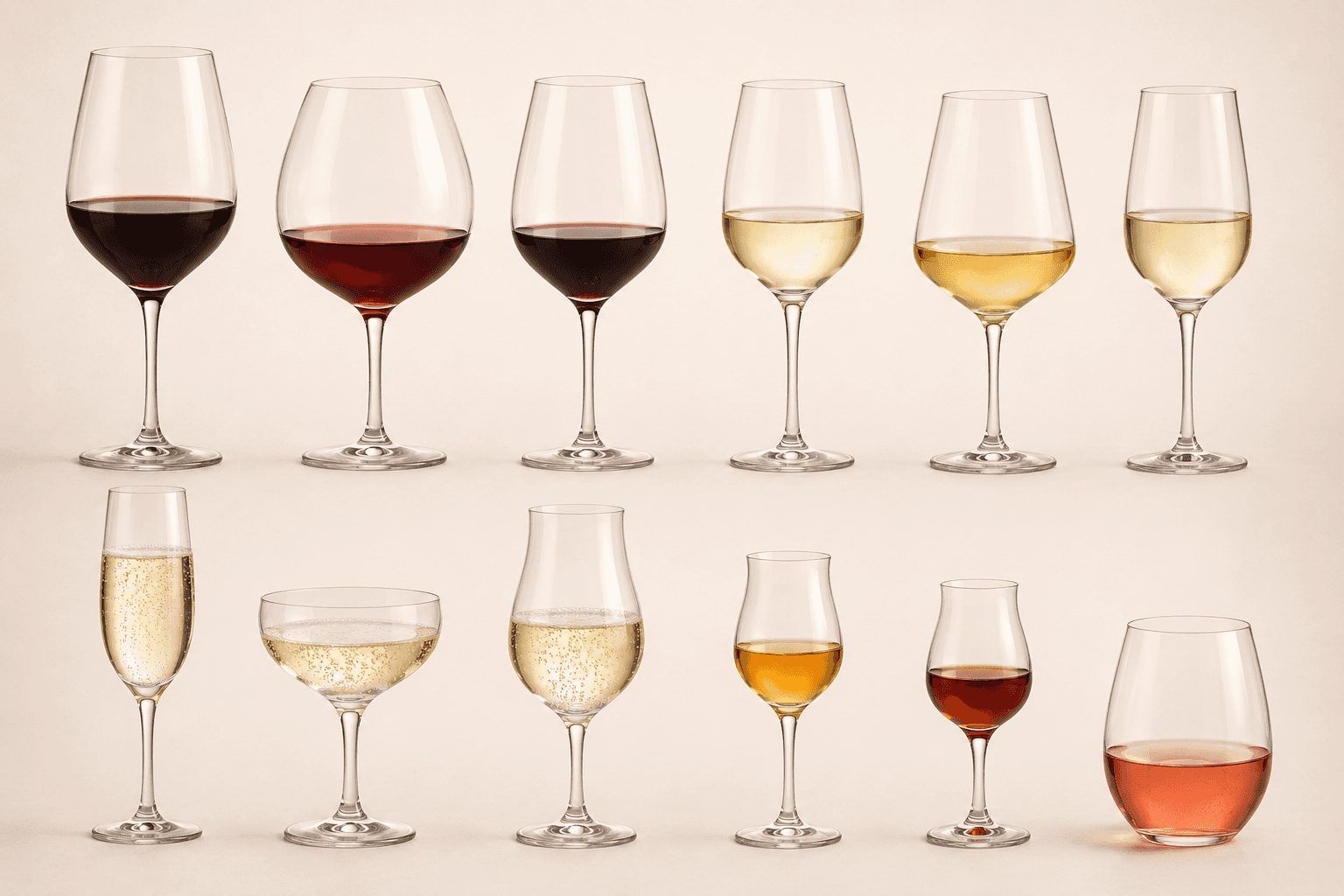
Think of it as balance rather than perfection. A fresh Sauvignon Blanc can make a goat’s cheese salad feel brighter. A medium-bodied Pinot Noir can sit comfortably with duck, roast chicken, or earthy vegetable dishes because it has enough presence without becoming too heavy. A fuller red like a Shiraz often makes more sense when the food has serious richness, smoke, or char.
Weight is often a better starting point than colour because plenty of wines cross categories. Some whites are broad and creamy. Some reds are light and lifted. If you focus only on red versus white, you miss the wines that actually fit best.
Acidity is your best friend
In any practical guide to pairing wine intuitively, acidity deserves special attention because it solves more problems than almost anything else.
High-acid wines feel fresh, lively, and mouth-watering. They work brilliantly with foods that are rich, oily, creamy, or tangy. That’s why a crisp white can be so good with fried food, soft cheese, or dishes with lemon, tomatoes, or vinaigrette. The wine cuts through heaviness and keeps the whole meal from feeling flat.
This is also where many pairings go wrong. If your food is highly acidic - say a tomato pasta, a salad with sharp dressing, or a dish with citrus - a low-acid wine can taste dull. The food makes the wine seem softer and less interesting. A wine with enough acidity can keep up.
When you’re unsure, a fresh wine is often the safer move. Picpoul with seafood, Riesling with lighter spicy dishes, or Sangiovese with tomato-based meals are popular for a reason. They bring energy.
Fat, salt, and texture change everything
Rich food softens wine. Salt can make it taste fruitier. Cream can highlight acidity. Once you notice that, pairing becomes much easier.
Fatty or oily dishes usually benefit from either acidity or tannin. Acidity refreshes the palate, while tannin gives structure and contrast. That’s why sparkling wine with fried food works so well. It’s also why a tannic red can suit a fatty steak. The texture of the food changes how the wine feels.
Salt is especially useful because it tends to make wines taste more generous and less bitter. Salty foods like hard cheese, cured meats, olives, or roast potatoes can make a red feel smoother and a white feel more expressive. This is one reason wine and snack-style food pairings can be so satisfying.
The trade-off is that very tannic reds can feel harsh with delicate food. If the dish is subtle, the wine can dominate. So if you’re having something soft and lightly flavoured, you’ll usually want softer tannins and less weight.
Spice needs a different approach
Spicy food is where people often reach for a big red and end up disappointed. Alcohol and tannin can amplify chilli heat, making the whole experience feel hotter and less balanced.
If a dish has real spice, it often helps to choose wines that are lower in tannin, not too high in alcohol, and with a bit of fruit generosity. An off-dry Riesling, a fruit-forward rosé, or a chilled Gamay can work better than a powerful red because they don’t fight the heat.
That doesn’t mean red wine is off the table. It means style matters. A lighter, juicier red is usually easier with spice than something dense, heavily oaked, or aggressively tannic.
This is where personal taste really comes in. Some people like contrast. Others want the wine to calm the dish down. If you know you enjoy heat, you may want a wine that refreshes rather than matches intensity.
Sweetness should be taken seriously
Dessert pairing has one of the simplest rules in wine: the wine should be at least as sweet as the food. If it isn’t, the wine can taste sour or stripped out.
But sweetness matters beyond pudding. A dish with sweet elements - honey glaze, caramelised onions, sweet chilli sauce, ripe fruit, or a touch of coconut - changes how dry wine tastes. The wine may seem sharper, more bitter, or less fruity than usual.
That’s why wines with a little residual sugar can be surprisingly useful at the table. They’re not just for dessert. They can bridge tricky flavours and make savoury dishes feel more harmonious.
Think about the sauce, not just the main ingredient
This is one of the easiest upgrades to your wine decisions. Pair to the dominant flavour on the plate, which is often the sauce, seasoning, or cooking method rather than the protein itself.
Chicken is the classic example. Chicken in a creamy tarragon sauce suggests something very different from chicken with lemon and capers, or smoky chicken from the barbecue. The same goes for pasta, fish, and vegetables. A mushroom sauce can pull you towards earthy reds or textured whites. A tomato sauce might want acidity. Butter and cream often welcome freshness.
The ingredient list matters less than the final flavour profile. Ask yourself what the dish tastes like overall. Bright? Rich? Smoky? Spicy? Salty? That answer is usually more useful than whether it started life as fish, meat, or vegetables.
Use your own taste as data
The best pairing advice in the world is still too general if it ignores what you actually like. If you know you prefer crisp whites to oaky ones, or lighter reds to bold, jammy styles, that preference should shape the decision.
This is where wine becomes more personal and much less intimidating. Instead of chasing someone else’s ratings or trying to impress the table, you’re building a clearer picture of your own palate. Maybe you consistently enjoy high-acid wines with food. Maybe you like soft reds with earthy dishes but not with steak. Maybe you’d always rather drink sparkling than a heavy red. That’s useful information, not a mistake.
A wine app such as Swirl can help here because remembering what you liked, in what context, is half the battle. The more you track bottles and meals, the faster pairing becomes intuitive. You’re no longer relying on vague memory or generic advice. You’re using your own experience.
A simple way to choose in real life
When you’re standing in a shop or scanning a wine list, keep it simple. First, think about the weight of the meal. Then notice the strongest flavour signals - acid, creaminess, salt, spice, sweetness, smoke. Finally, choose whether you want the wine to mirror the dish or refresh it.
If the meal is rich, a fresh wine can lift it. If the meal is delicate, a subtle wine can preserve it. If the dish is spicy, avoid making life harder with too much tannin or alcohol. And if the pairing seems slightly imperfect but still sounds enjoyable, that’s completely fine. Wine is part of the meal, not an exam.
The more often you make these small decisions, the less mysterious pairing becomes. You start recognising your own patterns. You stop defaulting to the second-cheapest bottle or the same safe order every time. And that’s usually when wine gets more fun - when your choices begin to feel like yours.
Frequently asked questions
What is the most important rule for pairing wine with food?
The most useful habit is to match the weight of the wine to the weight of the food. Light dishes tend to suit lighter-bodied wines, while richer dishes usually need more body or texture. Weight is a better starting point than colour, because some whites are broad and creamy and some reds are light and lifted.
What wine goes with spicy food?
With spicy food, choose wines that are lower in tannin, not too high in alcohol and with a bit of fruit generosity. An off-dry Riesling, a fruit-forward rosé or a chilled Gamay often works better than a big red, because alcohol and tannin can amplify chilli heat and make the dish feel hotter.
Why does acidity matter in food and wine pairing?
Acidity matters because it solves more pairing problems than almost anything else. High-acid wines cut through rich, oily, creamy or tangy food and keep a meal from feeling flat. If the food itself is very acidic, such as tomato pasta or a sharp salad dressing, a low-acid wine can taste dull, so choose one that keeps up.
Should I pair wine with the sauce or the meat?
Pair wine with the dominant flavour on the plate, which is often the sauce, seasoning or cooking method rather than the protein. Chicken in a creamy tarragon sauce needs something different from chicken with lemon and capers. A mushroom sauce leans towards earthy reds or textured whites, while a tomato sauce wants acidity.

Article reviewed by
Marcus Henningsson
Head Sommelier
Marcus is our Head Sommelier with experience in highly regarded places including 1, 2 and 3-Michelin-starred restaurants. With over 10 years of experience, he's passionate about helping people having unforgettable wine experiences.