Article
Standing in front of a wine shelf with 200 labels and no clue where to start is not a taste problem. It is an information problem. AI wine recommendations are useful because they turn vague instincts - too dry, too heavy, actually loved that one from last month - into something you can act on when you are choosing a bottle.
That matters more than most wine advice admits. A lot of wine buying still runs on broad categories, shelf talkers and crowd scores that flatten taste into a number. If you have ever bought a highly rated bottle only to find it sharp, thin or just not your thing, you already know the gap. Personal taste is not a popularity contest.
Why AI wine recommendations feel more helpful than ratings
Most ratings answer the wrong question. They tell you whether a large group of people approved of a wine, not whether you will enjoy drinking it tonight with mushroom risotto, grilled lamb or a Friday takeaway. That is why generic wine advice can feel oddly useless in the exact moment you need it.
AI wine recommendations work best when they start with your preferences rather than the crowd's. If you tend to like smoother reds over tannic ones, fresher whites over oaky styles, or sparkling wines that lean crisp rather than creamy, a good recommendation system should learn that pattern. Over time, it should become less like a search engine and more like a smart memory for your palate.
That shift is bigger than it sounds. For beginners, it removes the pressure of feeling underqualified. For regular drinkers, it cuts down on expensive guesswork. For enthusiasts, it creates a more organised way to track what actually lands well, instead of relying on half-remembered labels and vague notes in your phone.
What makes AI wine recommendations actually good
Not all recommendation tools are doing the same job. Some are little more than databases with a search bar. Others lean heavily on general popularity. The best ones combine several signals and keep adjusting as you use them.
Taste data matters more than wine jargon
A recommendation engine is only as useful as the inputs it understands. If it asks whether you prefer bold or light-bodied reds, ripe fruit or earthy notes, creamy Chardonnay or mineral-driven white wine, it has a better chance of sending you towards bottles you will genuinely enjoy.
This is where many wine tools go wrong. They expect users to describe their palate like a sommelier. Most people do not think that way. They think in practical terms: I want something smooth, I do not want anything sour, I need a white that works with spicy food, I loved that bottle at a restaurant but cannot remember the producer. Good AI translates those everyday preferences into patterns.
Your history should shape the next suggestion
One decent recommendation is helpful. A system that gets better after every scan, rating or saved bottle is where things become genuinely valuable. If you log what you liked, disliked and ordered again, the recommendations should evolve.
That matters because taste is not fixed. You might begin by preferring soft, fruit-forward reds, then slowly move towards lighter, more savoury styles. Or you might realise you love high-acid whites with food but want richer styles on their own. AI can track that shift without forcing you to start from scratch every time.
Context changes the right bottle
The best wine for a weekday pasta is not always the best bottle for a dinner party or a gift. Strong AI wine recommendations take context seriously. Price matters. Food matters. Occasion matters. Even confidence level matters. If you want a safe pick for guests, that is different from wanting something new just for yourself.
This is one of the most practical uses of recommendation technology. Instead of treating wine like a static category, it reflects how people actually buy it - quickly, socially and usually with a specific meal or moment in mind.
Where AI helps most in real life
Wine advice tends to become abstract fast. Real decisions are not abstract. They happen in shops, on menus and in your kitchen while something is already in the pan.
In a wine shop, AI can narrow choice in seconds. Scan a label, compare it to bottles you already liked, and decide whether it fits your taste before it lands in your basket. In a restaurant, it can help you move past the usual red-or-white panic and choose something that suits both the food and your preferences. At home, it helps answer the question most people get wrong at least occasionally: what should I open with this dinner?
There is also a less obvious benefit - memory. Most casual wine drinkers do not need more theory. They need a reliable way to remember what they enjoyed. A recommendation tool becomes far more useful when it also acts as a private tasting log. That closes the loop between discovery and future choices.
What AI wine recommendations cannot do perfectly
There is plenty to like here, but it is not magic. If a user gives almost no feedback, recommendations can only be so personal. If a wine database is incomplete or label recognition is weak, the experience becomes patchy. And if the system overweights one preference, it can end up recommending variations of the same bottle style again and again.
That is the main trade-off. Personalisation is great for confidence, but it should not trap you in a rut. A good system balances familiarity with gentle exploration. It should know when to recommend your usual bright Sauvignon Blanc and when to suggest an Albariño that scratches the same itch without being identical.
There is also the human side of wine that no app should pretend to replace. Mood, company and curiosity still matter. Sometimes you buy a bottle because the label catches your eye or a waiter describes it brilliantly. AI should support those moments, not iron them out.
Why private preference beats public opinion
Crowd-sourced scores can be useful as broad market signals, but they are weak at the level that matters most: your glass. A bottle with a high average score may still be wrong for someone who dislikes oak, sweetness or aggressive tannin. Public approval often rewards recognisable styles, not personal fit.
That is why a private tasting history is so powerful. When your own notes, scans and ratings become the basis for future suggestions, wine starts to feel less random. You are no longer borrowing someone else's palate. You are building your own.
For many drinkers, that is the point where wine becomes more enjoyable. Not because they suddenly know every region in Italy or every cru in Burgundy, but because they can walk into a shop and make a choice with confidence.
The future of AI wine recommendations
The next step is not more complexity. It is better usefulness. Recommendation tools will become more valuable as they combine label scanning, food pairing, taste tracking and smarter prompts in one place. The strongest products will feel less like encyclopaedias and more like companions for everyday decisions.
That means fewer generic top-ten lists and more specific guidance. If you liked this Rioja, here are three bottles at different price points with similar structure. If tonight's dinner is roast chicken with herbs, here is a white and a lighter red that both fit. If you want to branch out from Prosecco, here is where to go next without wasting money.
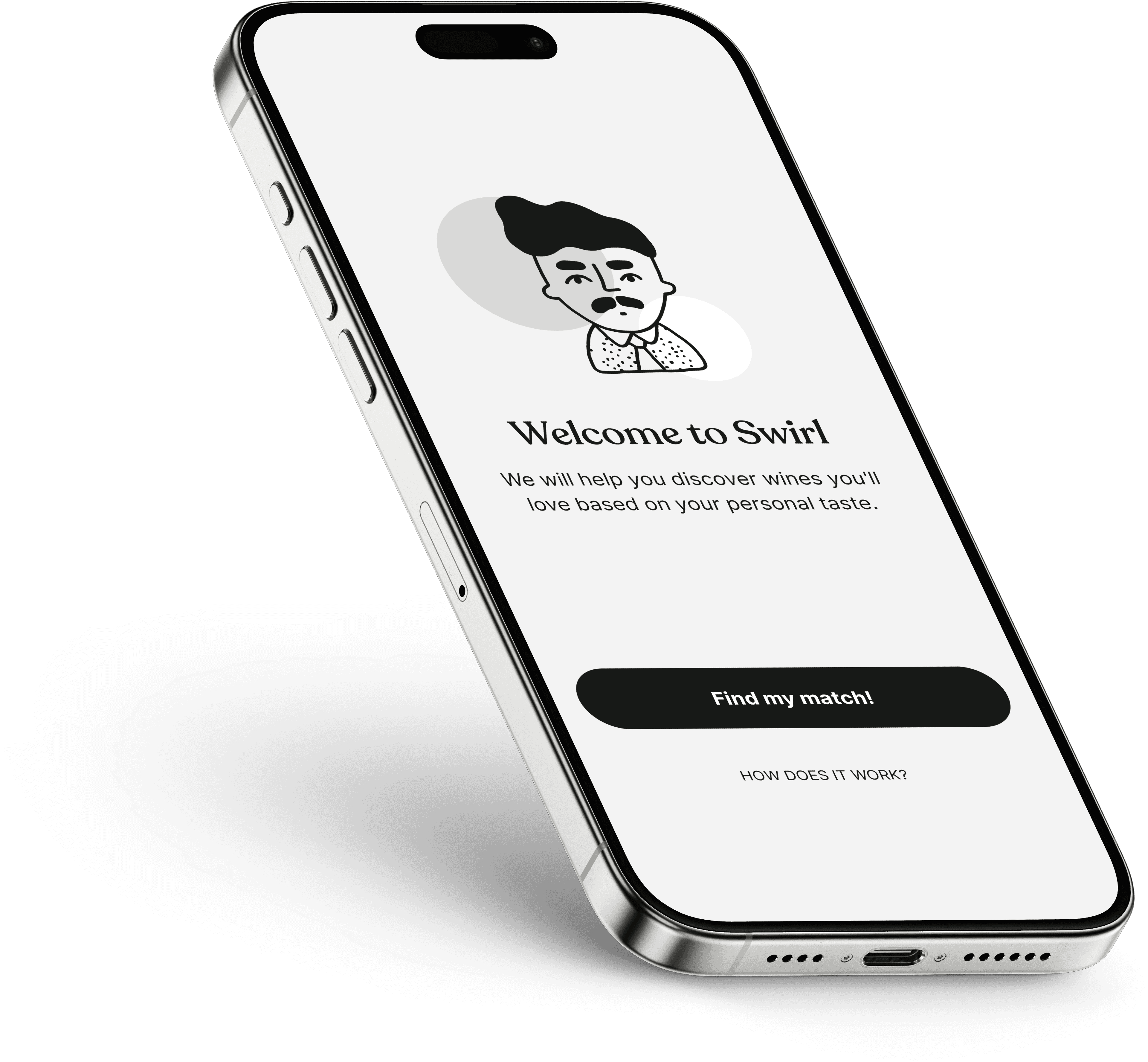
That practical, personalised layer is where apps such as Swirl make the category more useful. The value is not showing off wine knowledge. The value is helping people stop second-guessing every bottle they buy.
The best part is that confidence builds quickly. Once you can spot patterns in your own taste, wine stops feeling like a test you might fail. It becomes what it should have been all along - something enjoyable, personal and easy to choose with a bit of smart help.
Ready to choose wine with confidence?
You don’t need to learn everything. You just need to understand your taste and connect it to what’s in the bottle. Swirl helps you do exactly that.
Scan any bottle
Discover how it’s made
Understand its flavour
Find wines you’ll actually enjoy

Head Sommelier
Marcus is our Head Sommelier with experience in highly regarded places including 1, 2 and 3-Michelin-starred restaurants. With over 10 years of experience, he's passionate about helping people having unforgettable wine experiences.
Go to all articles