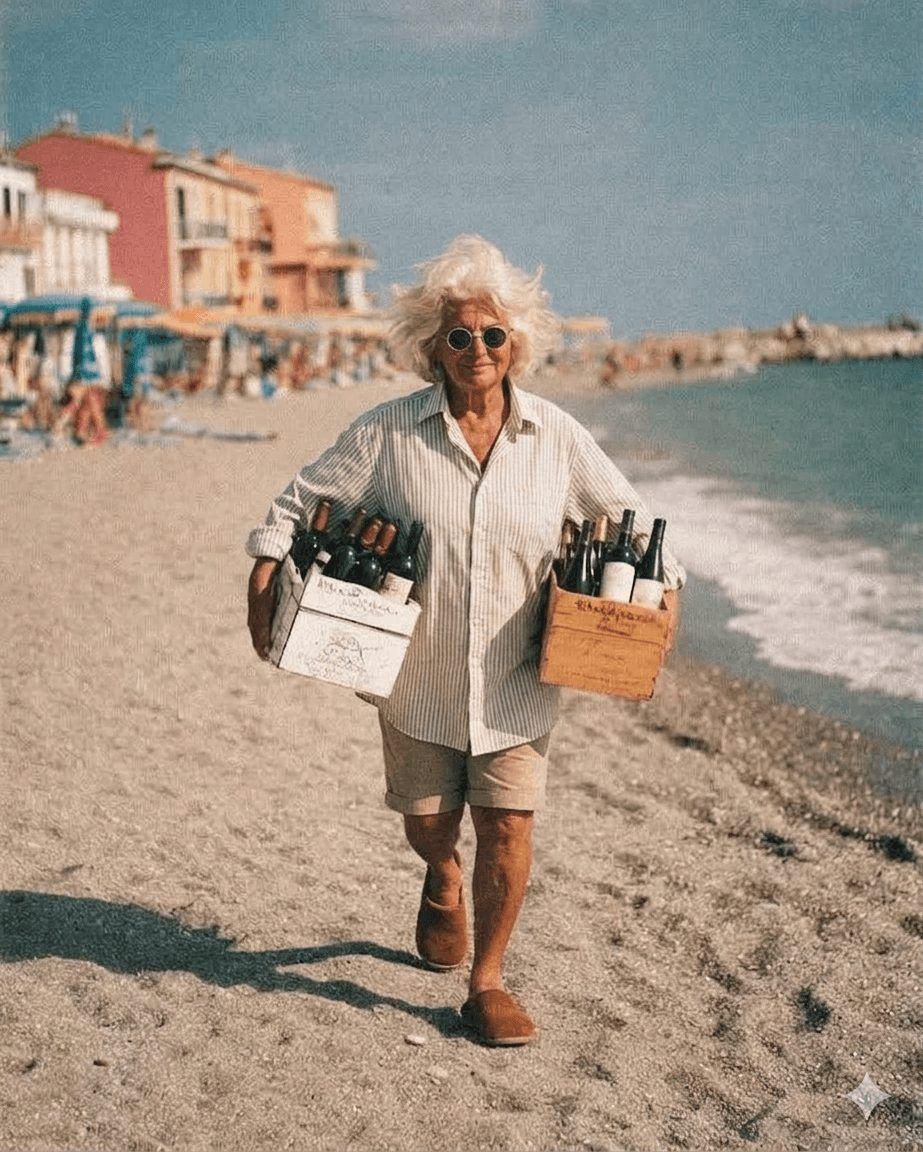
How to remember wines you like
Photograph the label, note one thing you liked and one you didn't, and record where you drank it. Three habits that stop you re-buying blind.
 Reviewed by Marcus Henningsson, Head Sommelier
You know the feeling. You order a glass you genuinely love, promise yourself you will remember it, then stand in a shop a week later staring at shelves with nothing but a vague memory of a nice label and maybe that it was "not too dry". If you have ever wondered how to remember wines you like, the fix is not a better memory. It is a better system.
Most people are trying to remember wine the wrong way. They focus on the producer name, the region, or a grape they are not fully confident pronouncing, then expect all of it to stick after one dinner. That is a lot to ask of your brain, especially when wine is usually part of a meal, a date, or a social night out. Memory works better when you attach a wine to what mattered in the moment - how it tasted to you, what you ate with it, and whether you would happily buy it again.
Why wine is so easy to forget
Wine has a memory problem built in. Bottle designs change, unfamiliar names blur together, and broad categories like red, white, dry, or fruity are not nearly specific enough to help later. Two Sauvignon Blancs can taste very different. Two reds from the same country can feel like completely different wines.
There is also the pressure of other people's opinions. If you are relying on a shelf tag, a medal sticker, or a score from someone whose palate is nothing like yours, you are not building your own memory. You are outsourcing the decision. That may help in the moment, but it does not make the next choice easier.
The better approach is personal rather than performative. You do not need to remember wine the way a sommelier does. You need to remember enough about your own taste that you can repeat what works.
How to remember wines you like in real life
Start by lowering the bar. You do not need a perfect tasting note every time you open a bottle. You need a few repeatable signals that help future-you make a good choice quickly.
The most useful question is not "Was this a good wine?" It is "Would I want this again?" That one shift makes everything simpler. Instead of trying to sound knowledgeable, you are recording a buying decision.
From there, focus on four details: the bottle, the taste, the context, and the verdict. The bottle means the producer, wine name, grape, or a quick photo of the label. The taste means what stood out to you in plain language. Maybe crisp, soft, juicy, earthy, citrusy, smooth, or full-bodied. The context means where you drank it and what you ate. The verdict is simple: buy again, maybe, or no.
That is enough to build a memory you can actually use.
Use your own words, not wine exam words
One reason people stop tracking wine is that they think their notes need to sound clever. They do not. "Fresh and lemony, great with fish" is more useful than a paragraph full of terms you will never use again.
Write the way you naturally speak. If a wine tasted bright, say bright. If it felt too sharp, say that. If it reminded you of berries, herbs, vanilla, or a Sunday roast, that is valid. The goal is recognition, not performance.
This matters because personal language is easier to remember than borrowed language. Your brain keeps what feels familiar.
Record the moment while it is still fresh
If you wait until the next day, details disappear fast. The same is true if you tell yourself you will remember the label later. You probably will not.
The easiest habit is to log a wine while the bottle is on the table or the glass is still in your hand. A quick scan or photo saves far more than trying to reconstruct it later from memory. It turns a passing experience into something you can return to.
If you only remember one thing, remember this: capture first, refine later. A rough note now beats a perfect note never.
Build a simple taste map, not a giant cellar spreadsheet
People often overcomplicate wine tracking. They create huge spreadsheets, colour-coded systems, or note formats so detailed that using them starts to feel like admin. That usually lasts about a week.
A better system is small enough to keep using. Think less archive, more taste map.
Your taste map should help you spot patterns over time. Maybe you keep choosing crisp whites with high acidity. Maybe you enjoy lighter reds more than big, heavy ones. Maybe you like rosé when it is dry, not sweet. Maybe you thought you loved Malbec, but your favourite bottles turn out to be juicy Grenache blends.
These patterns are more valuable than any single bottle. Once you can see them, wine gets easier everywhere - in restaurants, on supermarket shelves, and when friends ask what you like.
Group wines by what they do for you
One of the smartest ways to organise wine memory is by occasion rather than theory. Instead of only sorting by grape or region, sort by role.
You might have a white for takeaways and weeknights, a red for pasta, a bottle you trust for dinner parties, and a sparkling option that always feels like a good idea. These categories match how people actually buy wine.
This also makes recommendations more useful. If you know you want something similar to the crisp white you loved with grilled prawns, that is far easier than trying to remember a full producer name from a holiday two years ago.
The details that matter most
Not every wine fact deserves equal attention. If your goal is memory, some details are much more helpful than others.
Grape variety is useful when it clearly influences taste and when you start seeing repeats. Region can be helpful too, but only if it means something to you. Price matters because it sets expectations and helps you buy realistically. Food pairing is underrated because flavour memory is often tied to what was on the plate.
Vintage can matter, but for most casual drinkers it is not the first thing to focus on. The same goes for alcohol percentage and technical winemaking notes. Interesting, yes. Essential for remembering what you like, not always.
That is the trade-off. More information can make you smarter, but too much information can make you inconsistent. The best system is the one you will still use after a long Tuesday.
Why ratings alone do not help much
A star rating looks tidy, but on its own it is surprisingly weak. A wine you rated four stars six months ago may mean nothing now if you cannot remember why. Was it rich? Was it great with curry? Was it good value or just good in that moment?
Ratings work best when they are paired with one or two reasons. Even a short note gives the score meaning. "4 stars - soft red, easy to drink, would buy for pizza night" is instantly more useful than a bare number.
This is where personalised tracking beats generic scores from strangers. A wine rated 92 by thousands of people tells you almost nothing about whether you will want it with your Friday dinner. Your own pattern tells you much more.
Make it easier to choose the next bottle
The whole point of remembering wine is not memory for memory's sake. It is confidence. You want less hesitation in the aisle, less random guessing on a wine list, and fewer bottles that seemed promising but were not really you.
When you keep even a light record of wines you enjoyed, your next decision gets faster. You can look for similar grapes, regions, styles, or pairings. You can avoid bottles that were too oaky, too sweet, too thin, or just not worth the price. You stop choosing only between red or white and start choosing based on your actual taste.
If you use an app such as Swirl, this process becomes much less manual. Scanning labels, saving private notes, and seeing recommendations based on your own preferences creates the kind of feedback loop that memory alone cannot. The point is not to impress anyone. It is to build a personal reference you can trust.
A habit that lasts
If you want this to stick, make it almost effortless. Log one bottle a week. Add one honest sentence. Revisit your notes before shopping or ordering. That is enough.
You do not need to become a wine scholar to get better at wine. You just need to notice what you enjoy and give that information somewhere to live. Over time, those small records become a clear picture of your taste - not the crowd's, not a critic's, yours.
And once you have that, choosing wine starts to feel a lot less like guesswork and a lot more like knowing yourself.
Ready to choose wine with confidence?
You don’t need to learn everything. You just need to understand your taste and connect it to what’s in the bottle. Swirl helps you do exactly that.
- Scan any bottle
- Discover how it’s made
- Understand its flavour
- Find wines you’ll actually enjoy
Frequently asked questions
How can I remember the wines I like?
Use a simple system rather than relying on memory. For each wine, note four things: the bottle, such as the producer, grape or a quick label photo; the taste in plain words; the context, meaning where you drank it and what you ate; and the verdict, whether you would buy it again, maybe or not.
When is the best time to write down a wine you enjoyed?
While the bottle is on the table or the glass is still in your hand. Details disappear fast if you wait until the next day. A quick scan or photo saves far more than trying to reconstruct it later, so capture first and refine later. A rough note now beats a perfect note never.
Are star ratings enough to remember a wine?
Not on their own. A four-star rating from six months ago may mean nothing if you cannot remember why you gave it. Pair each rating with one or two reasons, such as soft red, easy to drink, would buy for pizza night. A short note gives the score meaning and makes it useful next time.
How should I organise the wines I've enjoyed?
Try grouping wines by occasion rather than only by grape or region. You might keep a white for takeaways and weeknights, a red for pasta, a trusted bottle for dinner parties and a sparkling option. These roles match how people actually buy wine and make it easier to find something similar next time.

Article reviewed by
Marcus Henningsson
Head Sommelier
Marcus is our Head Sommelier with experience in highly regarded places including 1, 2 and 3-Michelin-starred restaurants. With over 10 years of experience, he's passionate about helping people having unforgettable wine experiences.