Article
Why crowd-sourced wine ratings don’t help you choose the right bottle
For a long time wine ratings have been the main way people choose wine.
Before personalised recommendation technology, and before large digital wine databases, ratings were one of the only shortcuts available. If you walked into a wine shop and faced hundreds of bottles, a 90-point score or a 4.2-star rating could at least guide your decision.
Those scores helped simplify a complicated world.
But the wine world has changed.
Today we have access to thousands of wines, global supply chains and more information than ever before. Yet many people are still relying on the same old tool: crowd-sourced wine ratings.
The problem is simple.
Wine ratings measure the average opinion of thousands of people.
But wine enjoyment is personal.
Here’s why ratings often fail to help you find wines you’ll actually love.
Wine ratings measure averages, not personal taste

When thousands of people rate a wine online, those scores are averaged into a single number.
That number might look helpful. But what it actually represents is a statistical middle point between completely different tastes.
Imagine this:
One person loves high-acid wines like Riesling or Chablis.
Another prefers smooth, low-acid reds like Merlot.
Someone else enjoys big, bold wines like Australian Shiraz.
If all three rate the same bottle, their preferences get blended into the same average score.
The result?
A random rating that doesn't say if YOU will like it or not. And taste is everything in wine.
Expectation influences perception

Another major issue with wine ratings is expectation bias. Research has shown that when people believe a wine is expensive, they often rate it higher, even if the wine is identical. In other words, price influences perception.
If someone pays €80 for a bottle, their brain expects the wine to be better. That expectation subtly changes how aromas and flavours are perceived.
The opposite also happens. Affordable wines sometimes receive lower ratings simply because people assume they must be lower quality. This means ratings can sometimes reflect psychology more than flavour.
Popular wines get more ratings

Crowd ratings also create a powerful feedback loop. Wines with higher ratings become more visible on apps, in stores, and in search results. More visibility leads to more purchases, which leads to more ratings. The cycle repeats.
This means highly rated wines often become popular because they are already popular, not necessarily because they are the best match for everyone. A small producer making an incredible wine may receive fewer ratings simply because fewer people have discovered it. In this system, visibility often wins over compatibility.
Wine ratings ignore context
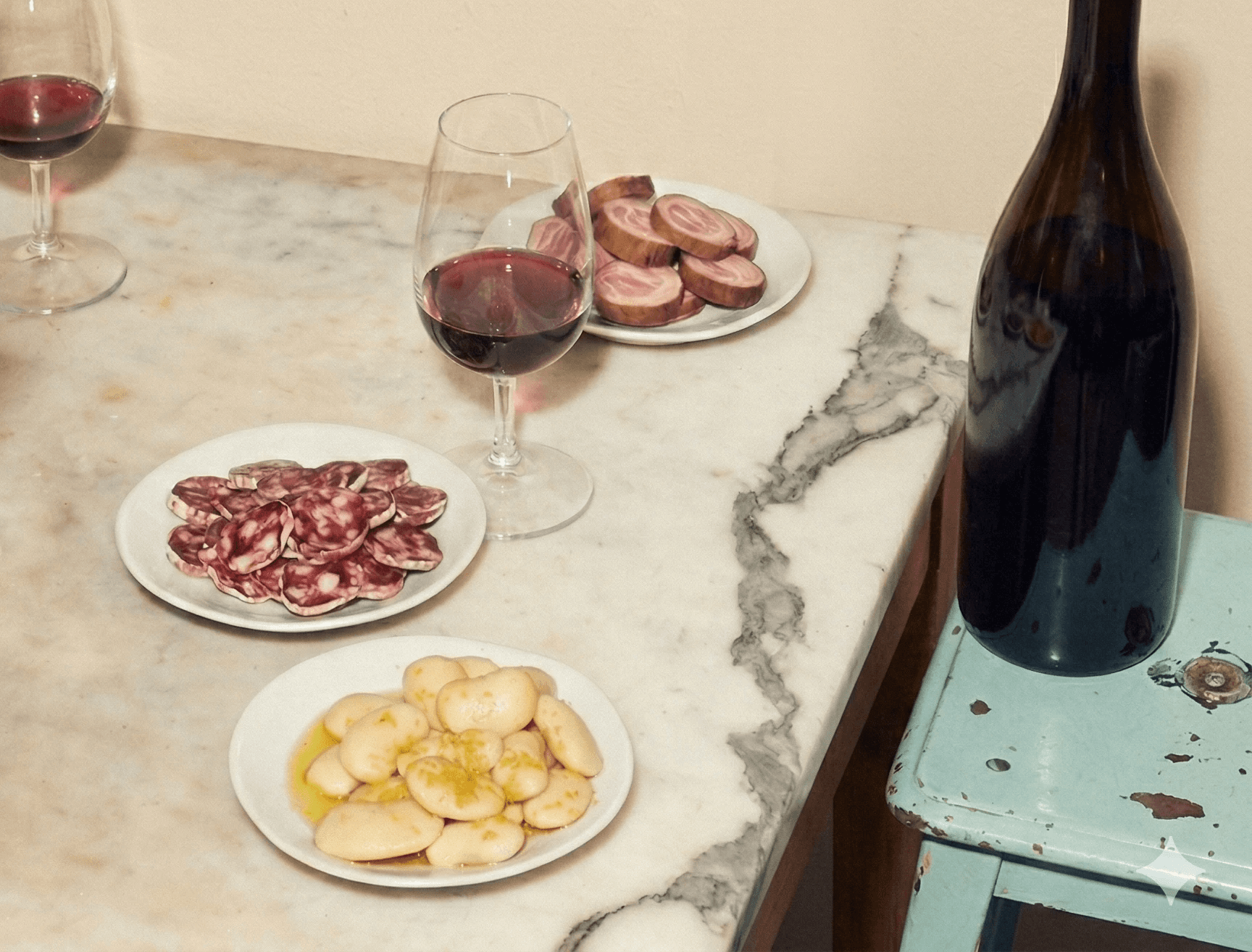
Wine never exists in isolation. The way a wine tastes is influenced by many factors:
what food you are eating
the temperature of the wine
the weather or season
your mood
the occasion
who you are sharing the bottle with…
For example:
A rich Cabernet Sauvignon might feel perfect at a winter dinner with steak.
But that same wine could feel overwhelming on a warm afternoon picnic.
A fresh Albariño may shine with seafood by the ocean, yet feel too sharp when drunk alone. Ratings are influenced by these moments. They simply compress thousands of different experiences into a single number.
Professional ratings vs crowd ratings
There is also an important difference between professional wine critics and crowd-sourced ratings. Professional critics evaluate wine using structured criteria such as:
balance
structure
complexity
ageing potential
Crowd ratings are different. They reflect personal enjoyment at a particular moment. Neither system is designed to answer the most important question: Will this wine fit your taste? And that’s the real gap.
The real question isn’t “Is this wine good?”
The real question is: Is this wine right for me?
Two wines with identical ratings can feel completely different depending on your preferences. Someone who loves crisp acidity may adore a wine that another person finds too sharp. Someone who enjoys soft, fruit-forward wines might dislike a highly structured Bordeaux.
This is why choosing wine purely by rating often leads to disappointment. Ratings tell you what the crowd thinks. But wine is not meant to be enjoyed by the crowd. It’s meant to be enjoyed by you and who you are with.
What if wine recommendations were personal?
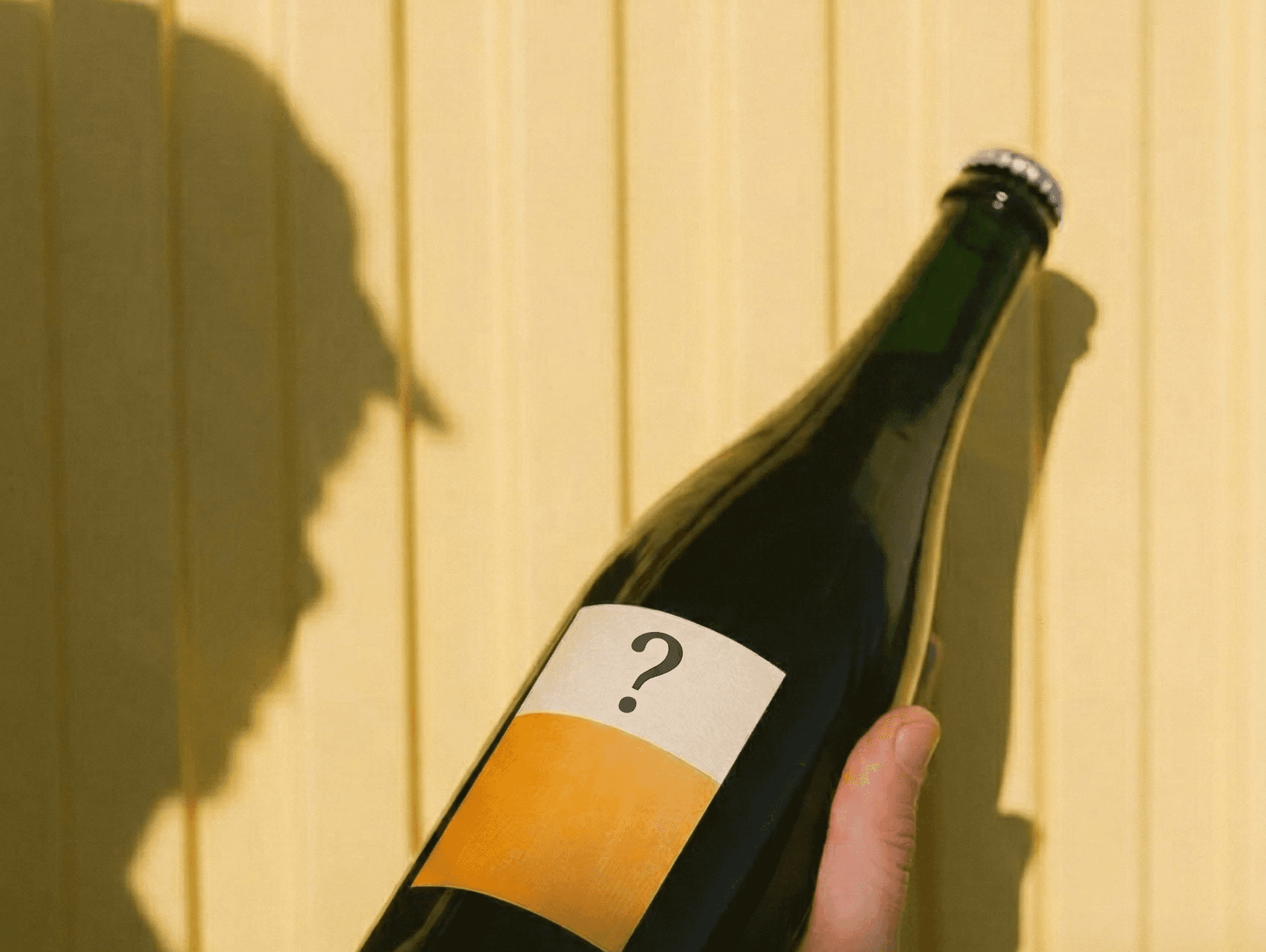
For years, ratings were simply the best shortcut we had. But today, technology allows something much better. Instead of relying on anonymous averages, wine recommendations can now be based on:
your flavour preferences
the wines you already enjoy
your budget
the food you’re eating
the experience you want to have
This approach doesn’t ask whether a wine is popular. It asks whether the wine fits you.
The future of choosing wine
Wine should not be about chasing the highest rating. It should be about discovering bottles that match your palate, your mood, and your moment. Because the best wine for you is not necessarily the one with the highest score.
It’s the one that feels right when you take the first sip. And once you start choosing wine that way, everything changes.
Download Swirl and stop drinking ratings and start drinking what you love.

Head Sommelier
Marcus is our Head Sommelier with experience in highly regarded places including 1, 2 and 3-Michelin-starred restaurants. With over 10 years of experience, he's passionate about helping people having unforgettable wine experiences.
Go to all articles