Article

Wine ratings are everywhere. From apps to store shelves, from online shops to restaurant menus, we’re constantly encouraged to choose wine based on scores. A 4.2 rating, a 90-point review, or a “top-rated” label can feel like a safe shortcut in a world full of options.
And for a long time, it was. Before smartphones and personalised recommendations, ratings helped people navigate an overwhelming category. They brought structure to a complex world—especially for beginners still learning what wine is and how it’s made.
But today, wine ratings are no longer enough. Because wine isn’t about what most people like. It’s about what you like.
Wine ratings measure averages, not your taste
Most wine ratings today are crowd-sourced averages. Thousands of people, each with different preferences, experiences, and expectations, rate the same bottle. Those opinions are then combined into a single number. That number might tell you what’s popular. But it doesn’t tell you if the wine matches your taste.
For example:
If you love fresh, high-acidity wines, you might enjoy styles explained in our guide to wine characteristics and how to identify them.
If you prefer softer wines, you might lean toward smoother styles like those found in beginner-friendly wines.
Both preferences are valid, but when averaged, they lose meaning.
The rating scale isn’t consistent
Not everyone uses ratings the same way. Some people give 5 stars to almost every wine they enjoy. Others reserve high scores only for exceptional bottles. Some rarely go above 3 stars. This creates a major problem:
A €10 wine might get 5 stars because it’s great value.
A €100 wine might get 3.8 because expectations are higher.
Without a shared scale, ratings become unreliable.
Expectation changes how wine tastes
Wine ratings are influenced by psychology. When people believe a wine is expensive, they often rate it higher. This is known as expectation bias. Our brain expects quality and that expectation changes perception.
Understanding how perception works in wine becomes easier when you learn the difference between things like fruitiness vs sweetness in wine, two elements many people confuse.
Popular wines get more visibility
Wine ratings also create a feedback loop. Higher-rated wines get more exposure. More exposure leads to more purchases. More purchases lead to more ratings. This cycle rewards visibility, not compatibility. Meanwhile, incredible wines from smaller producers may go unnoticed.
Wine ratings ignore context
Wine doesn’t exist in isolation. The way a wine tastes depends on:
what you’re eating
the temperature
the setting
your mood
A bold red might feel perfect with steak, but overwhelming on a hot day. A crisp white might shine with seafood but feel too sharp on its own. If you want to understand this better, explore our guide on how to pair wine with food the right way. Ratings don’t capture any of this context.
The real problem: wine is personal
Wine is one of the most subjective products in the world. Two people can taste the same bottle and have completely different experiences. That’s why understanding your palate matters more than following scores. If you’re still exploring your taste, learning about popular wine grapes and their flavours is a great place to start.
So how should you choose wine?
Instead of asking: “Is this wine highly rated?”
Ask: “Is this wine right for me?”
That means understanding:
your flavour preferences
your tolerance for acidity or tannins
your preferred styles
your occasion
Even factors like winemaking techniques (explained in what wine fermentation is and how it works) can influence what you enjoy.
The future of wine is personal
For years, ratings were the best shortcut we had. But today, we can do better. Instead of relying on averages, you can discover wines based on:
your taste
your past experiences
your preferences
Because the best wine isn’t the one with the highest rating. It’s the one that fits you.
Final thoughts
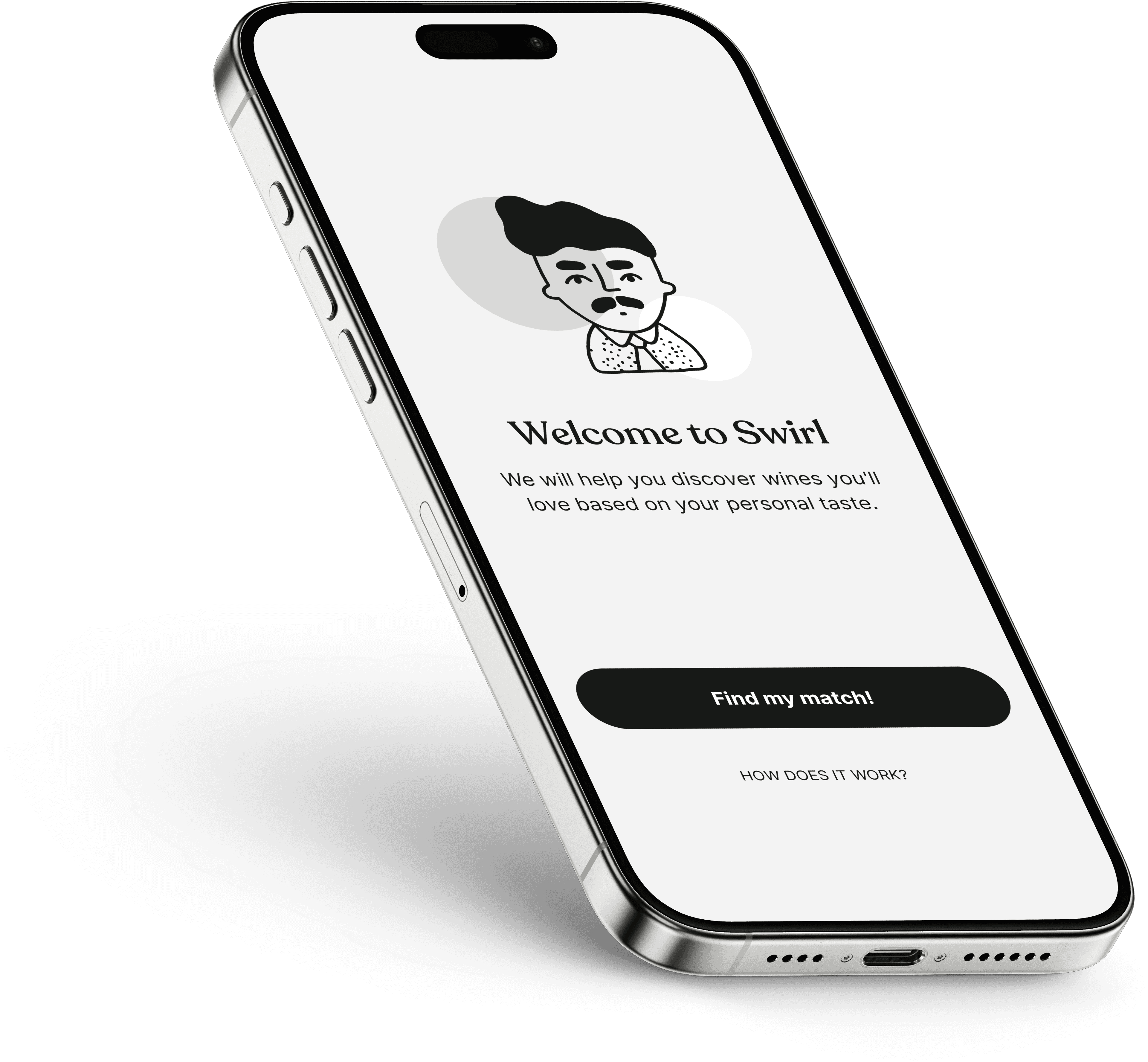
Wine ratings aren’t useless, but they’re limited. They show popularity, not compatibility. So next time you’re choosing a bottle, don’t just look at the number. Trust your taste. That’s where the real discovery begins. Download Swirl and test it for free.

Head Sommelier
Marcus is our Head Sommelier with experience in highly regarded places including 1, 2 and 3-Michelin-starred restaurants. With over 10 years of experience, he's passionate about helping people having unforgettable wine experiences.
Go to all articles