Article
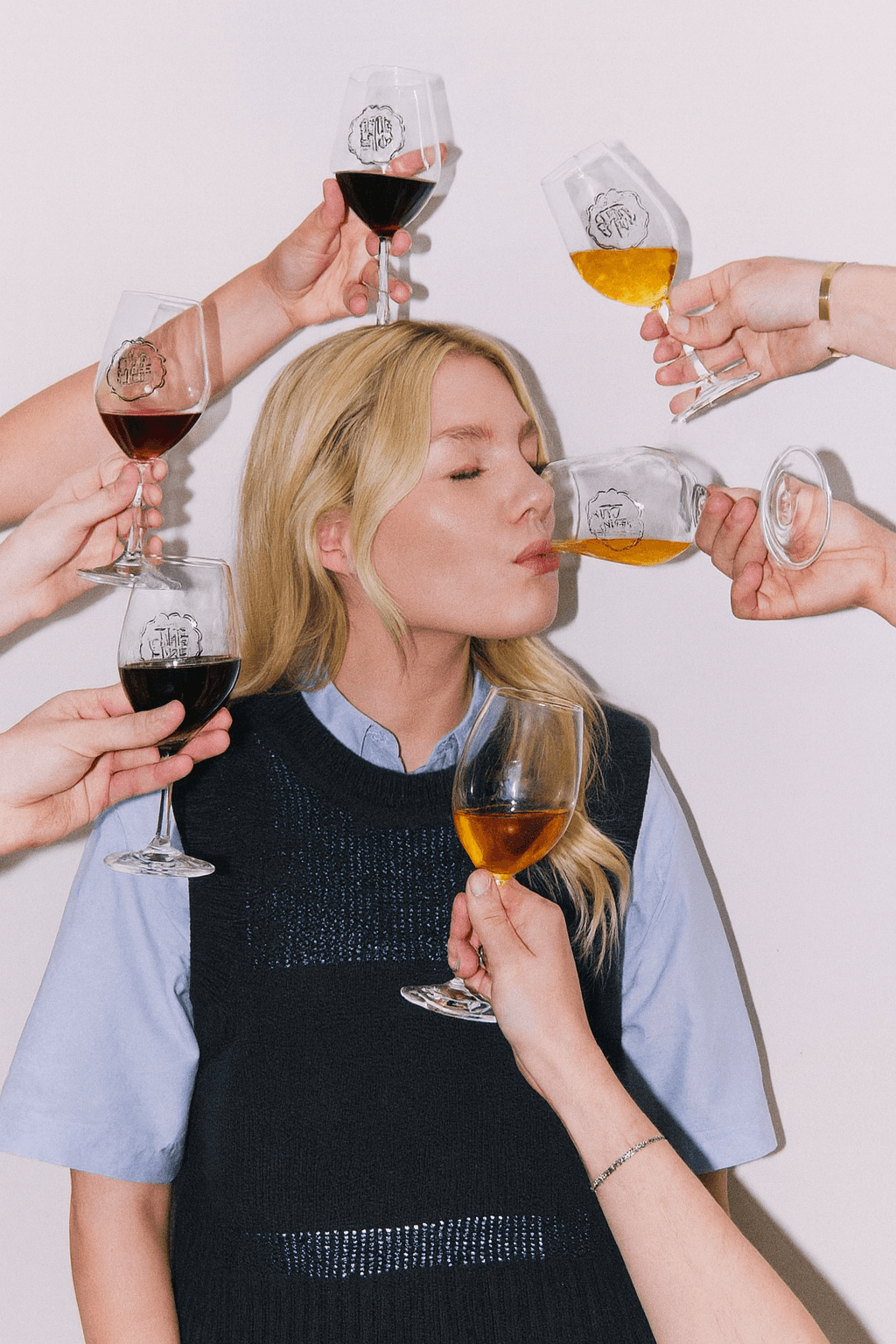
You are standing in front of a wine shelf, mobile phone in hand, staring at labels that all seem to promise something slightly different yet somehow identical. Bright fruit. Elegant finish. Notes of spice. It is exactly in moments like this that personalised wine recommendations become useful - not as a gimmick, but as a way to turn your own taste into a decision you can actually trust.
Most people do not need more wine opinions. They need better ones. More specifically, they need guidance that starts with what they like, what they are eating, how much they want to spend and whether they want something safe or something new. That is the gap between generic ratings and wine advice that feels genuinely helpful.
What personalised wine recommendations actually do
At their best, personalised wine recommendations replace guesswork with pattern recognition. If you have enjoyed a juicy Rioja, a soft Pinot Noir and a fresh rosé, there is already a useful story in those choices. You may prefer lower tannins, brighter fruit, moderate acidity and wines that feel easy to drink rather than severe or heavily oaked.
A good recommendation system takes those signals and uses them to suggest bottles that fit your palate, not somebody else's scorecard. That matters because wine is deeply personal. Two people can drink the same bottle and have completely different reactions to it. One finds it lively and refreshing, the other thinks it is too sharp. Neither is wrong.
This is why broad crowd scores often fall short in real buying moments. A bottle rated highly by thousands of strangers may still be completely wrong for you if your preferences do not line up with theirs. Popular is not the same as suitable.
Why generic wine ratings often let people down
The problem with crowd-sourced wine information is not that it is always useless. It is that it flattens taste into a single number. That number can tell you whether a lot of people approved of a bottle. It cannot reliably tell you whether you will enjoy it with roast chicken on a Tuesday or order it again at a restaurant.
This is where many wine drinkers get stuck. They start relying on scores, medals or shelf talkers because they want a shortcut. Then they end up buying wines that are technically well regarded but personally forgettable.
A more useful approach starts with context. Do you want something light and crisp for a warm evening, or something fuller for a slow dinner? Are you usually drawn to citrus and minerality, or softer textures and ripe fruit? Even your dislikes matter. If you know you rarely enjoy heavy oak or aggressive tannins, that should shape what gets recommended.
Personalised wine recommendations are only as good as the input
There is no magic shortcut around self-knowledge. The strongest recommendation engines work because they learn from your behaviour over time. That can include wines you rate highly, bottles you scan, styles you revisit and food pairings you respond to most often.
Small details build a clearer picture than most people expect. Maybe you keep saying yes to New Zealand Sauvignon Blanc but only some examples, usually the less pungent ones. Maybe you like Malbec in restaurants but prefer Grenache blends at home. Maybe sparkling wine is your celebration default, yet your weeknight preference leans towards lighter reds. These patterns are far more revealing than a single favourite bottle.
This is also why tracking matters. Memory is unreliable, especially with wine. You remember that you liked a label with a blue bird or that one red from a holiday, but not the producer, region or why it worked. Logging what you drink turns random moments into something usable.
How this helps in real life, not just in theory
The value of personalised wine recommendations shows up in ordinary moments. You are choosing from a supermarket shelf after work. You are at a restaurant and want to avoid ordering the second-cheapest bottle just to feel safe. You are buying for friends and want something that suits the meal without overthinking it.
In each case, confidence matters as much as information. A recommendation is helpful when it narrows the field and explains the choice in plain language. Not just this is a good wine, but this should suit you because you tend to prefer fresher whites with citrus notes and moderate acidity, and it will work well with grilled fish.
That kind of support changes the experience. Wine stops feeling like a test you might fail and starts feeling like a choice you can make with a bit of clarity.
The balance between comfort and discovery
Good personalisation should not trap you in a taste bubble. If it only recommends more of the same, it becomes predictable quite quickly. On the other hand, if it pushes you too far outside your preferences too soon, it stops feeling personal at all.
The sweet spot is guided exploration. If you enjoy unoaked Chardonnay, you might be introduced to certain styles of Soave or Picpoul. If you love plush Shiraz, you might be steered towards a ripe GSM blend. The point is not novelty for its own sake. It is helping you expand your range without wasting bottles on styles you were never likely to enjoy.
That is one of the biggest trade-offs in wine discovery. Some people want reassurance. Others want to learn through contrast. Most want a bit of both, depending on the occasion. Tuesday night dinner and a birthday meal are not the same brief.
Why label scanning and tasting notes make a difference
The most practical wine tools reduce friction. If you can scan a label in a shop or at a table and instantly see what the wine is about, how it fits your profile and what food it might suit, the whole process becomes less intimidating.
That convenience matters more than many wine experts admit. People do not always have time to research regions, producers and vintages while standing in an aisle. They want a fast read they can trust.
Private tasting notes are just as important. Public reviews tend to drift towards performance. Private notes are more honest. You are more likely to write that a wine felt a bit too jammy, perfect with pasta, or nicer after twenty minutes in the glass. Those details may sound casual, but they are exactly what helps future recommendations get smarter.
This is where an app like Swirl makes sense for modern drinkers. It turns scanning, rating, remembering and discovering into one habit, so your recommendations improve because they are built around your own actual choices.
What to look for in personalised wine recommendations
Not every recommendation tool is equally useful. The best ones do more than sort by red or white and price. They should recognise taste patterns, remember your history and make suggestions that fit real situations.
Look for guidance that considers style, body, acidity, sweetness, tannin and food pairing without turning everything into textbook jargon. The language should help you choose, not make you feel as though you need a qualification first.
It also helps if the system can explain itself. If a wine is being recommended because it matches bottles you have rated highly, that is useful. If it is suggested because it suits richer food and you tend to prefer rounder textures, even better. A little reasoning builds trust.
The bigger shift: from expert-led to taste-led
For years, wine culture has leaned heavily on expert opinion. There is still value in expertise, of course. Knowledge about regions, producers and styles can be genuinely helpful. But expertise is most useful when it leads you towards your own preferences, not away from them.
That is why personalised wine recommendations feel like such a meaningful shift. They put your taste at the centre. Instead of asking what wine people are supposed to like, they ask what you reliably enjoy and what you might enjoy next.
That shift removes a lot of pressure. You do not need to speak in polished tasting terms or pretend to love something austere because it is fashionable. If you prefer vibrant, fruit-forward reds or crisp whites with a clean finish, that is not a lesser palate. It is simply your palate.
The more clearly you understand it, the easier every wine decision becomes.
Wine gets more enjoyable when it stops being a referendum on your knowledge and starts becoming a record of your taste. The right recommendation does not tell you what is best. It helps you choose what is best for you, right now.
Ready to choose wine with confidence?
You don’t need to learn everything. You just need to understand your taste and connect it to what’s in the bottle. Swirl helps you do exactly that.
Scan any bottle
Discover how it’s made
Understand its flavour
Find wines you’ll actually enjoy

Head Sommelier
Marcus is our Head Sommelier with experience in highly regarded places including 1, 2 and 3-Michelin-starred restaurants. With over 10 years of experience, he's passionate about helping people having unforgettable wine experiences.
Go to all articles