Article
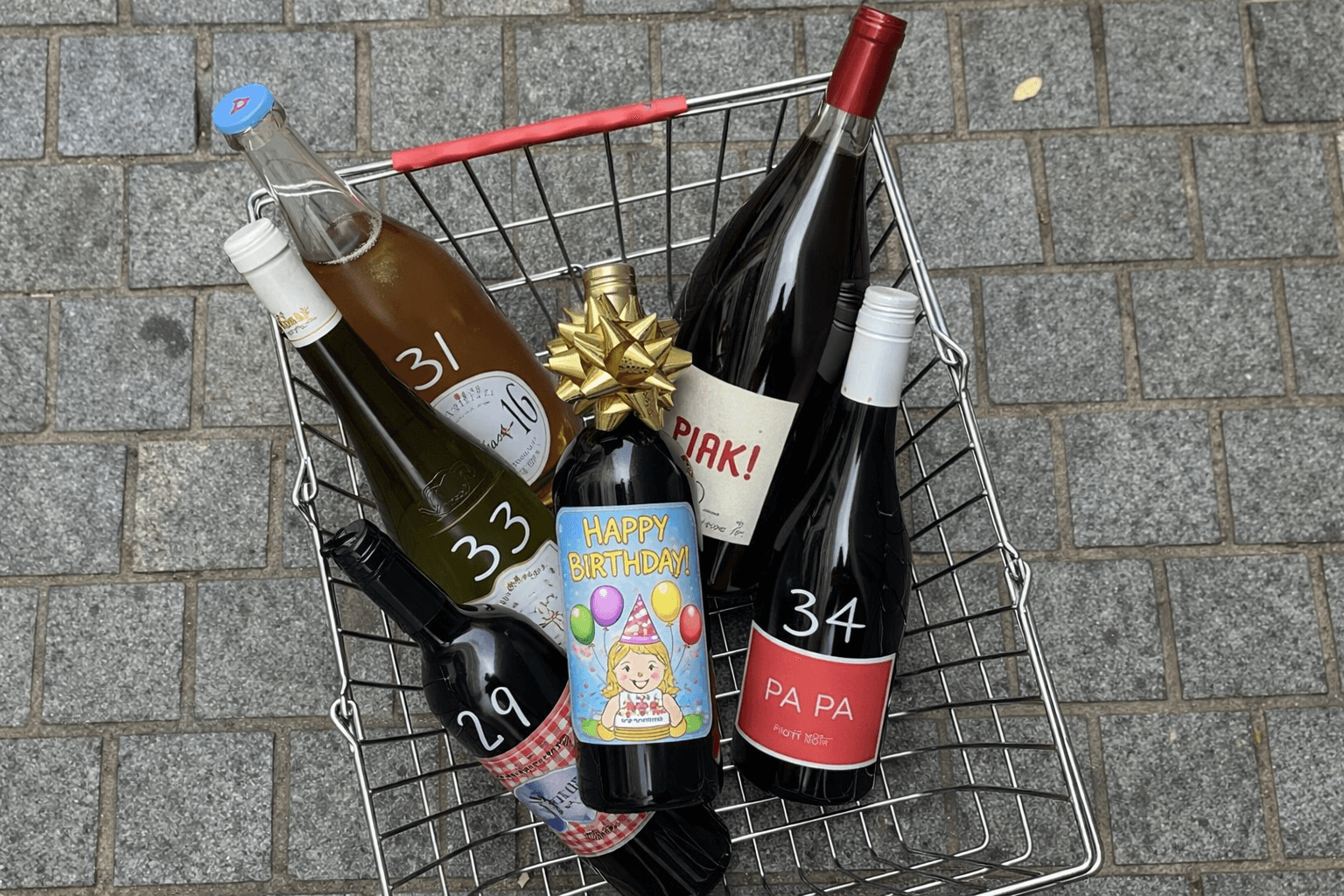
Choosing wine can feel overwhelming. You walk into a store or open a menu and suddenly you’re faced with hundreds of options. Different grapes, regions, prices, styles… and often the only guidance you get is a rating. For years, ratings were the shortcut. But today, they’re not enough. Because the truth is simple:
The best wine isn’t the highest-rated one.
It’s the one that fits your taste.
This guide will teach you exactly how to choose wine—based on your preferences, your experience, and your moment.
Not sure what wine you actually like?
If choosing wine still feels confusing, you’re not alone. Most people rely on ratings—but as you’ll see, those don’t reflect your personal taste.
Swirl helps you discover wines based on your preferences, not the crowd.
Just scan a bottle, explore its flavours, and start building your taste profile.
👉 Download Swirl and start understanding your taste in minutes.
Why choosing wine is so difficult
Wine is one of the most complex products in the world. There are:
Thousands of grape varieties
Dozens of wine regions
Different winemaking techniques
Huge variation in styles and flavours
On top of that, wine labels are often confusing, and most people were never taught how to understand them. So what do people do? They rely on ratings.
But as we explain in our article on why wine ratings don’t always help you choose the right bottle, ratings reflect the average opinion of many people—not your personal taste. That’s why so many people buy “high-rated” wines… and still don’t love them.
Step 1: Understand your taste (this is everything)
If you want to choose wine confidently, you need to understand what you like. Every wine can be broken down into a few key characteristics:
Sweetness
Wine ranges from completely dry to very sweet.
Dry: no noticeable sugar
Off-dry: slightly soft
Medium-sweet to sweet: clearly sugary
If you’re unsure, start by learning the basics in wine characteristics and how to identify them.
Body
Body refers to how “heavy” or “light” a wine feels.
Light-bodied: fresh, easy to drink
Full-bodied: rich, intense
Think of it like milk:
Skim milk → light-bodied
Whole milk → full-bodied
Acidity
Acidity gives wine freshness and crispness.
High-acid wines feel:
Zesty
Refreshing
Sometimes sharp
Low-acid wines feel:
Smooth
Softer
Rounder
Tannins
Tannins are mostly found in red wines and create a drying sensation.
High tannins:
Dry your mouth
Add structure
Low tannins:
Feel smoother
Easier to drink
Turn your taste into recommendations
Understanding sweetness, acidity, or tannins is powerful, but remembering all of it while standing in a store? Not easy.
That’s where Swirl comes in.
Swirl learns what you like and turns it into:
personalised wine recommendations
flavour-based suggestions
wines you’re actually likely to enjoy
👉 Scan your next bottle with Swirl and see how it matches your taste.
Step 2: Learn how to recognise flavours in wine
One of the biggest questions beginners ask is: “How can wine taste like fruits, spices, or even chocolate?” The answer is chemistry. During fermentation and ageing, wine develops aromatic compounds that are also found in other foods. That’s why you might detect notes of citrus, berries, vanilla, or even smoke.
👉 If you want to go deeper, read why wine has so many flavours and aromas.
It’s also important to understand the difference between fruitiness and sweetness, which many people confuse.
👉 Learn more here: fruitiness vs sweetness in wine
Still struggling to describe what you taste?
You’re not supposed to get it instantly. Recognising flavours takes time.
Swirl makes it easier by showing:
clear flavour notes
aroma breakdowns
simple explanations (no wine jargon)
So instead of guessing, you start learning naturally.
👉 Use Swirl to explore what’s really in your glass.
Step 3: Understand the main types of wine
Before choosing wine, you need to understand the basic categories. The main types include:
Red wine
White wine
Rosé
Sparkling
Orange wine
Dessert and fortified wines
Each type has very different characteristics.
👉 If you’re starting out, read types of wine: an overview to build a strong foundation.
Step 4: Food matters more than you think
One of the biggest myths in wine is: “Red wine with meat, white wine with fish.” In reality, food pairing is much more nuanced.
What really matters:
The sauce
The cooking method
The intensity of the dish
For example:
A creamy pasta pairs better with a rich white wine
A spicy dish works well with slightly sweet wines
Fatty foods pair well with high-acid wines
👉 Learn the real principles in how to pair wine with food the right way
Skip the guesswork when pairing wine
Food pairing can feel complicated, but it doesn’t have to be.
With Swirl, you can:
scan a wine and get pairing suggestions
understand why certain combinations work
experiment with confidence
👉 Open Swirl next time you’re cooking and pair like a pro.
Step 5: How wine is made (and why it affects taste)
Winemaking has a huge impact on flavour. Factors like:
Fermentation
Type of yeast
Ageing process
Use of oak
…all shape the final wine.
For example:
Oak barrels can add vanilla, spice, and toast notes
Stainless steel keeps wines fresh and clean
Natural fermentation can create more complex, unpredictable flavours
👉 Explore this in: what is wine fermentation
Step 6: Start with beginner-friendly wines
If you’re just getting into wine, don’t overcomplicate it. Start with styles that are:
Balanced
Easy to drink
Widely enjoyed
👉 Check out beginner-friendly wines for recommendations.
Examples:
Pinot Noir (light red, smooth)
Chardonnay (varies from fresh to rich)
Riesling (can be fresh or slightly sweet)
Step 7: How to choose wine in real life
In a store:
Don’t rely only on ratings
Look for flavour descriptions
Choose based on your preferences
In a restaurant:
Ask for recommendations based on what you like
Match the wine with your dish
For events:
Choose versatile wines
Think about your guests
👉 If you’re hosting, read how to choose wine for an event
Choosing wine in-store just got easier
Standing in front of a wall of bottles? Instead of guessing or relying on ratings, just:
Open Swirl
Scan the label
See if it matches your taste
You’ll instantly get:
flavour profile
style breakdown
personalised fit
👉 No more guessing. Just better wine choices.
The future of choosing wine is personal
For years, choosing wine meant relying on:
Ratings
Experts
Guesswork
But today, we can do better. Wine is personal. Two people can taste the same bottle and have completely different experiences. That’s why the future is shifting toward personalised wine discovery.
Wine is becoming personal and Swirl is leading it
The way we choose wine is changing. From:
ratings → personal taste
guesswork → recommendations
confusion → clarity
Swirl is built for this new way of discovering wine.
Instead of asking “Is this wine good?”
You start asking “Is this wine right for me?”
👉 Download Swirl and start choosing wine with confidence.
Final thoughts
Choosing wine doesn’t have to be complicated. Once you understand:
your taste
the main wine characteristics
how context affects flavour
Everything becomes easier. You stop guessing. You stop relying on averages. You start choosing with confidence.
Because at the end of the day: The best wine is not the most expensive or the highest-rated. It’s the one you truly enjoy.
Ready to stop guessing and start choosing better wine?
You don’t need to memorise grapes, regions, or ratings. You just need to understand your taste. Swirl helps you do exactly that.
Scan any bottle
Discover its flavours
Track what you like
Get better recommendations every time

Head Sommelier
Marcus is our Head Sommelier with experience in highly regarded places including 1, 2 and 3-Michelin-starred restaurants. With over 10 years of experience, he's passionate about helping people having unforgettable wine experiences.
Go to all articles