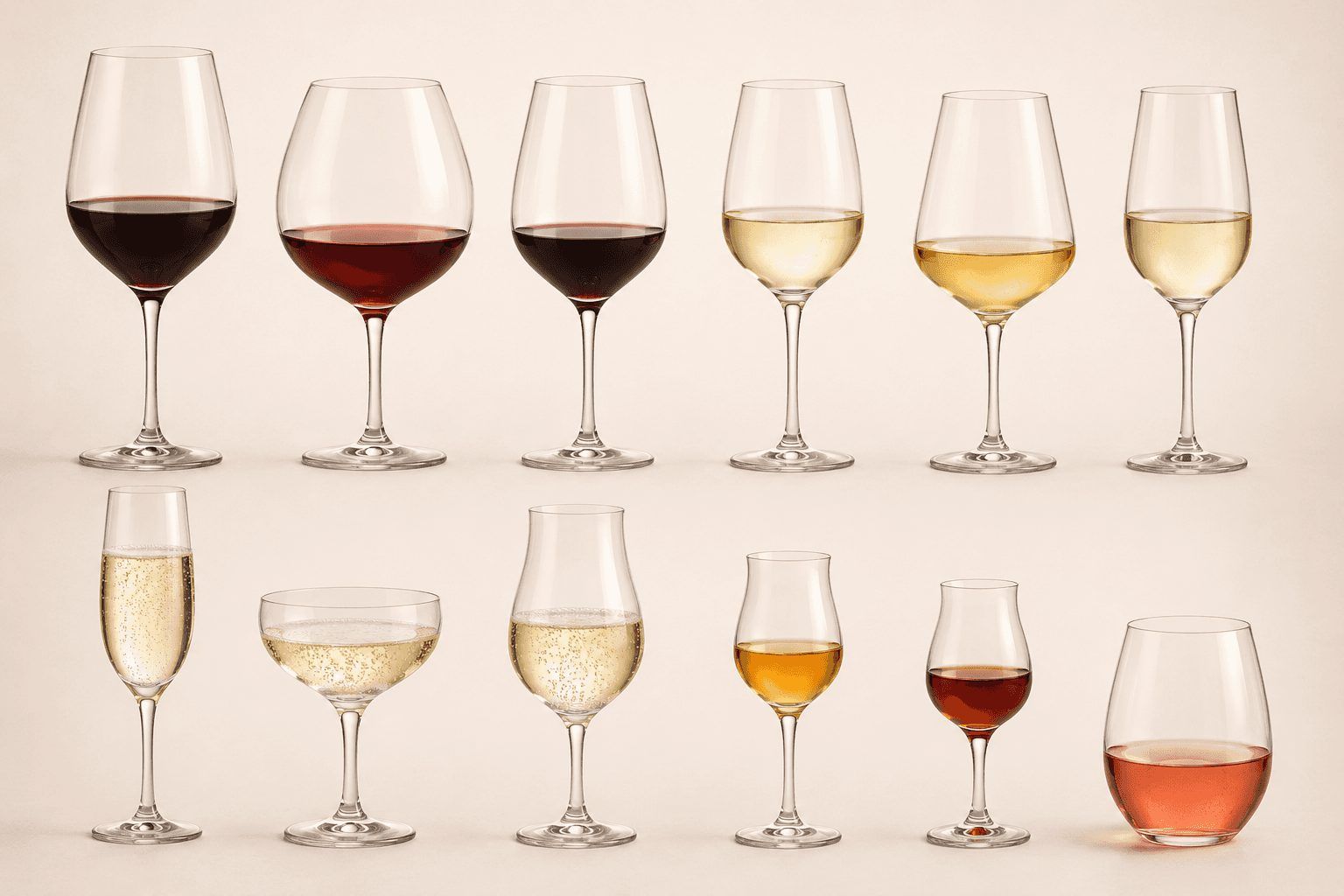
Types of wine: An overview of the main wine varieties
Red, white, rosé, orange, sparkling and fortified. What defines each style, how it's made, and which to try if you're starting out.
 Reviewed by Marcus Henningsson, Head Sommelier
Wine comes in a wide range of flavors, colors, and styles, making it one of the most versatile beverages in the world. For beginners, learning about the different types of wine can enhance the drinking experience and help you discover what you enjoy most. Here’s an overview of the main types of wine, including red, white, rosé, orange, dessert, fortified, and even green wine.
1. Red Wine
Red wine is made from dark-skinned grapes and is known for its rich, bold flavors. Red wines typically have more tannins, which give them structure and a slightly drying sensation. Common red wines include:
- Cabernet Sauvignon: Known for its deep flavor and structure, with notes of black currant and spice.
- Merlot: Softer and fruitier, with flavors of plum, berry, and chocolate.
- Pinot Noir: Light-bodied and delicate, often with cherry, raspberry, and earthy notes.
Red wine is often paired with hearty dishes like steak, lamb, or rich pasta sauces due to its bold flavors and tannins.
2. White Wine
White wine is usually made from green or yellow grapes and is typically lighter, with flavors that range from crisp and citrusy to rich and buttery. Common white wines include:
- Chardonnay: Known for its versatility, ranging from light and citrusy to full-bodied and oaky.
- Sauvignon Blanc: Crisp and refreshing, with notes of green apple, lime, and sometimes herbal aromas.
- Riesling: A highly aromatic grape, Riesling can range from dry to sweet, with flavors of apricot, peach, and floral notes.
White wine pairs well with lighter foods like seafood, salads, and chicken dishes.
3. Rosé Wine
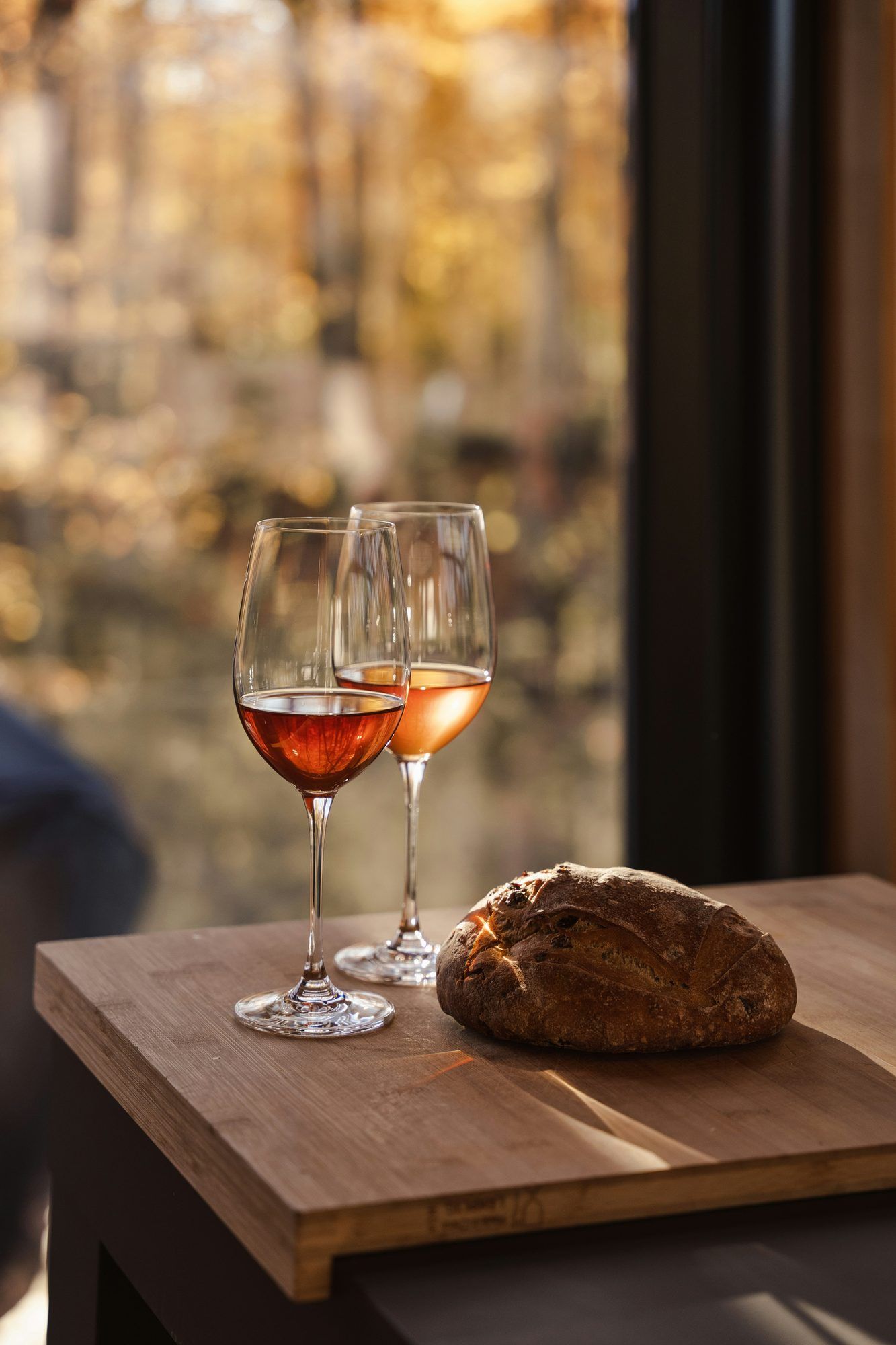
Rosé wine gets its pink color from minimal skin contact with red grapes during the winemaking process. Known for its light and refreshing flavors, rosé is often enjoyed chilled and is ideal for summer. Popular styles of rosé come from Provence (France), known for its dry and delicate flavors, and Spain, where rosés often have a bit more body and berry flavors. Rosé pairs well with a range of foods, including salads, seafood, and grilled dishes.
4. Orange Wine
Orange wine is made from white grapes that are fermented with their skins, similar to how red wines are made. This gives orange wine its unique color and fuller body, along with complex flavors that can include notes of honey, herbs, and dried fruit. Orange wine has gained popularity for its bold flavors and is often paired with dishes that feature spices or complex flavors, like Middle Eastern or Moroccan cuisine.
5. Dessert Wine
Dessert wines are typically sweet wines made to pair with or serve as a dessert. These wines have higher sugar levels, giving them a rich and indulgent taste. Popular dessert wines include:
- Port: A fortified wine from Portugal, known for its rich, sweet, and full-bodied flavor.
- Moscato: Known for its floral and fruity aromas, Moscato is often slightly sparkling and easy to enjoy.
- Sauternes: A sweet wine from France with flavors of honey, apricot, and peach.
Dessert wines pair well with sweets, fruits, and rich cheeses.
6. Fortified Wine
Fortified wines have a higher alcohol content due to the addition of distilled spirits, usually brandy, during or after fermentation. This process gives fortified wines their unique character and often longer shelf life. Types of fortified wines include:
- Sherry: From Spain, ranging from dry to sweet, with nutty and caramelized flavors.
- Port: Sweet and full-bodied, commonly enjoyed after meals.
- Madeira: Known for its nutty, complex flavors, Madeira is produced in Portugal’s Madeira Islands.
Fortified wines are often enjoyed as aperitifs or after-dinner drinks and pair well with desserts, nuts, and strong cheeses.
7. Green Wine (Vinho Verde)
Green wine, or Vinho Verde, comes from Portugal and translates to “green wine” but refers more to its youthful, fresh quality rather than its color. Vinho Verde is typically light, slightly fizzy, and refreshing, with flavors of lime, green apple, and sometimes slight effervescence. This wine is usually enjoyed young and is perfect for pairing with light dishes, such as salads, seafood, and tapas.
Frequently asked questions
What are the main types of wine?
The main types of wine are red, white, rosé, orange, dessert and fortified, plus green wine, or Vinho Verde, from Portugal. They differ in grapes and method: red uses dark-skinned grapes, white uses green or yellow grapes, rosé has minimal skin contact with red grapes, and orange wine ferments white grapes with their skins.
What is the difference between dessert wine and fortified wine?
Dessert wines are sweet wines made to pair with or serve as dessert, such as Moscato and Sauternes. Fortified wines have higher alcohol because distilled spirit, usually brandy, is added during or after fermentation, as with Sherry, Port and Madeira. Port belongs to both groups, being fortified as well as rich, sweet and full-bodied.
Is green wine actually green?
No. Green wine, or Vinho Verde, comes from Portugal, and the name refers to its youthful, fresh quality rather than its colour. It is typically light, slightly fizzy and refreshing, with flavours of lime and green apple. It is usually enjoyed young and pairs well with light dishes such as salads, seafood and tapas.
What food goes with red, white and rosé wine?
Red wine is often paired with hearty dishes like steak, lamb or rich pasta sauces because of its bold flavours and tannins. White wine suits lighter foods such as seafood, salads and chicken. Rosé works with a range of foods, including salads, seafood and grilled dishes, and is often enjoyed chilled in summer.

Article reviewed by
Marcus Henningsson
Head Sommelier
Marcus is our Head Sommelier with experience in highly regarded places including 1, 2 and 3-Michelin-starred restaurants. With over 10 years of experience, he's passionate about helping people having unforgettable wine experiences.