Article
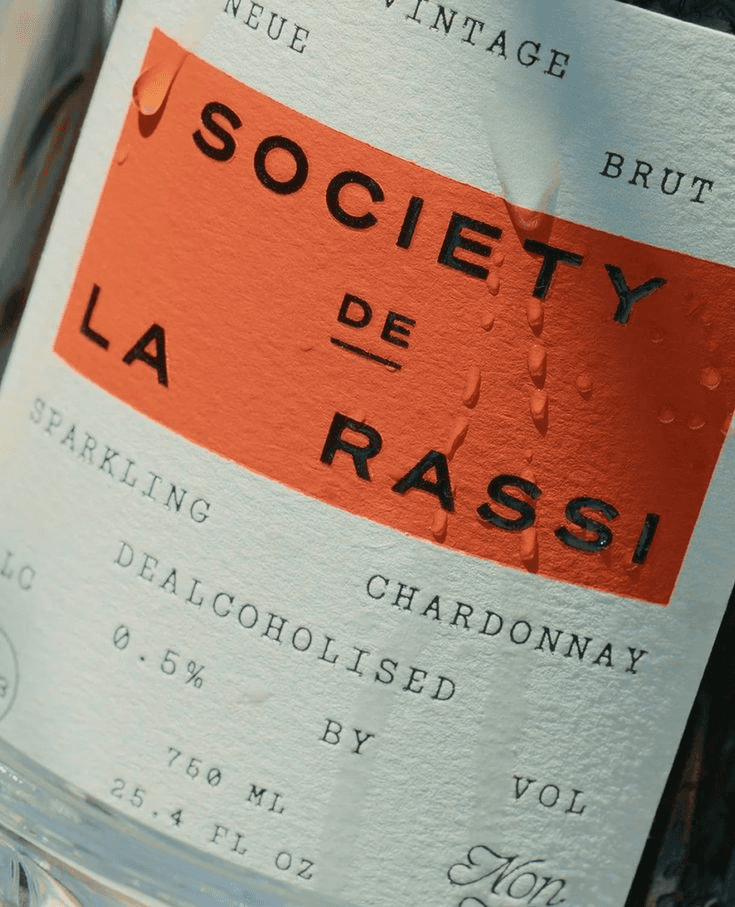
You are standing in front of a shelf with twenty bottles that all seem to be saying different things at once. One has a moody sketch of a wolf. One is covered in gold script. One looks so clean and minimal it could be skincare. If you have ever wondered what makes a good wine label, the answer is not just whether it looks expensive. A good label helps you decide, quickly and confidently, whether the wine is likely to suit your taste.
That sounds simple, but wine labels do a lot of jobs at once. They need to catch your eye, communicate style, signal quality, meet legal requirements and fit the producer’s identity. The best ones make that all feel easy. They do not force you to decode a private club of wine language before dinner.
What makes a good wine label in practice
A good wine label balances two things that do not always sit comfortably together: design and usefulness. If it is beautiful but tells you almost nothing, it may win on the shelf and disappoint in the glass. If it is packed with detail but visually chaotic, most people will not bother reading it.
For everyday wine drinkers, the sweet spot is clarity. You should be able to glance at the bottle and understand the basics without feeling tested. What kind of wine is it? Where is it from? Is it likely to be light and crisp, rich and oaky, juicy and fruity, or dry and savoury? The label does not need to tell your whole evening story, but it should give you enough to make a smart choice.
That is especially true because wine buying often happens in rushed moments. You are in a shop after work. You are scanning a restaurant list while friends are chatting. You are trying to remember whether you liked Rioja or Ribera del Duero last time. In those moments, a good label reduces friction.
The first job of a label is to help you choose
Plenty of labels are memorable. Fewer are genuinely helpful. The difference matters.
A useful label gives you clear signposts. Grape variety is one of the biggest. If a bottle says Sauvignon Blanc, Malbec or Pinot Noir clearly on the front, many drinkers instantly have a starting point. That does not mean regional labels are bad. Wines from places like Chablis, Barolo or Sancerre can be brilliant, but they ask more from the buyer. If you do not already know the region’s style, the label may feel like a quiz.
This is where context matters. For a winery with a long-established appellation identity, leading with place can make sense. For a newer brand trying to connect with broader drinkers, hiding the grape behind tiny print usually does not. What makes a good wine label depends partly on who it is for. If the audience is already confident, subtlety can work. If the audience wants fast reassurance, directness wins.
Vintage also plays a role, though its importance varies. For some buyers, the year matters a lot. For others, it is background detail. The label should not pretend every piece of information matters equally. Good design creates hierarchy. It tells your eye where to look first, second and third.
Design matters, but not in the way people think
A striking label can absolutely make someone pick up a bottle. There is nothing wrong with that. Wine is emotional, social and often bought on instinct. Design is part of the experience.
But attractive does not always mean effective. Some labels are so polished they start to feel generic. Others lean hard into quirky artwork and give you no clue about what is inside. A skull, a fox or a neon block of typography might be fun, but if all the practical information is buried, the design is doing half the job.
The best labels use design to support meaning. Typography, colour, spacing and imagery should hint at the wine’s personality. A pale, airy design might suit a fresh, mineral white. A bolder, more structured look may fit a fuller red. This is not a science, and there are plenty of exceptions, but thoughtful labels create coherence between the bottle’s appearance and the drinking experience.
That coherence builds trust. When the label’s style matches the wine’s style, people feel more confident choosing it again. When the label promises one thing and the wine delivers another, that confidence slips.
Clarity beats cleverness
There is a place for humour and creativity on wine labels. Some of the most recognisable bottles on the shelf stand out because they do not look like traditional wine at all. But cleverness has limits.
If the brand name is impossible to read, if the producer name and wine name are competing for attention, or if the key details are hidden in tiny text, the label is asking too much from the buyer. That can work in a specialist wine shop where staff can guide you. It works less well in a supermarket aisle or a noisy bar.
Legibility is underrated. So is plain language. Terms like dry, crisp, velvety or full-bodied are not simplistic. They are useful. A label does not become more serious by becoming harder to understand.
This is one reason back labels can be so valuable. A good back label adds quick, practical guidance without sounding like a textbook. It might mention flavour notes, suggested food pairings or a short line about the producer’s approach. Done well, it feels like a helpful nudge. Done badly, it becomes a wall of vague marketing language about passion, heritage and sun-drenched hillsides.
Honesty is part of good label design
Wine labels are marketing tools, but the best ones do not overpromise. If a £10 bottle dresses itself up like a rare trophy wine, that may attract attention once. It does not build long-term trust.
Honesty shows up in subtler ways too. If the label signals a fresh, easy-drinking wine, the bottle should deliver that. If it presents itself as traditional and serious, the wine should not feel confected or overly sweet. Expectations matter because taste is personal. People do not just want a good wine. They want a wine that matches the moment and their preferences.
That is why labels should be read as clues, not verdicts. A beautiful traditional label does not guarantee you will love the wine. A playful modern one does not mean it is simple or low quality. The label can guide you, but it cannot replace your own palate.
What makes a good wine label for modern drinkers
For many people, wine is no longer about memorising producer hierarchies or pretending to recognise every region on sight. It is about making better choices more often. A good label supports that shift.
Modern drinkers tend to value three things: speed, relevance and confidence. They want to spot the style quickly, understand whether it suits the meal or occasion, and feel sure they are not making a random pick. Labels that help with those goals are more useful than labels that simply look prestigious.
This is also why bottle recognition has become such a practical part of wine discovery. Sometimes the label catches your attention, but you still need backup. You want to know whether that bottle aligns with wines you have actually enjoyed before. You might remember loving a juicy Beaujolais or a textured Chenin Blanc, but not the producer name. In that moment, the label is your entry point, not the whole answer.
A smart wine experience starts with what is on the bottle, then goes further. That is where tools like Swirl can turn a good-looking label into a genuinely informed decision by helping you identify the wine, compare it to your own preferences and remember whether this style really suits you.
Good labels respect both beginners and enthusiasts
One of the worst habits in wine is assuming that accessibility means dumbing things down. It does not. A good wine label can be clear enough for someone buying their third bottle of the month and still interesting enough for someone building a serious cellar.
The trick is layering. The front label should offer immediate orientation. The back label can add more detail. The producer can express personality without sacrificing readability. Beginners get confidence. Enthusiasts get substance.
That balance is harder than it looks. Too much simplification can make all bottles feel interchangeable. Too much insider language can make people feel shut out. The labels that work best invite people in rather than testing whether they deserve to be there.
The bottle should make sense before you scan it
If you strip it right back, what makes a good wine label is simple. It should be easy to notice, easy to read and easy to trust. It should tell you enough about the wine to make a decision without pretending it can tell you everything.
The best label is not always the loudest or the most luxurious-looking. It is the one that helps you feel, in a few seconds, that you know what you are picking up and why. And when wine already gives people plenty to think about, that kind of clarity is not a small detail. It is the difference between guessing and choosing.

Head Sommelier
Marcus is our Head Sommelier with experience in highly regarded places including 1, 2 and 3-Michelin-starred restaurants. With over 10 years of experience, he's passionate about helping people having unforgettable wine experiences.
Go to all articles