What are the most common wine grapes? A simple guide
Cabernet Sauvignon, Merlot, Pinot Noir, Syrah, Chardonnay, Sauvignon Blanc, Riesling. What each tastes like in one line, plus where to start.
 Reviewed by Marcus Henningsson, Head Sommelier
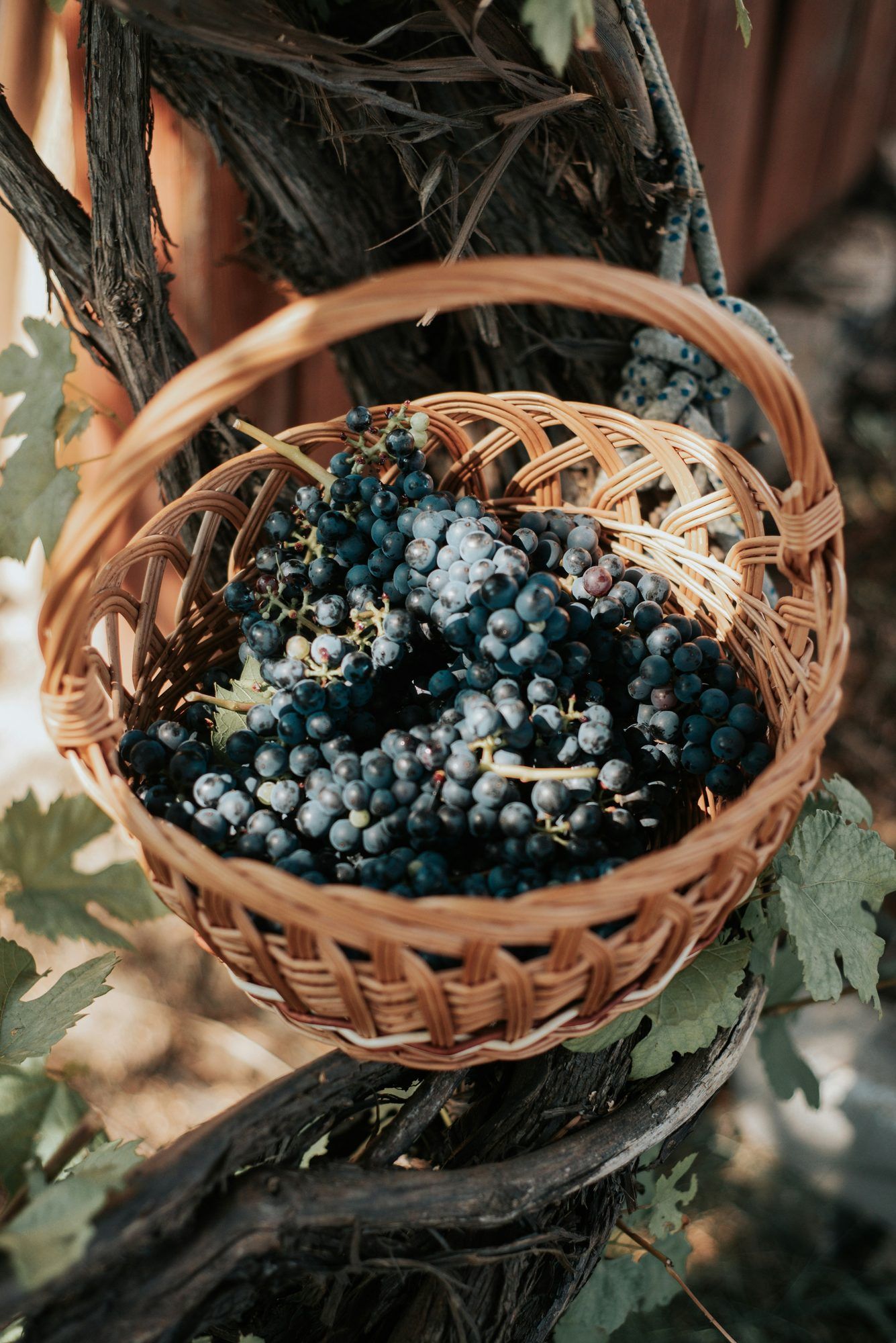
Whether you're new to wine or looking to deepen your knowledge, understanding the most popular wine grapes is a great place to start. Each grape variety has its own distinct color, flavor profile, growing regions, and styles. Below is a list of the most common wine grapes—red and white—with key details and flavor notes to help guide your next wine discovery.
Pinot Noir
- Type: Red
- Primary regions: Burgundy (France), Oregon (USA), New Zealand, Germany
- Color: Pale ruby
- Primary flavors: Cherry, raspberry, rose petal, mushroom, forest floor
Pinot Noir is loved for its elegance and complexity. It’s a delicate grape that thrives in cooler climates and is notoriously hard to grow. Known for its silky texture and lighter body, Pinot Noir delivers bright red fruit flavors layered with earthy undertones, making it a go-to for food pairings and refined palates.
Merlot
- Type: Red
- Primary regions: Bordeaux (France), California (USA), Chile, Italy
- Color: Deep ruby
- Primary flavors: Plum, black cherry, chocolate, herbal, vanilla
Merlot is a plush, approachable red wine grape known for its soft tannins and smooth finish. It’s often blended with Cabernet Sauvignon in Bordeaux but also shines on its own. Its fruit-forward nature and versatility make it a favorite for both casual drinkers and collectors alike.
Syrah / Shiraz
- Type: Red
- Primary regions: Rhône Valley (France), Barossa Valley (Australia), South Africa
- Color: Deep purple
- Primary flavors: Blackberry, blueberry, black pepper, smoked meat, violet
Known as Syrah in France and Shiraz in Australia, this grape makes bold, full-bodied wines with dark fruit, spice, and savory complexity. In cooler climates, it leans more herbal and peppery; in warmer regions, it becomes richer and more jammy.
Chardonnay
- Type: White
- Primary regions: Burgundy (France), California (USA), Australia, Chile
- Color: Pale gold to straw
- Primary flavors: Apple, pear, citrus, butter, vanilla, hazelnut
Chardonnay is one of the most versatile white grapes, capable of producing crisp, mineral-driven wines as well as rich, buttery styles, depending on climate and oak aging. It’s also the base for many sparkling wines, including Champagne. Whether you prefer bright and lean or creamy and oaked, there’s a Chardonnay for you.
Sauvignon Blanc
- Type: White
- Primary regions: Loire Valley (France), Marlborough (New Zealand), California, South Africa
- Color: Pale straw to light green
- Primary flavors: Lime, green apple, gooseberry, grass, passionfruit
Sauvignon Blanc is known for its zesty acidity and vibrant aromatics. Wines made from this grape are typically dry, refreshing, and expressive. In France, it can show more minerality, while in New Zealand it bursts with tropical fruit and citrus.
Riesling
- Type: White
- Primary regions: Germany, Alsace (France), Australia, Washington State (USA)
- Color: Pale straw
- Primary flavors: Lime, peach, green apple, honeysuckle, petrol
Riesling is highly aromatic and ranges from bone-dry to lusciously sweet. It thrives in cooler climates, where its high acidity and floral, fruity notes shine. Over time, aged Rieslings can develop unique petrol-like aromas prized by enthusiasts.
Tempranillo
- Type: Red
- Primary regions: Spain (Rioja, Ribera del Duero), Portugal
- Color: Deep ruby
- Primary flavors: Cherry, dried fig, leather, cedar, tobacco
Tempranillo is the backbone of many Spanish red wines. It produces medium- to full-bodied wines with moderate acidity and tannins, often aged in oak for additional complexity. You’ll find both youthful and elegantly aged expressions of this versatile grape.
Malbec
- Type: Red
- Primary regions: Argentina (Mendoza), Cahors (France)
- Color: Deep purple
- Primary flavors: Blackberry, plum, cocoa, tobacco, violet
Once a blending grape in Bordeaux, Malbec has found its fame in Argentina. Known for its rich color, plush fruit, and smooth tannins, it’s a bold red that offers incredible value and crowd-pleasing flavor.
Cabernet Sauvignon
- Type: Red
- Primary regions: Bordeaux (France), Napa Valley (USA), Coonawarra (Australia), Chile
- Color: Deep ruby to purple
- Primary flavors: Blackcurrant, black cherry, cedar, tobacco, green pepper
Cabernet Sauvignon is one of the most widely planted and recognized red grapes in the world. Known for its bold structure, firm tannins, and excellent aging potential, it produces full-bodied wines often aged in oak. In warmer climates like Napa, it leans toward ripe fruit and vanilla notes; in cooler regions like Bordeaux, expect more herbal and earthy tones.
The Swirl perspective: Explore wine grapes your way
At Swirl, we make discovering new wine grapes easy. Whether you're into fruit-forward reds or crisp, zesty whites, our app helps you explore wines by grape variety, region, and flavor profile—all based on your personal taste. With Swirl, you don’t just drink wine—you understand it.
Frequently asked questions
What are the most common wine grapes?
Some of the most common wine grapes are the reds Pinot Noir, Merlot, Syrah (or Shiraz), Tempranillo, Malbec and Cabernet Sauvignon, and the whites Chardonnay, Sauvignon Blanc and Riesling. Each has its own colour, flavour profile, growing regions and styles, from silky, lighter Pinot Noir to bold, firmly tannic Cabernet Sauvignon.
What are the main characteristics of Pinot Noir?
Pinot Noir tastes of bright red fruit like cherry and raspberry, with rose petal and earthy notes of mushroom and forest floor. It is pale ruby, silky and lighter bodied, loved for its elegance and complexity. A delicate grape that thrives in cooler climates, it grows in Burgundy, Oregon, New Zealand and Germany.
Is Syrah the same grape as Shiraz?
Yes, Syrah and Shiraz are the same grape. It is called Syrah in France and Shiraz in Australia, and makes bold, full-bodied wines with blackberry, blueberry, black pepper, smoked meat and violet. In cooler climates it leans more herbal and peppery, while in warmer regions it becomes richer and more jammy.
Why does Riesling sometimes smell like petrol?
Petrol-like aromas develop in Riesling as it ages, and aged Rieslings with this character are prized by enthusiasts. Riesling is a highly aromatic white grape that ranges from bone-dry to lusciously sweet, with notes of lime, peach, green apple and honeysuckle. It thrives in cooler climates, where its high acidity shines.

Article reviewed by
Marcus Henningsson
Head Sommelier
Marcus is our Head Sommelier with experience in highly regarded places including 1, 2 and 3-Michelin-starred restaurants. With over 10 years of experience, he's passionate about helping people having unforgettable wine experiences.