Article
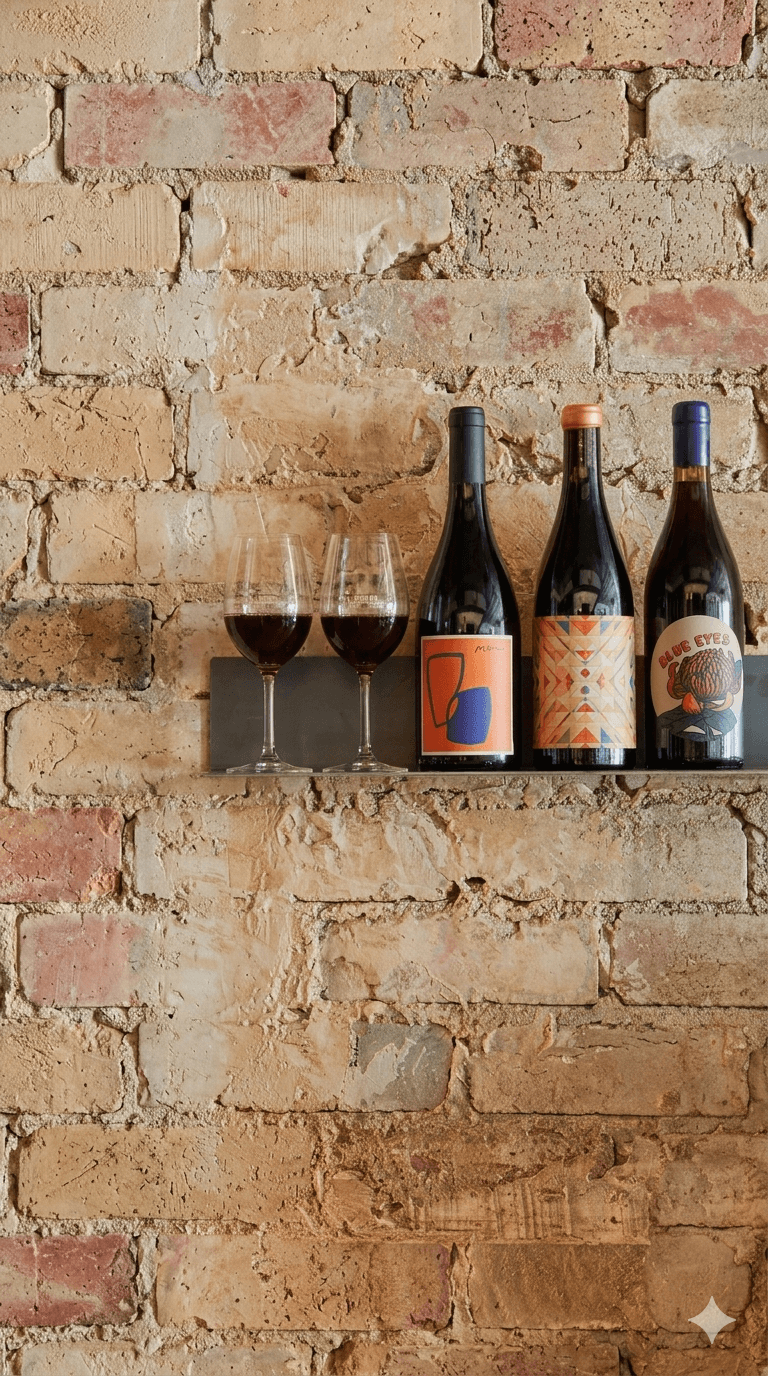
You know the moment. You are standing in front of a wall of bottles, reading the back labels like they might suddenly become clearer, trying to remember whether you liked that Chilean red last month or if it was the Italian one. A wine taste profile app changes that moment. Instead of guessing, following shelf talkers, or picking the label you have seen before, you get guidance based on your own palate.
That is the real shift. Wine stops being a test of memory or confidence and starts becoming something much more useful - personal. If you know what you actually enjoy, choosing a bottle gets easier at the supermarket, on a restaurant list, and even when a friend asks you to bring something for dinner.
What a wine taste profile app actually does
At its best, a wine taste profile app is part memory, part recommendation engine, and part quiet confidence boost. It helps you keep track of what you drink, what you rate highly, and the patterns behind those choices. Over time, the app starts to understand whether you lean towards lighter, fruit-forward reds, crisp whites with high acidity, or richer styles with oak and texture.
That sounds simple, but it solves a surprisingly common problem. Most people can say they like red, white, or sparkling. Far fewer can explain why they loved one Rioja and found another one too heavy, or why one Sauvignon Blanc felt fresh while another tasted too sharp. A good app turns those fuzzy impressions into something more practical.
The strongest apps usually combine a few things: bottle recognition through label scanning or search, tasting notes you can actually understand, personal ratings, and recommendations that respond to your behaviour rather than a crowd score. That last point matters more than it might seem.
Why general ratings are not enough
Crowd ratings are fine if all you want is reassurance that a wine is broadly liked. They are much less useful if you want to know whether you will like it. A bottle can have an impressive average score and still be completely wrong for your taste.
This is where a wine taste profile app earns its place. It is built around your preferences, not everyone else’s. If you tend to enjoy soft tannins, juicy fruit, and medium body, then a heavily structured, oak-driven red with a famous name may still disappoint you. The issue is not quality. It is fit.
That distinction helps take the pressure out of wine. You do not need to chase prestige, memorise regions, or order the bottle someone else says is best. You need a better way to recognise your own patterns. Once you have that, wine becomes less about getting it right in public and more about getting it right for yourself.
The best wine taste profile app for everyday decisions
The most useful app is not the one with the longest glossary or the most dramatic tasting language. It is the one you will actually use when the decision matters. That means it should be quick, clear, and helpful in real situations.
In a shop, speed matters. You want to scan a label or search a bottle and understand within seconds whether it suits your palate, your budget, and maybe the meal you are planning. In a restaurant, simplicity matters. Nobody wants to scroll through endless data while a table waits. At home, memory matters. You want to remember what you opened last Friday and whether it is worth buying again.
That is why the strongest experience tends to be practical rather than performative. Good design, easy logging, straightforward flavour cues, and recommendations that improve with use often matter more than having every possible technical detail.
There is a trade-off here, though. Some wine apps are better for deep education, while others are better for fast decision-making. If you are studying wine formally, you may want more theory. If you are trying to buy a bottle on the way to dinner, utility wins.
How personal taste profiling makes wine easier
A personal taste profile works because wine preference is rarely random. Even if you feel inconsistent, there are usually repeat signals in what you enjoy. You may like high-acid whites, avoid jammy reds, prefer dry rosé, or enjoy sparkling wines with citrus over brioche notes. Most people are building a pattern whether they realise it or not.
An app helps by capturing those signals before they disappear. One good bottle can be easy to remember for a week. After six months, most people recall the occasion, not the name. That is where private tasting logs become so useful. You are not relying on memory, and you are not trying to decode your own past shopping habits.
Over time, the app can start to make recommendations with more accuracy. That does not mean every suggestion will be perfect. Taste depends on mood, season, food, and setting too. The wine you want on a rainy Tuesday is not always the same one you want for a celebratory dinner. But a profile still gives you a far better starting point than a generic best-sellers list.
What to look for in a wine taste profile app
If you are choosing one, focus less on hype and more on what will help you build a habit. A useful app should make it easy to identify a bottle, save it, rate it, and understand why it worked for you. If those steps feel clunky, most people stop using it.
Personalised recommendations should also feel genuinely personal. That means the app should respond to your own ratings and tasting history, not just serve up popular wines dressed up as tailored picks. If every recommendation looks like a list of universally liked bottles, that is not really profiling. It is marketing.
Food pairing support is another feature that helps in real life. Not because every Tuesday supper needs a grand matching exercise, but because people often buy wine around meals. If an app can tell you that your preferred style works well with roast chicken, mushroom pasta, or grilled salmon, that is immediately useful.
Organisation matters too. If you like to keep notes, save favourites, or track bottles for future occasions, the app should make that feel easy rather than administrative. The point is not to create homework. The point is to build a wine memory you can rely on.
Who benefits most from using one
Beginners often benefit first, because they have the most friction to remove. If you feel overwhelmed by labels, regions, and restaurant lists, an app can narrow the field quickly and help you move past the basic red-or-white question.
Casual drinkers also get a lot from it, especially if they know they like wine but keep forgetting what to buy. This is probably the most common use case. You want to stop repeating bad guesses and start repeating good choices.
More experienced drinkers can still find value, particularly if they want better organisation or more consistent recommendations. A good app does not replace knowledge. It supports it. If you already know a fair amount about wine, profiling can save time and sharpen your buying decisions.
That said, if someone enjoys the ritual of wandering a wine shop with no plan and choosing purely by instinct, they may need less from an app. Not every drinker wants structure. But for anyone who has ever said, “I know what I do not like, I just cannot describe what I do like,” the value is obvious.
A smarter way to buy wine you will actually enjoy
The real promise of a wine taste profile app is not that it turns you into an expert overnight. It is that it helps you make better choices, more often, with less second-guessing. That is a much more practical goal, and for most people, much more valuable.
When an app combines label scanning, private tasting logs, clear wine information, and recommendations built around your palate, wine starts to feel less random. You are no longer borrowing somebody else’s opinion and hoping it applies to you. You are building your own track record.
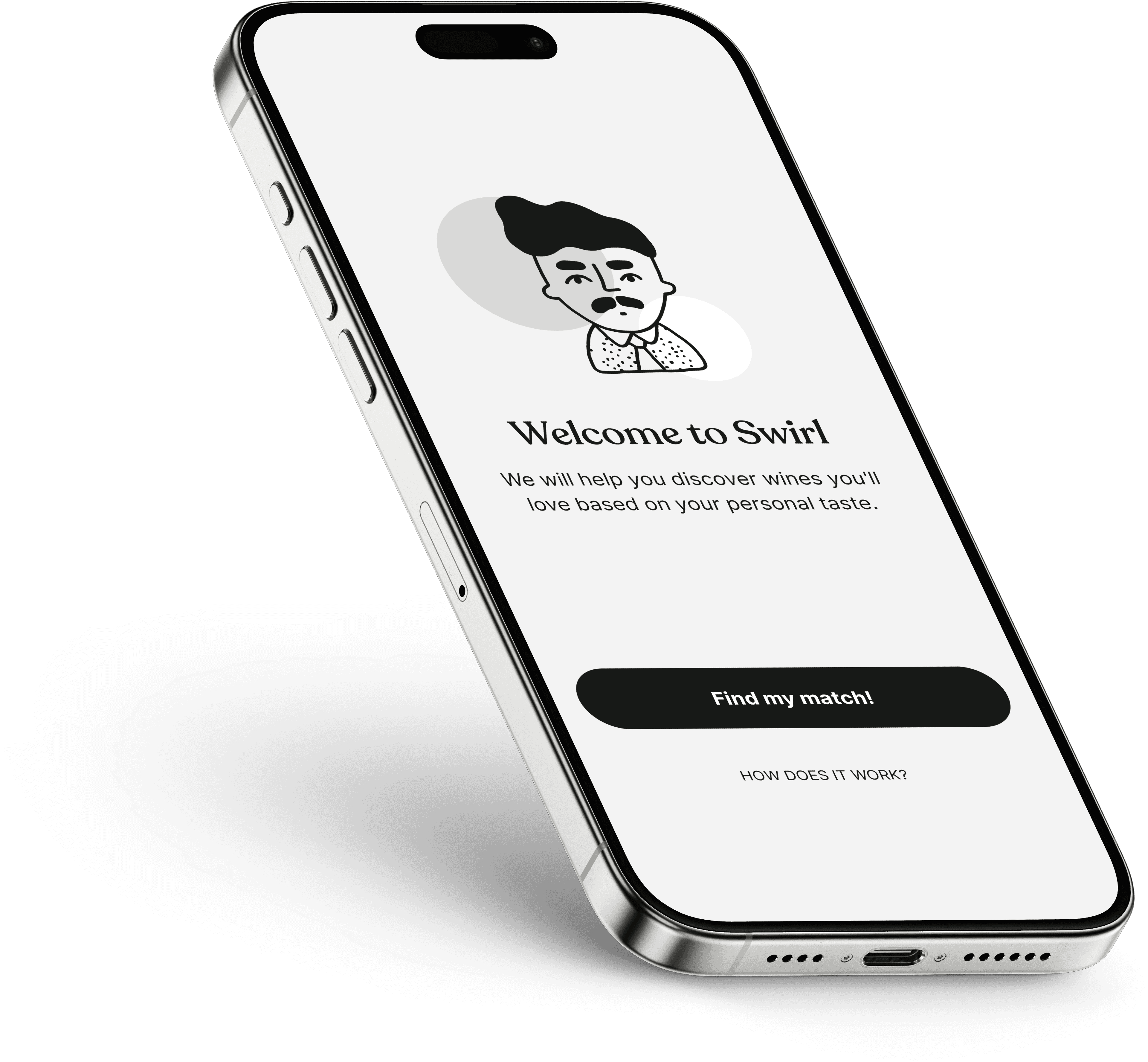
That is why tools like Swirl resonate with modern wine drinkers. They fit into the actual moments when people need help, and they replace vague preference with something more useful - confidence.
The best bottle is not the one with the loudest reputation. It is the one you are glad you chose, and the one you can find again when you want that feeling back.

Head Sommelier
Marcus is our Head Sommelier with experience in highly regarded places including 1, 2 and 3-Michelin-starred restaurants. With over 10 years of experience, he's passionate about helping people having unforgettable wine experiences.
Go to all articles