Article
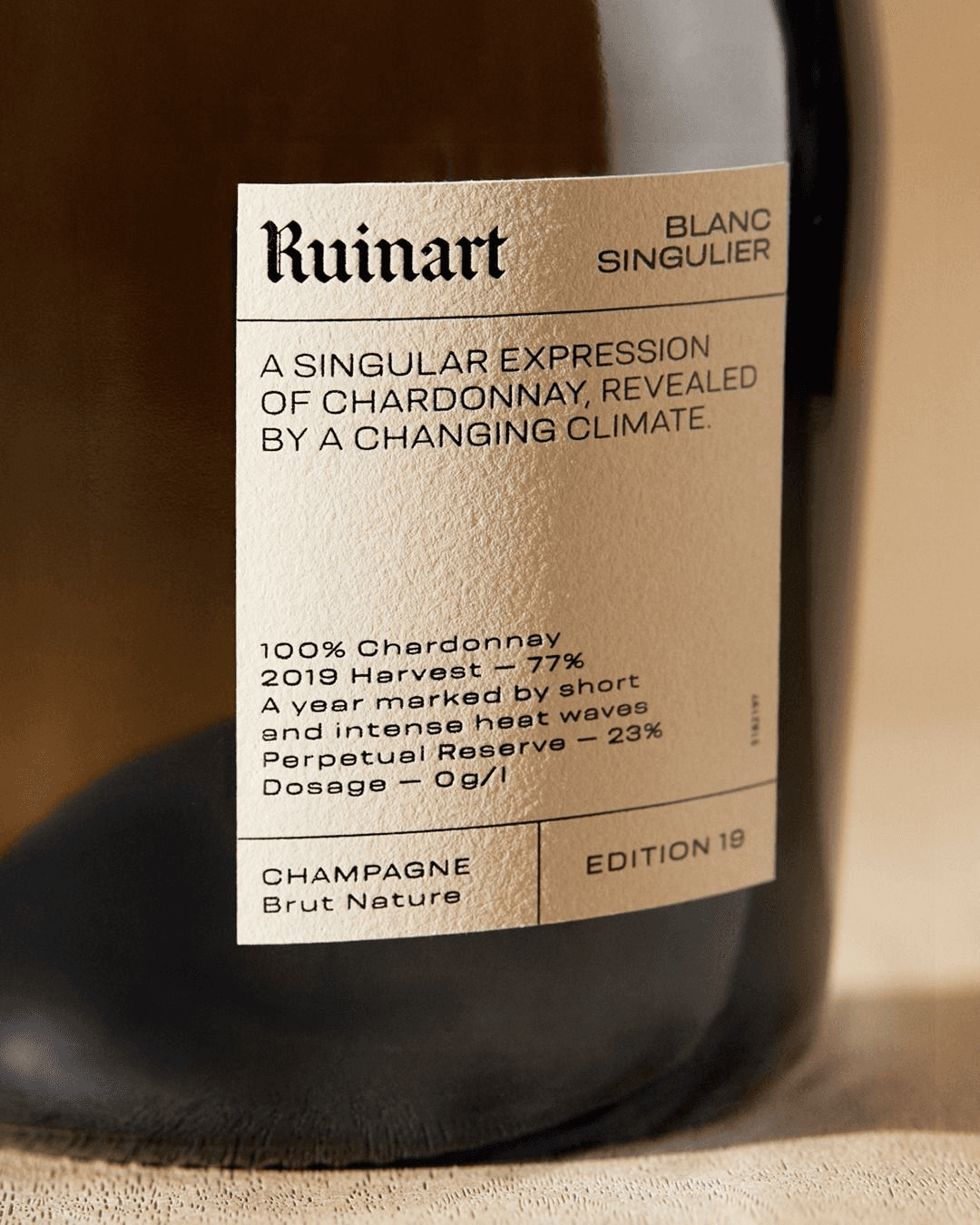
You are standing in front of a shelf of bottles that all look vaguely convincing, and one label says Rioja, another says Tempranillo, another says Reserva, and suddenly choosing wine feels harder than it should. That is exactly why wine labels explained in plain English can be so useful - not to turn you into a wine expert overnight, but to help you spot the clues that actually matter when you are buying.
The good news is that most wine labels are not trying to confuse you. They are just built around a mix of legal rules, tradition and marketing, which means the information is often there, just not in the order most people would naturally look for it. Once you know what each part is trying to tell you, the label becomes less of a puzzle and more of a shortcut.
Wine labels explained: what to look at first
If you only have ten seconds in a shop or while scanning a wine list, do not try to read every line. Start with four things: the producer, the region, the grape if it is listed, and the vintage.
The producer tells you who made the wine. That might sound obvious, but it matters because some producers aim for a bright, easy-drinking style, while others make wines that are more savoury, structured or age-worthy. If you have liked a bottle before, the producer name can be one of the quickest ways to find your way back to something similar.
The region tells you where the grapes were grown, and this often gives a strong hint about style. A Sauvignon Blanc from Marlborough is likely to taste very different from one from the Loire. A Pinot Noir from Burgundy will not behave the same way as one from California or Central Otago. Place shapes flavour.
The grape, when shown, is often the easiest clue for newer drinkers because it connects directly to taste expectations. Chardonnay, Malbec, Riesling and Syrah all carry rough flavour and texture signals. But this is where labels can get tricky, because not every country puts the grape front and centre.
The vintage is the year the grapes were harvested. Sometimes this matters a lot, especially in regions where weather varies sharply from year to year. In other cases, particularly with larger brands aiming for consistency, it matters less than people think.
Why some labels show grapes and others show places
One of the biggest sticking points in wine labels explained is this: some bottles are labelled by grape, others by region. Neither approach is better. They simply reflect different traditions.
In many New World wine regions, labels often lead with the grape variety. You will see Shiraz, Chardonnay or Cabernet Sauvignon in large print, which makes shopping feel straightforward. That is useful if you know the styles you already enjoy.
In many classic European regions, the region name does the heavy lifting instead. The label may say Chablis, Barolo or Sancerre without clearly stating Chardonnay, Nebbiolo or Sauvignon Blanc. The assumption is that the buyer knows which grape is typical there. If you do not, that can feel needlessly cryptic, but there is logic behind it. These wines are often defined as much by place and tradition as by grape variety.
This is where confidence matters more than memorising everything. You do not need to learn every appellation. You only need to notice patterns. If you enjoyed Chablis once, make a note that it is Chardonnay in a leaner, fresher style. That memory becomes far more useful than a random average score from strangers.
The terms that sound impressive but need context
A lot of label language is designed to signal quality, heritage or style. Some of it is legally meaningful. Some of it is mostly branding.
Words like Reserva, Riserva, Classico or Grand Cru can matter, but only within the context of a specific region. Reserva in Rioja usually points to a certain ageing standard. Classico in Chianti refers to the historic core zone. Grand Cru in Burgundy has a different weight from grand vin on a French label, which may simply be a house phrase.
That is the trade-off with wine terminology. A prestigious-sounding word is not automatically a guarantee that you will enjoy the bottle. It may indicate more oak, more age, more concentration or stricter production rules. Whether that equals better depends on your taste. Someone who loves juicy, fruit-forward reds may not prefer a more mature, structured wine just because the label sounds serious.
The same goes for words such as old vines, estate bottled, hand harvested or limited release. These can suggest care and style, but they are not magic. Old vines may produce more concentrated fruit, but the wine still has to be made well. Hand harvested sounds artisanal, yet it tells you very little about whether the final wine suits your palate.
Alcohol, sweetness and body: the hints people miss
One of the most useful parts of wine labels is often one of the least glamorous: the alcohol by volume, or ABV. It is not a perfect guide, but it can tell you quite a lot.
A Riesling at 8.5 per cent ABV is likely to have some sweetness. A Zinfandel at 15 per cent is probably going to feel ripe, bold and full-bodied. A Pinot Noir at 12.5 per cent may lean lighter and fresher than one at 14.5 per cent. There are exceptions, of course, but ABV can offer a quick reality check when the front label is all elegant fonts and vague promises.
Sweetness terms also vary. On some labels you will see dry, off-dry or medium. On many you will not. That is frustrating, especially if you have ever bought a bottle expecting crisp and fresh only to find it much sweeter than planned. In those moments, region, grape and ABV together can be more helpful than the label copy.
Body is even harder to read directly because few producers print it on the bottle. Instead, you infer it from grape, climate, ABV and sometimes oak ageing. This is why tracking what you actually liked matters so much. The label gives clues, but your own taste history gives context.
What the back label is really for
The front label gets attention, but the back label is often where the plain-speaking lives. It may tell you about flavour notes, suggested food pairings, serving ideas or whether the wine spent time in oak.
Still, back labels can be hit or miss. Some are genuinely helpful and specific. Others drift into soft-focus language about sun-drenched hillsides and generations of passion. If a back label tells you the wine has notes of black cherry, pepper and smoke, that is more useful than a romantic paragraph about family legacy.
Food pairing notes can also be handy, as long as you treat them as guidance rather than law. A wine suggested for roast lamb might also work beautifully with mushrooms or hard cheese. Pairing is less about strict rules and more about getting in the right neighbourhood.
Wine labels explained for sparkling, rosé and blends
Sparkling wine labels come with their own language. Terms such as Brut, Extra Dry and Demi-Sec refer to sweetness levels, but confusingly, Extra Dry is usually slightly sweeter than Brut. If you like crisp, sharp sparkling wine, Brut is often the safer bet.
For rosé, colour can influence expectations, but it is not the whole story. A pale rosé may be delicate and dry, though not always. A darker rosé can be fuller and fruitier, but again, not always. The grape varieties and region usually tell you more than the shade alone.
Blends are where labels can either help or obscure. Some bottles list the grapes, others do not. When they do, the order usually reflects dominance in the blend, though regulations differ. A GSM blend, for example, generally means Grenache, Syrah and Mourvèdre, which points towards a warm, spicy, rounded red style. Once you recognise a few common blend names or regional patterns, shelves become much easier to read.
How to use label information without overthinking it
The smartest way to read a wine label is not to treat it like an exam. Use it to answer one practical question: will this bottle suit the moment and my taste?
If you want something fresh for a midweek dinner, a cool-climate Sauvignon Blanc or Picpoul with moderate alcohol might fit better than a rich oaked white. If you are after a smooth red for pizza, a juicy Nero d'Avola may do the job better than a heavily tannic young Bordeaux. Labels help you narrow the field, not find a universally perfect bottle.
It also helps to build your own reference points. When you drink a bottle you enjoy, remember the grape, region, producer and vintage if possible. Over time, those details become much more valuable than generic star ratings because they are attached to your preferences, not somebody else's.
That is where a tool like Swirl can make wine shopping feel far less random. Instead of trying to decode every bottle from scratch, you can scan a label, understand what is in front of you and connect it back to what you already know you like.
The point of learning labels is not to impress anyone at dinner. It is to make better choices with less second-guessing, whether you are staring at a supermarket shelf, ordering in a restaurant or picking a bottle for friends. The more you read labels through the lens of your own taste, the less wine feels like a test and the more it feels like yours.

Head Sommelier
Marcus is our Head Sommelier with experience in highly regarded places including 1, 2 and 3-Michelin-starred restaurants. With over 10 years of experience, he's passionate about helping people having unforgettable wine experiences.
Go to all articles