Article
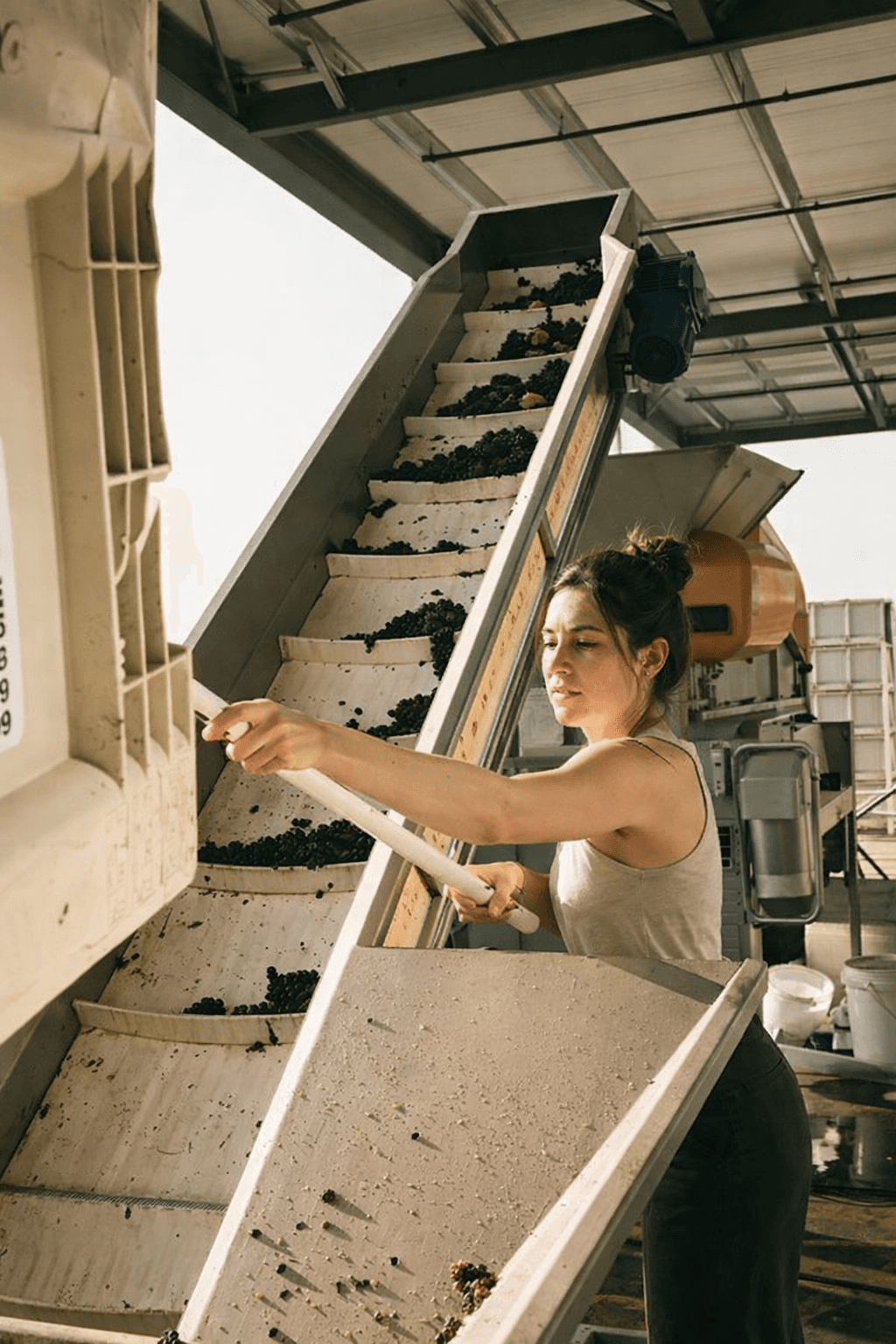
If you’ve ever wondered why two wines made from the same grape can taste completely different, the answer often lies in how the wine is made.
Winemaking is not just a process, it’s a series of decisions. From fermentation to ageing, every step influences the final flavour, texture, and structure of the wine in your glass.
Understanding these techniques is one of the fastest ways to improve how you choose wine with confidence and recognise what you actually enjoy.
Why winemaking techniques matter more than you think
Most people focus on grape or region when choosing wine. But in reality: Winemaking techniques can completely transform a wine’s character. The same grape can be:
light or bold
fresh or rich
smooth or structured
That’s why learning a few key techniques can help you go from guessing to choosing intentionally. If you’re new to this, start with our wine for beginners guide to understand the basics.
Fermentation: where everything begins
Fermentation is the foundation of all wine. This is where yeast converts sugar into alcohol, but it also creates hundreds of flavour compounds.
Key variations:
Whole cluster fermentation
Fermenting grapes with stems can add structure and herbal complexity.Cold soak
Extracts colour and flavour before fermentation begins.Carbonic maceration
Creates light, fruity wines with bright, juicy flavours (often seen in Beaujolais-style wines).
👉 Learn more in what is wine fermentation and how it works
Extraction techniques: shaping structure and intensity
During fermentation, winemakers control how much colour, tannin, and flavour is extracted from the grape skins.
Common techniques:
Punch down (pigeage)
Submerging grape skins to extract deeper colour and structurePump over (remontage)
Circulating juice over the skins to enhance flavourExtended maceration
Leaving skins in contact longer for more intensity
These techniques are especially important in red wines and directly affect tannins and body. See how this connects in wine characteristics and how to identify them
Yeast: natural vs controlled fermentation
Yeast plays a major role in how a wine develops.
Wild (native) yeast
Less predictable, often more complex and expressiveCultured (lab-grown) yeast
More consistent, controlled, and reliable
This is a key difference between many natural wines and commercial styles.
Ageing: where flavour evolves
After fermentation, many wines are aged to develop complexity.
Stainless steel
Preserves freshness and fruit
Common in crisp whites
Oak barrels
Adds vanilla, spice, toast
Increases texture and depth
New vs old oak
New oak = stronger flavour impact
Old oak = softer influence
👉 Learn more in decanting and letting wine breathe (and how structure evolves)
Lees ageing: adding texture and depth
Lees are dead yeast cells left after fermentation. Leaving wine on lees can:
add creaminess
bring nutty or brioche notes
enhance texture
This technique is common in wines like Champagne and some Chardonnay styles.
Oxygen: controlled exposure
Oxygen is carefully managed in winemaking.
Micro-oxygenation
Softens tannins and stabilises colourMinimal oxygen (reductive style)
Preserves freshness and sharp aromas
Too much oxygen can spoil wine, but controlled exposure can improve balance.
Filtration: clarity vs character
Before bottling, many wines are filtered.
Filtered wines
Clear, stable, polishedUnfiltered wines
Can appear cloudy but often have more texture and character
This is why some wines look slightly foggy. Learn more in clear vs foggy wine: what it really means
Natural vs modern winemaking
Modern winemaking often focuses on:
precision
consistency
clean profiles
Natural winemaking tends to embrace:
minimal intervention
wild fermentation
less filtration
This can lead to more unusual flavours, including slightly funky or even vinegar-like notes. Read more in why natural wines can taste like vinegar
Why this matters when choosing wine
All of these techniques shape:
flavour
texture
intensity
ageing potential
So instead of asking: “Is this wine good?”. Start asking: “How was this wine made and do I like that style?”
Make it practical: choosing wine in real life
Let’s say you’re in a store. Two wines:
Same grape
Same price
Same region
But: One is aged in oak & the other one is fermented in stainless steel. They will taste completely different. Understanding this is what turns wine from confusing to intuitive.
Make it even easier with Swirl
You don’t need to memorise all of this. With Swirl, you can:
scan any wine label
instantly see flavour profile and structure
understand how it was made
see if it matches your taste
👉 Open Swirl next time you’re choosing a wine and skip the guesswork.
Connecting winemaking to your taste
The more you explore, the more patterns you’ll notice:
Like fresh, crisp wines? → stainless steel, high acidity
Prefer rich, smooth wines? → oak ageing, softer tannins
Enjoy funky, complex wines? → natural fermentation
This is how you move from: random choices to confident decisions
Final thoughts
Winemaking is where wine becomes wine. It’s not just about grapes, it’s about decisions, techniques, and style. Once you start recognising these patterns, labels make more sense, flavours become clearer, and choosing wine becomes much easier.
Ready to choose wine with confidence?
You don’t need to learn everything. You just need to understand your taste and connect it to what’s in the bottle. Swirl helps you do exactly that.
Scan any bottle
Discover how it’s made
Understand its flavour
Find wines you’ll actually enjoy

Head Sommelier
Marcus is our Head Sommelier with experience in highly regarded places including 1, 2 and 3-Michelin-starred restaurants. With over 10 years of experience, he's passionate about helping people having unforgettable wine experiences.
Go to all articles