How to decant wine properly: when and why to let wine breathe
Young tannic reds benefit from an hour. Old reds need decanting off sediment, then drinking. Most whites need neither. Here's the practical rule.
 Reviewed by Marcus Henningsson, Head Sommelier
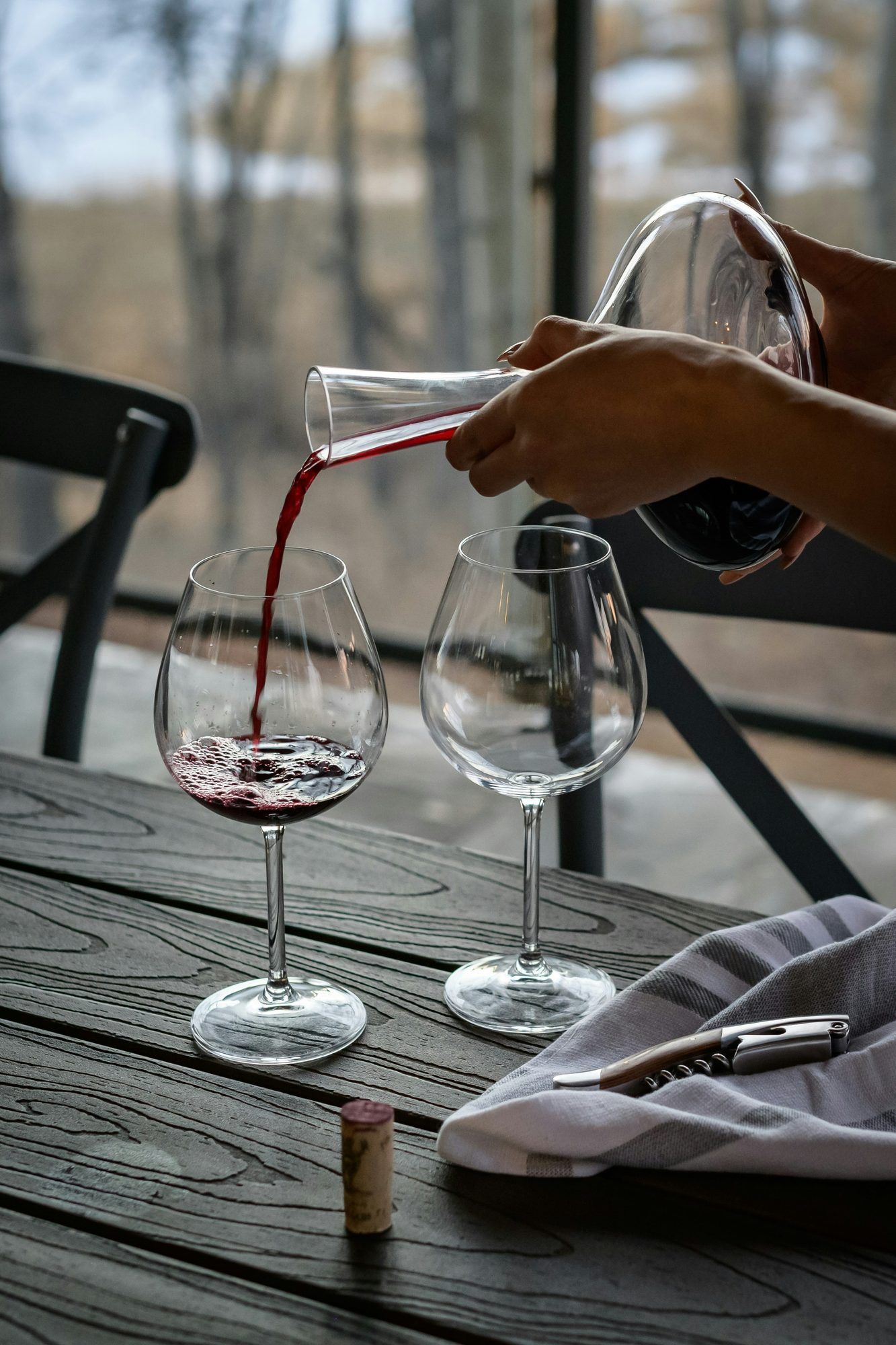
Decanting wine is an essential step for improving its taste, aroma, and texture. Whether you’re drinking a bold red or an aged vintage, knowing when and how to decant can elevate your wine experience.
Why decant wine?
- Aeration: Exposing wine to oxygen softens tannins and enhances aromas.
- Sediment removal: Older wines develop sediment, which decanting helps separate.
- Flavor development: Some wines open up over time, revealing more complexity.
When to decant wine
- Young, tannic reds (Cabernet Sauvignon, Syrah, Nebbiolo): 30-60 minutes to soften structure.
- Aged reds (Bordeaux, Barolo): Decant gently to remove sediment without overexposing to oxygen.
- Bold whites (oaked Chardonnay, Viognier): 15-30 minutes can help enhance flavors.
- Natural wines: Short decanting removes reduction aromas.
How to decant wine properly
- Pour slowly into a decanter, avoiding sediment from the bottle.
- Let it sit for the recommended time before serving.
- Swirl and taste to see how it evolves.
When not to decant wine
While decanting improves many wines, some wines don’t need it and can even lose their best qualities if exposed to too much air.
- Delicate, older wines, especially those over 15-20 years old, can break down quickly once exposed to oxygen. If the wine is fragile, decanting can strip away its subtle nuances instead of enhancing them.
- Light-bodied reds, such as Pinot Noir or Gamay, and most crisp white wines like Sauvignon Blanc and Albariño generally don’t benefit from decanting, as they are already fresh and expressive straight from the bottle.
- Additionally, sparkling wines should not be decanted, as they will lose their bubbles and vibrant character.
Frequently asked questions
Which wines should be decanted?
Young, tannic reds such as Cabernet Sauvignon, Syrah and Nebbiolo benefit from 30 to 60 minutes to soften their structure. Aged reds like Bordeaux and Barolo should be decanted gently to remove sediment. Bold whites such as oaked Chardonnay and Viognier can gain from 15 to 30 minutes, and natural wines from a short decant.
Why do people decant wine?
Decanting does three main jobs. It exposes wine to oxygen, which softens tannins and enhances aromas. It separates older wines from the sediment that develops over time. And it lets some wines open up, revealing more complexity. Short decanting can also help natural wines by removing reduction aromas.
Which wines should not be decanted?
Delicate older wines, especially those over 15 to 20 years old, can break down quickly in air and lose their subtle nuances. Light-bodied reds like Pinot Noir and Gamay and most crisp whites like Sauvignon Blanc and Albariño are already expressive from the bottle. Sparkling wines should not be decanted, as they lose their bubbles.
How do you decant wine properly?
Pour the wine slowly into a decanter, taking care to leave any sediment behind in the bottle. Let it sit for the recommended time for its style, then swirl and taste to see how it has evolved. With older reds, decant gently so you remove sediment without overexposing the wine to oxygen.

Article reviewed by
Marcus Henningsson
Head Sommelier
Marcus is our Head Sommelier with experience in highly regarded places including 1, 2 and 3-Michelin-starred restaurants. With over 10 years of experience, he's passionate about helping people having unforgettable wine experiences.