Article
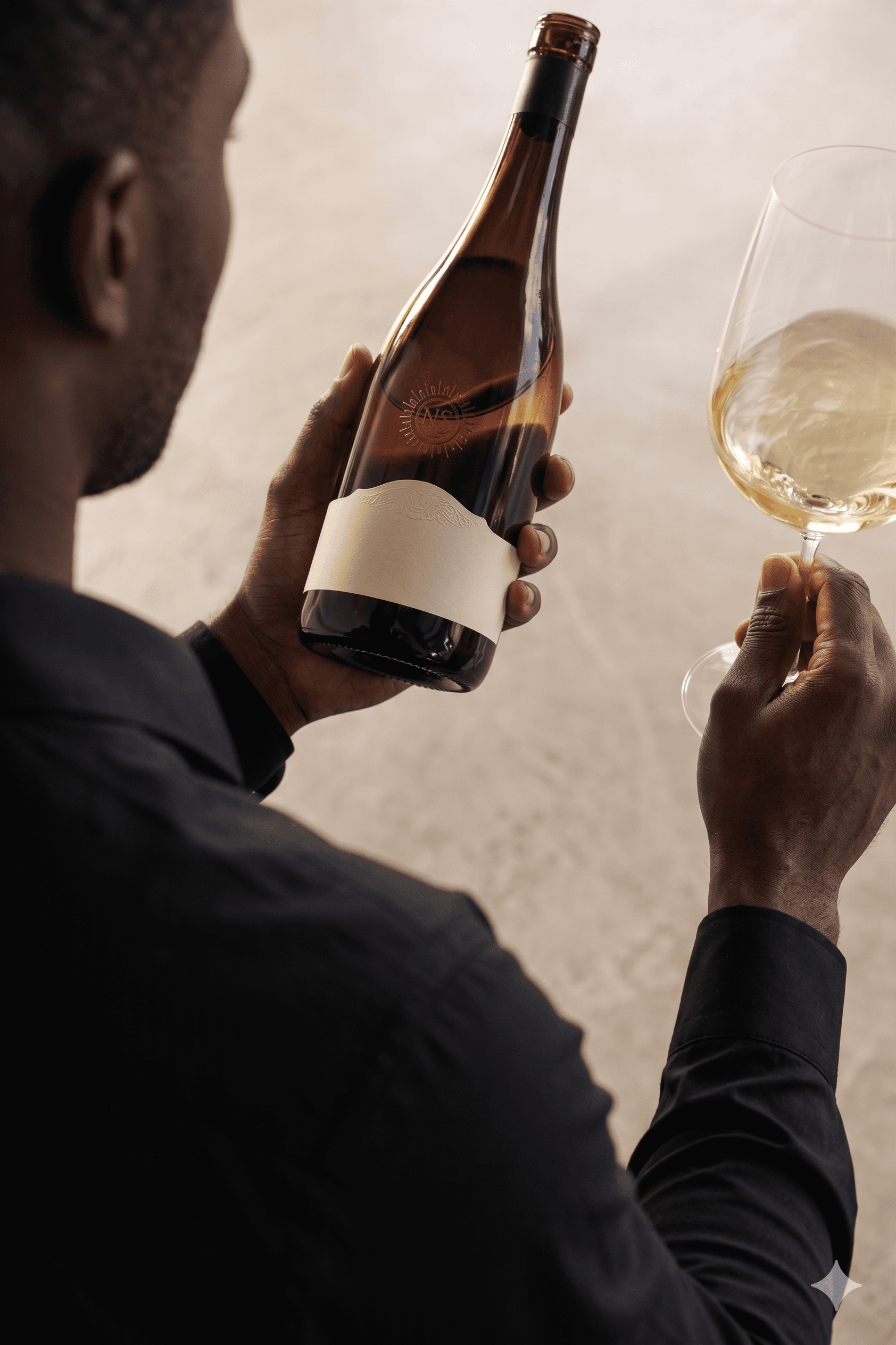
You are standing in the wine aisle, looking at ten bottles that all seem to be saying something slightly different. One leads with the grape, another with a place name, another with a grand-looking estate you have never heard of. If you have ever wondered how to read a wine label without feeling like you need a glossary first, the good news is this: most labels are giving you the same core clues. You just need to know where to look.
A wine label is not there to impress people who already know everything. At its best, it helps you work out what is in the bottle, how it might taste and whether it suits the moment. Once you know the main signposts, choosing wine gets much easier and much more personal, especially if you understand how to choose wine based on your taste.
How to read a wine label: start with the big four
Most wine labels contain four useful pieces of information: producer, region, grape and vintage. Not every bottle presents them in the same order, and some regions prioritise place over grape, but these are the details that matter most when you are trying to make a smart choice quickly.
The producer is the winery, estate or brand that made the wine. This can be helpful if you have tried one of their bottles before and liked their style. Over time, producer names become shortcuts. If you know a certain producer makes fresh, citrusy whites or smooth, juicy reds, that tells you more than a medal sticker ever will.
The region tells you where the wine comes from. That matters because place affects flavour. A Sauvignon Blanc from Marlborough will usually taste very different from one made in the Loire. A Rioja and a Barossa Shiraz are both red, but they are not interchangeable. Region often gives you style clues before you even look at anything else, something we explore deeper in Old World vs New World wines.
The grape is the easiest cue for many people because it links directly to familiar taste expectations. Chardonnay, Pinot Noir, Malbec and Riesling all carry broad flavour associations. If you want a quick reference, check out popular wine grapes and their flavours.
That said, grape alone is not the whole story. Chardonnay can be crisp and mineral or creamy and rich. Pinot Noir can be light and floral or darker and earthier. The label gets you close, but context matters—especially when you understand wine characteristics and how to identify them.
The vintage is the year the grapes were harvested. This is not always a make-or-break detail for everyday buying, but it can still be useful. A very young white might be bright and lively. An older red may be softer and more developed. Some wines are meant to be drunk young, while others improve with age—something explained in which wines improve with age and why.
Why some labels name the grape and others do not
One of the biggest points of confusion when learning how to read a wine label is why some bottles say Merlot or Chenin Blanc in large type, while others only mention a place like Chablis, Chianti or Sancerre.
This usually comes down to wine tradition and labelling rules. In many New World regions, producers often lead with the grape because it is clear and familiar. In many Old World regions, especially in Europe, labels often lead with the place because the region itself defines the wine style.
If a bottle says Chablis, for example, it is made from Chardonnay, even if Chardonnay does not appear on the front. If it says Sancerre, that is typically Sauvignon Blanc. If it says Barolo, you are looking at Nebbiolo.
These names can feel opaque at first, but once you learn a few common examples, labels become far less mysterious. If you’re just starting out, this is covered in a simpler way in our wine for beginners guide.
The words that actually help when choosing wine
Beyond the headline information, labels often include a few style clues. Some are genuinely useful. Others are more marketing than meaning.
Terms like dry, off-dry, crisp, full-bodied and sparkling can help set expectations. If you know you prefer fresh whites over rich ones, or lighter reds over bold, tannic styles, these words can save time. If you're unsure what these mean, it’s worth understanding wine characteristics and how to identify them.
Alcohol level can also tell you something. A wine at 12% ABV may feel lighter and brighter than one at 14.5%, especially in reds, though there are exceptions.
You might also see terms such as oak-aged, unfiltered or old vines. These can be informative, but they do not automatically mean better. Oak-aged often suggests more spice, vanilla or texture—something influenced by how wine is made and fermented.
How to read a wine label by country
The fastest way to get better at reading labels is to notice how different countries tend to present information.
French labels often put the region first. You may need to know a few place names to understand the grape. Italian labels can be similar, though many now include the grape on the back label to make things easier. Spanish labels often highlight region and ageing terms, such as Crianza or Reserva, which can tell you about time spent maturing before release.
Australian, New Zealand, South African, Chilean and many US labels more often lead with the grape variety. That can make bottle shopping feel more straightforward, especially when you are still building confidence.
But even there, region still matters. A Pinot Noir from Central Otago is not the same as one from California or Burgundy.
This is why learning how to read a wine label is less about memorising rules and more about spotting patterns—just like learning how to choose wine with confidence.
Don’t ignore the back label
The front label gets the attention, but the back label often does the real work. It may tell you about flavour, serving suggestions, food pairing and production methods in plain language. If the front feels vague, turn the bottle around.
If you want to go deeper into pairing, you can read how to pair wine with food the right way.
What wine labels cannot tell you on their own
A label can give you excellent clues, but it cannot tell you whether you will love the wine.
Two bottles with the same grape and region can taste quite different depending on producer style, vintage conditions and winemaking choices.
That is why relying only on labels—or ratings—is not always enough. If you’re curious, we break this down in why wine ratings don’t always help you choose the right bottle.
A simple way to use the label in the moment
When you are deciding between bottles, ask three quick questions:
What is the grape (or likely grape)?
What region is it from?
Is it light and fresh, or rich and bold?
That small check is usually enough to narrow things down fast.
And if a label still leaves you unsure, that is exactly the kind of moment where understanding your personal taste makes all the difference.
👉 You can also use Swirl to scan the bottle and instantly see if it matches your taste.
The more labels you read, the less they feel like a test and the more they feel like a shortcut. You do not need to speak fluent wine. You just need enough information to choose with intention—and enough self-knowledge to choose what you will genuinely enjoy.

Head Sommelier
Marcus is our Head Sommelier with experience in highly regarded places including 1, 2 and 3-Michelin-starred restaurants. With over 10 years of experience, he's passionate about helping people having unforgettable wine experiences.
Go to all articles