What is and when to use a wine decanter
Two jobs: aerating a tight young wine and separating an old one from its sediment. Here's when a decanter helps and when it does nothing.
 Reviewed by Marcus Henningsson, Head Sommelier
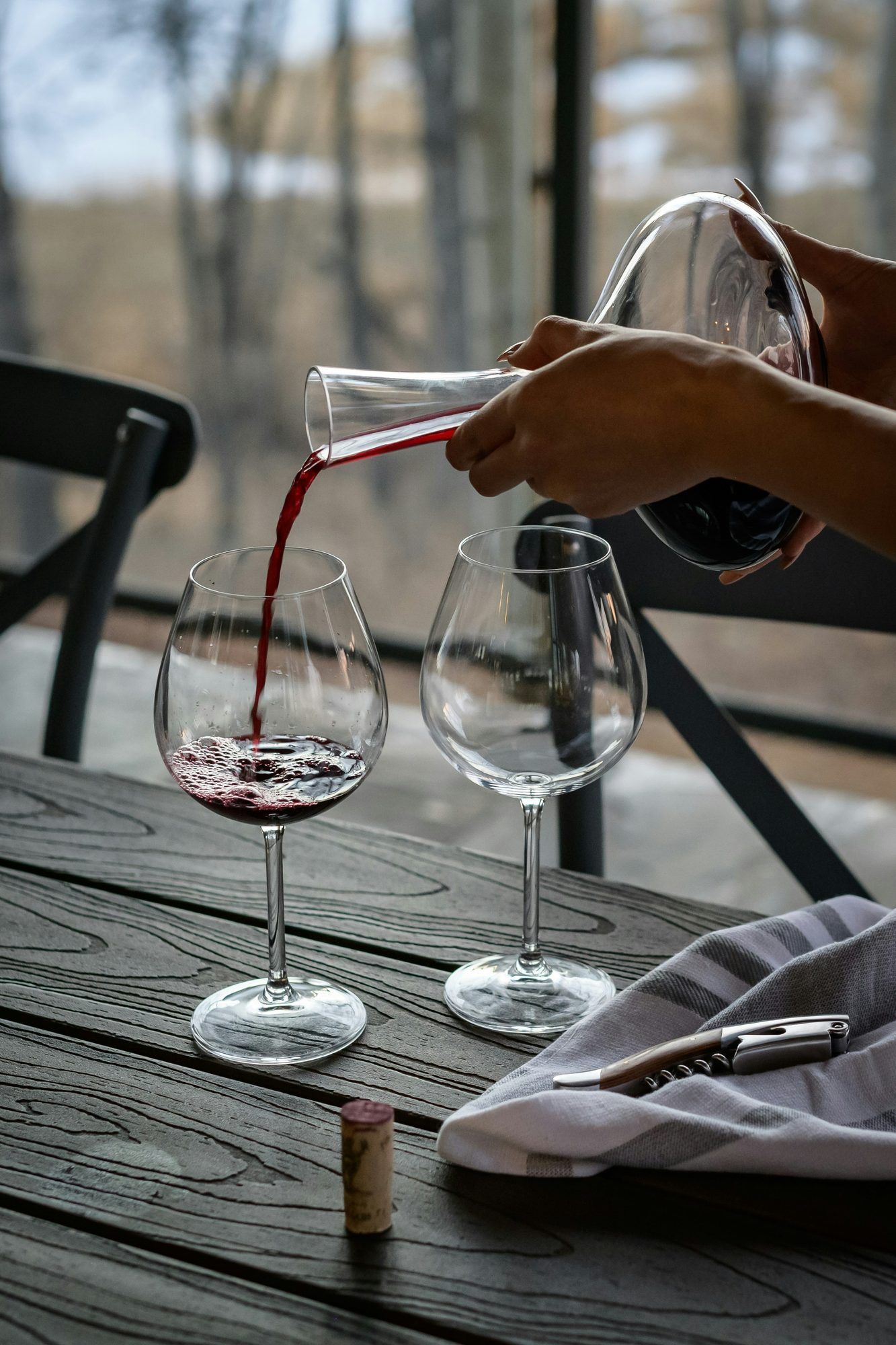
A wine decanter is more than just a beautiful piece of glassware—it’s a tool that enhances the drinking experience by unlocking the full potential of your wine. Whether you're enjoying a bold red or a complex vintage, using a decanter can elevate your tasting experience. Here's what a decanter does and why it’s worth incorporating into your wine routine.
What does a decanter do?
- Aeration
Decanting exposes wine to oxygen, which helps soften tannins, reduce bitterness, and release the wine’s aromas. This process, called aeration, allows the wine to "breathe," making it taste smoother and more balanced. For young, tannic red wines like Cabernet Sauvignon or Syrah, decanting can significantly improve the flavor profile. - Sediment Removal
Older red wines and some unfiltered wines may contain sediment, which can affect the texture and clarity of your pour. Decanting separates the wine from sediment by slowly pouring it into the decanter, leaving the unwanted particles behind in the bottle. - Enhancing Aromas and Flavors
By allowing the wine to breathe, decanting unlocks complex aromas and enhances flavor nuances. This is particularly beneficial for red wines, but some white wines and even certain rosés can also benefit from brief decanting.
Why use a decanter?
Decanting is about more than just improving the wine; it adds ceremony to the experience. Whether you're hosting a dinner party or enjoying a quiet evening, using a decanter makes the act of drinking wine feel special and intentional.
How to decant wine
- Choose the right decanter: A wide-bottom decanter works best for young wines, allowing maximum oxygen exposure. For older wines, use a decanter with a narrower neck to preserve delicate flavors.
- Pour slowly: Tilt the bottle and decanter to avoid disturbing the sediment. Stop pouring as soon as you see sediment reaching the neck of the bottle.
- Timing matters: Decant young, bold wines for 30-60 minutes. Older wines may need just a few minutes to breathe, as over-aerating can dull their flavors.
Do all wines need decanting?
Not all wines require decanting. While bold reds benefit the most, lighter reds, whites, and sparkling wines rarely need it. However, experimenting with decanting is part of discovering your wine preferences.
Do decanters really work?
Yes, decanters truly work, but their necessity depends on the wine. Decanters are especially effective for young, tannic red wines and older vintages with sediment, as they enhance aromas, soften flavors, and clarify the wine. However, not all wines require decanting—lighter reds, whites, and sparkling wines usually don't benefit as much. While a decanter isn’t always essential, using one can elevate your wine experience by unlocking its full potential and creating a ritual that makes wine enjoyment more intentional and enjoyable.
The Swirl approach
Swirl makes wine appreciation easier by educating users on all aspects of wine. Use the app to learn about and track wines, and get recommendations tailored to your taste. Whether you're enjoying a young Cabernet or a vintage Bordeaux, Swirl can guide you to the perfect pour.
Frequently asked questions
What does a wine decanter do?
A decanter does two main jobs. It aerates wine, exposing it to oxygen to soften tannins, reduce bitterness and release aromas, which especially helps young, tannic reds like Cabernet Sauvignon or Syrah. It also separates older or unfiltered wines from their sediment, as you pour slowly and leave the particles behind in the bottle.
How long should you decant wine?
Decant young, bold wines for 30 to 60 minutes. Older wines may need just a few minutes to breathe, because over-aerating can dull their flavours. When pouring, tilt the bottle and decanter and pour slowly to avoid disturbing the sediment, stopping as soon as you see sediment reaching the neck of the bottle.
Do all wines need decanting?
No. Bold reds benefit the most, especially young, tannic ones and older vintages with sediment. Lighter reds, whites and sparkling wines rarely need it, although some whites and certain rosés can benefit from brief decanting. A decanter is not always essential, and experimenting with it is part of discovering your own wine preferences.
What shape of decanter is best?
It depends on the wine. A wide-bottomed decanter works best for young wines because it allows maximum oxygen exposure. For older wines, a decanter with a narrower neck helps preserve their more delicate flavours. Whichever you choose, decanting also adds a sense of ceremony that makes drinking wine feel special and intentional.

Article reviewed by
Marcus Henningsson
Head Sommelier
Marcus is our Head Sommelier with experience in highly regarded places including 1, 2 and 3-Michelin-starred restaurants. With over 10 years of experience, he's passionate about helping people having unforgettable wine experiences.