Article

You opened something lovely on Tuesday. You had a glass, put the cork back in, and left the bottle on the counter. It's now Friday, you're eyeing it over the pasta, and the question arrives: is this still worth drinking, or has it quietly gone off?
Almost everyone has stood in front of a half-finished bottle doing this maths. The good news is that the answer isn't a mystery, it's chemistry, and it's fairly predictable. Here's how long wine lasts after opening, style by style, and what actually makes the difference.
What happens to wine once you open the bottle?
The moment a bottle is opened, oxygen gets to work. Oxygen reacts with the alcohol in the wine and converts it to acetaldehyde, and given enough time and the presence of acetic acid bacteria, that acetaldehyde converts further into acetic acid, the main component of vinegar (Coravin, SevenFifty Daily).
That's why an oxidised wine tastes flat, sour and slightly nutty rather than fresh. Colour shifts too: whites turn browner, reds drift towards orange-brown at the rim.
A little oxygen early on is a good thing, it's exactly why some bottles improve after decanting and letting the wine breathe. The problem is time. Hours of contact opens a wine up. Days of contact wears it out.
How long does wine last after opening, by style?
These are flavour windows, not hard deadlines. Wine is a moving target and two bottles of the same grape can behave differently.
Sparkling wine: hours to about 3 days
Bubbles are the first thing to go. Sparkling wine begins losing fizz almost immediately, and it's at its best within the first few hours. A proper sparkling stopper plus the fridge can hold onto some carbonation for roughly one to three days, but it will never taste the way it did on night one (Coravin, Wine Folly). The teaspoon-in-the-neck trick, sadly, does nothing.
Light whites and rosé: 2–4 days
Crisp, dry styles like Sauvignon Blanc, Pinot Grigio and dry rosé generally hold for two to four days when resealed and refrigerated. As a rule of thumb, the drier and more acidic the wine, the better it copes (Coravin, Decanter).
Full-bodied and oaked whites: 2–3 days
Oaked Chardonnay, Viognier and similar richer whites tend to fade faster than their lean cousins, because they've already had extra oxygen exposure during ageing before bottling (Coravin).
Red wine: 3–5 days
Most reds are good for three to five days, resealed and kept somewhere cool and dark. Structure matters here: tannin-rich reds like Cabernet Sauvignon hold up longer than delicate, low-tannin reds like Pinot Noir, which can lose their perfume in a day or two (Coravin, Wine Folly). If you're not sure how much tannin a bottle has, our guide to wine characteristics and how to identify them is a useful shortcut.
Sweet and fortified wines: 1 week to several weeks
Port, sherry, Madeira and Marsala have higher alcohol and, in some cases, were deliberately exposed to oxygen during production, so they shrug off a bit more air. An opened bottle typically holds for one to three weeks in a cool, dark spot; tawny Port can stretch to around six weeks in the fridge, while Madeira and Marsala can go for months. Vintage Port is the exception and is best enjoyed within a few days (Coravin, Wine Spectator).
Does putting wine in the fridge really help?
Yes, and it applies to reds too. Cold slows the chemical reactions behind oxidation and reduces the activity of acetic acid bacteria, which is why refrigerating an opened bottle (of any colour) buys you extra days of good flavour (Wine Spectator, Decanter).
The catch is temperature. Fridge-cold red tastes closed and hard, so take it out 20–30 minutes before pouring. If you want to get this right, we've covered it properly in our guide to wine serving temperature.
What's the best way to keep an opened bottle fresh?
Ranked roughly from cheapest to most effective:
Reseal and refrigerate. The original cork or screwcap plus the fridge does most of the work. This is the 80% solution and it costs nothing.
Decant into a smaller bottle. Pour leftovers into a clean half-bottle and fill it to the top. Less headspace means less oxygen sitting on the wine (Wine Spectator).
Store it upright. An upright bottle exposes less surface area of wine to the air in the neck than one lying on its side.
Vacuum stoppers. They pump air out and typically add a couple of days, though they also draw off some aromatic compounds along with the oxygen (Wikeeps).
Inert gas systems. Argon is heavier than air and settles over the wine as a protective blanket, which is why argon-based systems preserve wine for weeks rather than days (Wikeeps). They're the priciest option and mostly worth it if you regularly open bottles you don't intend to finish.
How can you tell if an opened bottle has turned?
Trust your nose first. A wine that has oxidised past its best smells sharp and vinegary, or sometimes like nail polish remover, and tastes dull, sour and stewed rather than fruity. Browning in a white, or a brick-orange edge in a young red, is another giveaway (Coravin).
Worth knowing: oxidation is not the same thing as cork taint. A corked bottle smells of damp cardboard from the moment it's opened, and no amount of careful storage causes it. We break down the difference in when is a wine bad or corked.
What this guidance can't tell you
Be a little sceptical of any chart (including the ranges above) that promises exact numbers. Every published window is an average, and real bottles vary.
The honest limitations:
Your bottle isn't the average bottle. Acidity, tannin, alcohol, sulphur dioxide levels and how much wine is left all shift the timeline. Two Pinot Noirs can differ by days.
Age changes everything. An old, delicate wine that has been slowly ageing for decades can fall apart within hours of opening, no matter how carefully you reseal it. Our piece on which wines improve with age explains why fragility comes with maturity.
Your palate is the real deadline. Some people love the softened, slightly oxidative character of a red on day four. Others find it lifeless by day two. Neither is wrong and no guide can tell you which one you are.
That last point is the important one. The only genuinely reliable way to know how long your wines last after opening is to taste them across a few days and write down what you find.
Ready to stop guessing what your leftovers taste like?
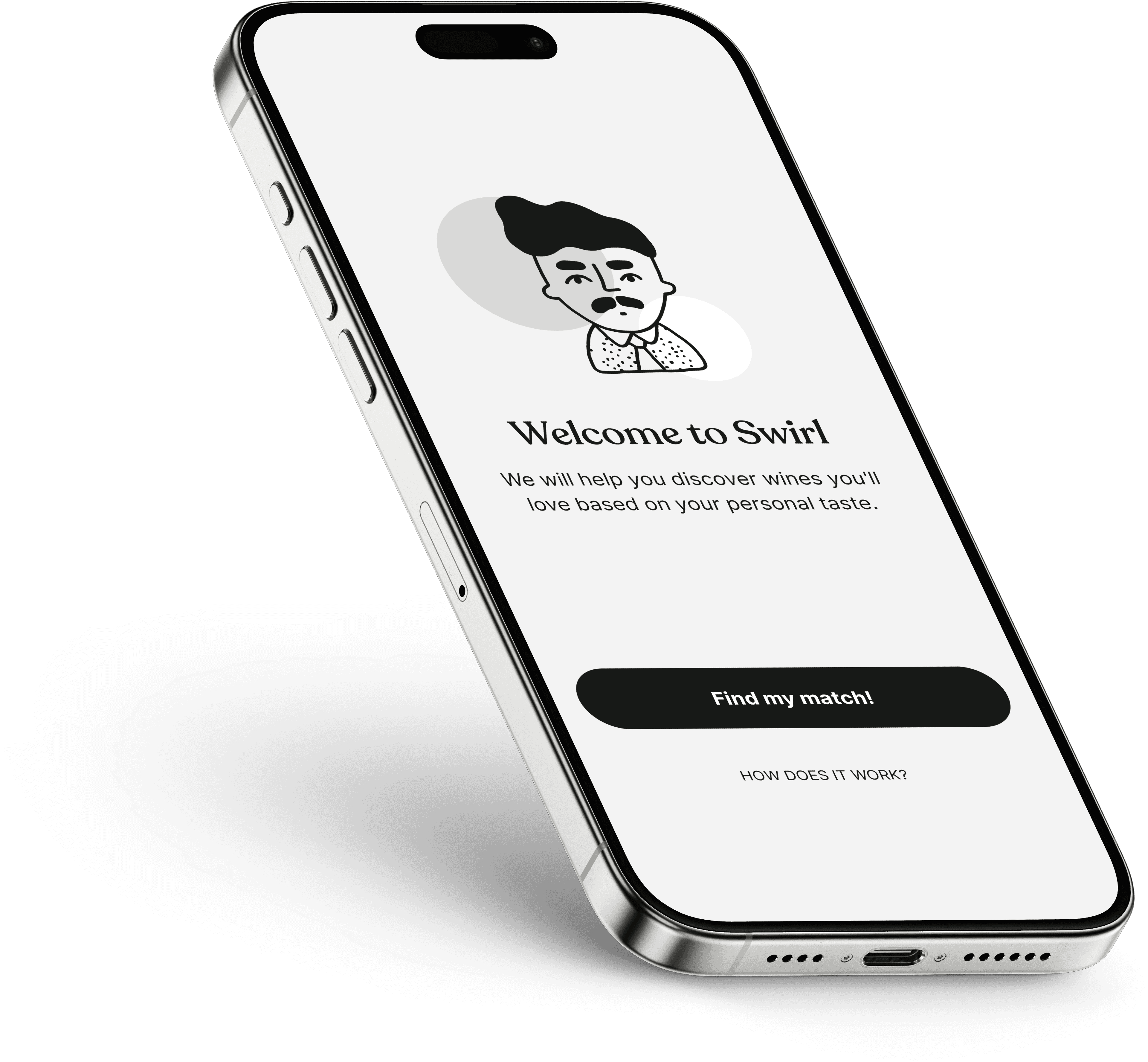
This is exactly what Swirl's private tasting notes are for. Scan the label when you open a bottle, jot down what it tasted like on day one, then add a quick note on day three. Do that a handful of times and you'll have a personal record of which styles hold up in your kitchen and which ones are strictly a one-evening affair, built from your palate, not an average.
With Swirl you can:
Scan any wine label and instantly see its grape, region, style and food pairings
Keep private tasting notes and photos for every bottle you open
Build a taste profile that learns what you actually enjoy
Get personalised recommendations based on your palate, not crowd ratings
Track your wine journey in one organised, searchable collection
Download Swirl and start building your taste profile
Sources

Head Sommelier
Marcus is our Head Sommelier with experience in highly regarded places including 1, 2 and 3-Michelin-starred restaurants. With over 10 years of experience, he's passionate about helping people having unforgettable wine experiences.
Go to all articles