How to choose wine at store with confidence
A shelf of 400 bottles, no help and ten minutes. A practical method for choosing well in a wine shop or supermarket without defaulting to price.
 Reviewed by Marcus Henningsson, Head Sommelier
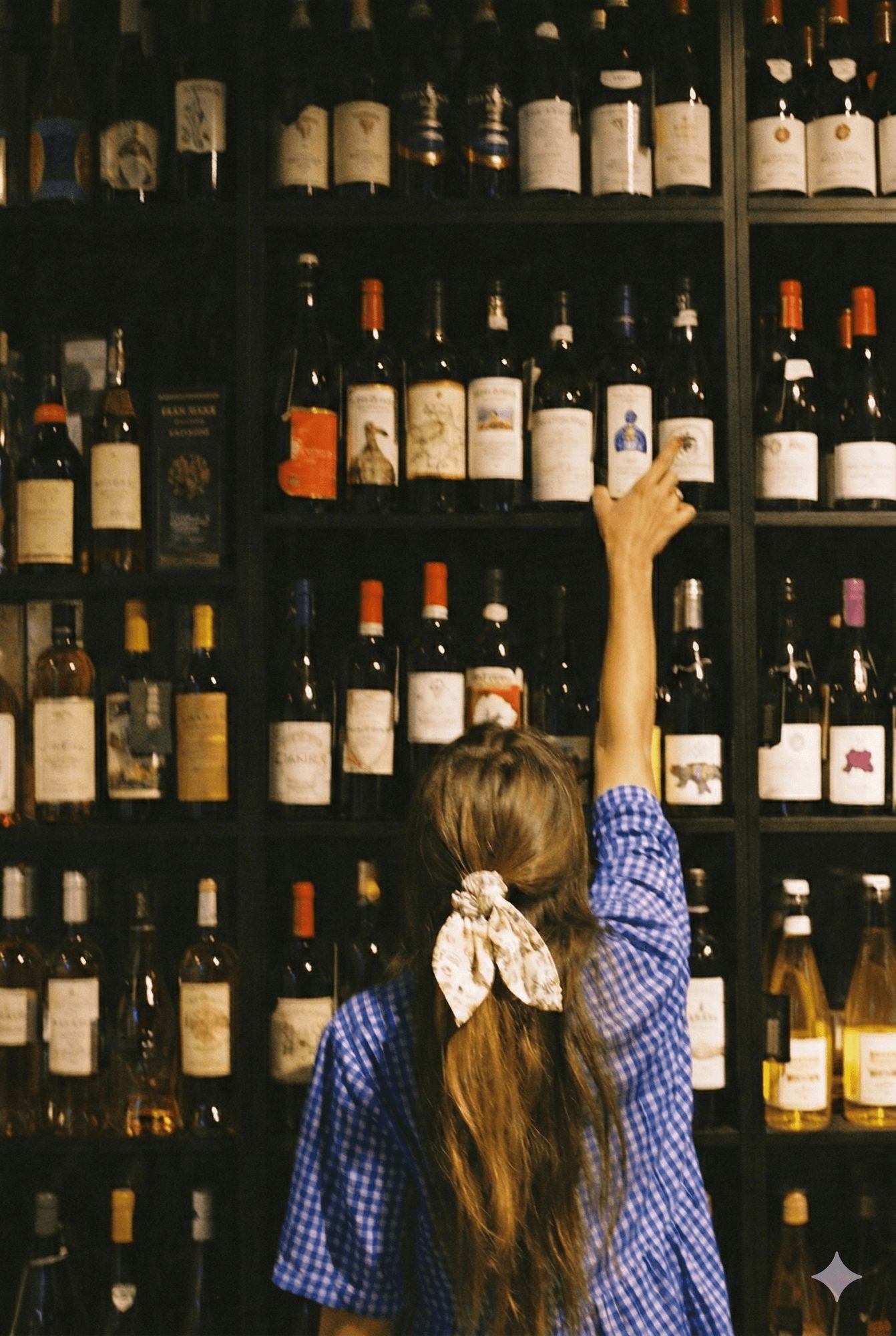
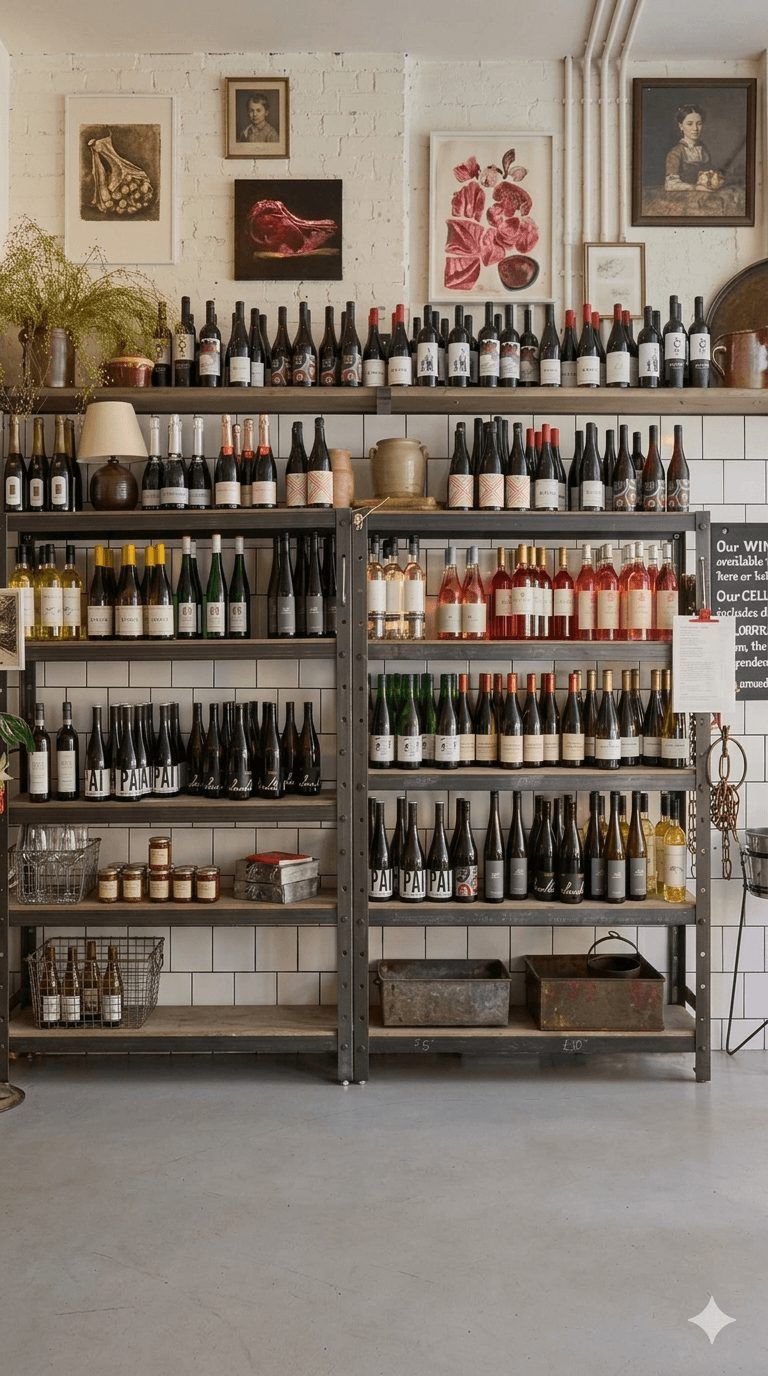
You are standing in front of a wall of bottles, trying to look calm while your brain runs through exactly three thoughts: red, white, and help. If you have ever searched for how to choose wine in a shop without feeling like you need a certification first, the good news is this: you do not need to know everything. You just need a better way to narrow the shelf down to a bottle you are actually likely to enjoy.
That is the part most wine advice misses. It often treats wine like a test of knowledge, when most people are simply trying to buy something for tonight's pasta, a dinner with friends, or a quiet glass on the sofa. The goal is not to pick the bottle that would impress a wine judge. The goal is to pick one that suits your taste, your meal and your budget.
How to choose wine in a shop without overthinking it
Start with what you already know about your own preferences. Not wine theory. Not expert scores. Your preferences. Do you usually like lighter drinks or richer ones? Fresh, crisp flavours or something softer and rounder? Juicy fruit or drier, savoury notes?
If you know you dislike bitterness, a heavily tannic red may not be your best bet, even if the bottle has an impressive label. If you prefer bright, refreshing drinks, an oaked Chardonnay might feel too rich, while a Sauvignon Blanc could be a better fit. The fastest route to a good choice is not chasing the "best" wine. It is recognising your own pattern.
This matters because wine shopping often goes wrong when people buy for reputation instead of enjoyment. They grab the famous region, the medal sticker, or the bottle with the biggest crowd appeal. Sometimes that works. Often it just means drinking someone else's idea of what is good.
Build your choice around three things
When the shelf feels crowded, focus on three filters: occasion, style and spend. Those three decisions will do more for you than memorising grape maps.
Occasion changes what makes sense. A bottle for a weekday takeaway is different from a gift, and both are different from wine for a roast dinner. Think first about context. Are you sipping on its own, pouring for a group, or matching it with food? A wine that is perfect with spicy noodles may feel sharp and odd on its own.
Style is where your taste comes in. For white, ask whether you want crisp and zesty or creamy and full. For red, think light and juicy or deep and structured. For rosé, decide whether you want dry and pale or fruitier and softer. Those are simple style cues, but they are enough to point you in the right direction.
Spend keeps the decision realistic. More expensive does not always mean more enjoyable. Sometimes it means older, rarer or more traditional. That can be great if that is what you want. If not, a mid-shelf bottle can easily be the better buy. A useful rule is to skip the very cheapest options when you can, then choose confidently within a comfortable range.
What to read on the label when choosing wine in a shop
A wine label can look crowded, but you do not need to read every line. A few details do most of the work.
The grape variety is usually the easiest clue. If the label says Pinot Grigio, Malbec, Shiraz or Riesling, that gives you an immediate style signal. Pinot Grigio tends to be light and crisp. Malbec is often smooth and fruity with some depth. Shiraz usually brings richer fruit and spice. Riesling can range from bone dry to sweet, so it is worth checking for tasting notes too.
The region matters, but only if you use it practically. Marlborough often signals punchy Sauvignon Blanc. Rioja often suggests a smoother, oak-aged Spanish red. Provence rosé is usually dry and pale. You do not need a geography lesson. Just learn a few regions linked to styles you enjoy.
Alcohol level is an underrated clue. A white wine at 11% will often feel lighter and fresher than one at 14%. A red at 15% may taste fuller, warmer and more powerful. That is not better or worse. It just helps you predict the feel of the wine before you buy it.
Tasting notes can help, but read them with a little scepticism. If a label mentions citrus, green apple and minerality, expect something sharper and fresher. If it mentions vanilla, butter or baked fruit, expect a rounder style. Ignore overly poetic wording and look for practical descriptors.
Price, medals and ratings - what actually matters
Shelf talkers and stickers are designed to speed up decision-making, but they can also steer you away from your own taste. A gold medal does not tell you whether you will enjoy the wine. A 92-point score does not tell you whether it suits your dinner. General ratings tend to reward broad approval, not personal fit.
That is why buying wine can feel strangely repetitive. People keep choosing bottles that are supposed to be good rather than bottles that are good for them. If you have ever bought a highly rated wine and felt underwhelmed, that is probably what happened.
Price works in a similar way. It can signal quality, but only loosely. Production methods, region prestige and brand positioning all influence cost. A pricier bottle might be more complex. It might also simply come from a more expensive appellation. If you are still figuring out your taste, paying more for status is rarely the smartest move.
A better question than "Is this wine well rated?" is "Does this bottle match the style I usually enjoy?" That question is less glamorous, but much more useful.
A simple way to match wine to food
Food pairing does not need to be theatrical. You are not trying to create a fine dining moment every Tuesday. You are trying to avoid obvious clashes and find combinations that feel easy.
For lighter meals such as salads, grilled fish or simple chicken dishes, look for whites and rosés with freshness. Sauvignon Blanc, Pinot Grigio and dry rosé are reliable places to start. For richer dishes such as creamy pasta, roast chicken or buttery sauces, fuller whites like Chardonnay can work beautifully.
For red meat, burgers or tomato-based pasta, medium to fuller reds often make sense. Merlot, Malbec, Rioja and Sangiovese are approachable options depending on how rich you want to go. If you are ordering spicy food, be careful with very tannic reds or heavily oaked wines. They can make heat feel harsher. A fruit-forward red or an aromatic white often works better.
And if there is no food involved, choose based on mood. Crisp for refreshing. Soft for comforting. Sparkling for energy. That counts too.
The fastest way to get better at buying wine
The real skill is not picking perfectly every time. It is remembering what worked and what did not. Most people never build confidence because they keep starting from zero. They try a bottle, forget the name, vaguely remember liking it, then repeat the same random process next time.
That is where tracking changes everything. If you note the bottle, grape, region, price and whether you enjoyed it, patterns appear quickly. You may realise you love dry Riesling, prefer lighter reds to bold ones, or keep buying Chardonnay when what you actually enjoy is Albariño. One smart tool, used consistently, will teach you more than ten generic wine articles.
A wine app like Swirl can make that process much easier because it helps turn a shelf full of options into personal guidance. Instead of relying on crowd opinion, you can scan labels, keep private notes and use your own history to make better choices. That is a very different experience from guessing based on shelf stickers.
When to take a small risk
Playing safe has its place, especially when you need a dependable bottle. But some of the best wine discoveries come from taking a small, informed risk. Not a wild one. Just enough to expand your range.
If you always buy Sauvignon Blanc, try Picpoul or Vermentino. If you default to Malbec, try a Garnacha or a softer Tempranillo. Stay close to the style you enjoy, but shift one variable. That way you are exploring without gambling the whole evening on something completely off-track.
Confidence at the wine shop does not come from knowing the fanciest words. It comes from trusting your taste, reading a few useful cues, and letting each bottle teach you what to choose next time. The shelf gets much less intimidating once you stop trying to get it universally right and start choosing what is right for you.
Frequently asked questions
How do I choose a good wine in a shop?
Focus on three filters: occasion, style and spend. Think about whether you are sipping on its own, pouring for a group or matching food. Then pick a style you enjoy, such as crisp or creamy whites, or light or structured reds. Finally, choose confidently within a comfortable budget, skipping the very cheapest options where you can.
Is more expensive wine always better?
No. A higher price can signal quality, but only loosely, because production methods, region prestige and brand positioning all affect cost. A pricier bottle might be more complex, or it might simply come from a more expensive appellation. If you are still learning your taste, paying more for status is rarely the smartest move.
What does the alcohol percentage tell you about a wine?
It helps you predict how a wine will feel. A white at 11% will often feel lighter and fresher than one at 14%, while a red at 15% may taste fuller, warmer and more powerful. Neither is better or worse, but alcohol level is a useful clue to a wine's style before you buy it.
How can I try new wines without buying something I won't like?
Take a small, informed risk by staying close to a style you already enjoy and changing just one variable. If you always buy Sauvignon Blanc, try Picpoul or Vermentino. If you usually choose Malbec, try a Garnacha or a softer Tempranillo. That way you explore without gambling the whole evening.

Article reviewed by
Marcus Henningsson
Head Sommelier
Marcus is our Head Sommelier with experience in highly regarded places including 1, 2 and 3-Michelin-starred restaurants. With over 10 years of experience, he's passionate about helping people having unforgettable wine experiences.