Tuscany wine region: Chianti, Brunello, Super Tuscans and the vintages to know
Your guide to the Tuscany wine region: Sangiovese, Chianti Classico, Brunello, Super Tuscans, top vintages and producers. Find the Tuscan wine you'll love.
 Reviewed by Marcus Henningsson, Head Sommelier
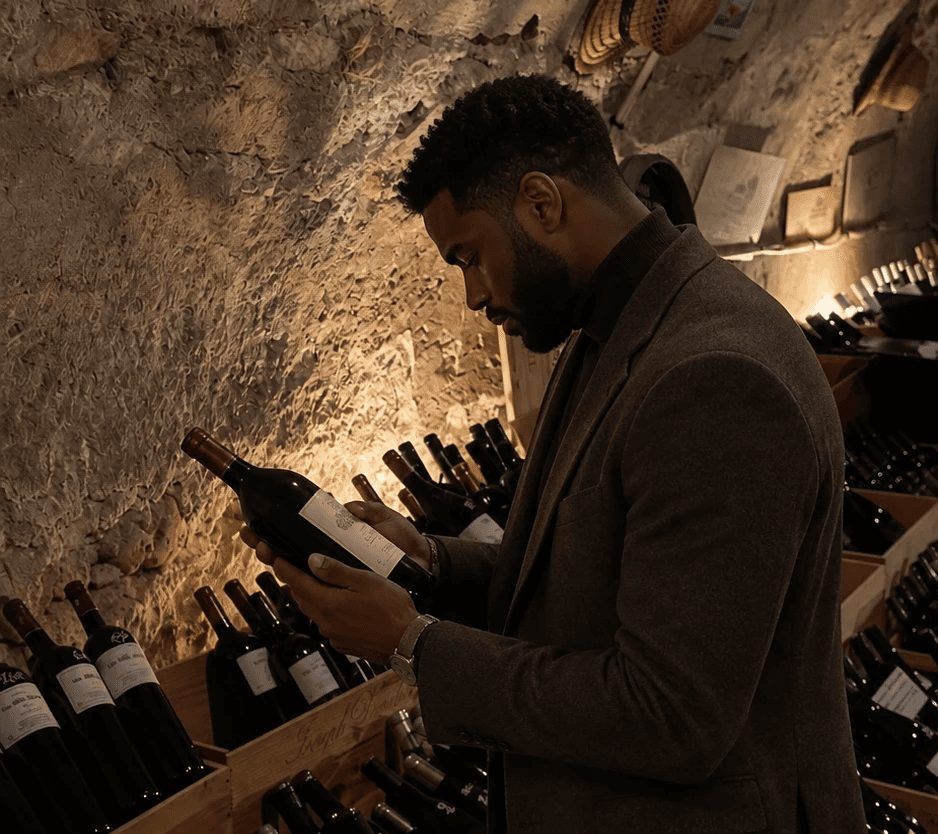
You're back from a week in Tuscany, still slightly sunburnt, and you want to recreate that long lunch on the terrace. So you head to the wine shop and find three shelves of Chianti, a wall of Brunello and something called a "Super Tuscan" that costs more than your flight. The bottle from lunch? You took a photo of it, somewhere between 400 pictures of hill towns.
This guide to the Tuscany wine region explains where it is, why Sangiovese matters so much, how Chianti differs from Chianti Classico, what made the Super Tuscans famous, which vintages to look for and which producers to know. By the end you'll be able to find your way along those shelves and work out which Tuscan style you actually prefer.
Where is the Tuscany wine region?
Tuscany (Toscana) sits in central Italy, stretching from the Apennine mountains to the Tyrrhenian coast, with Florence and Siena at its heart. It's a hilly region, with more than two-thirds of its land classed as hills, and more than 80% of the wine it makes is red. Tuscany has 11 DOCG and 41 DOC wines. The names you'll see most are:
- Chianti Classico — the historic heartland between Florence and Siena, symbolised by the black rooster
- Chianti — a much larger zone wrapping around Chianti Classico
- Montalcino — a hilltop town south of Siena, home to Brunello di Montalcino
- Montepulciano — home to Vino Nobile di Montepulciano (not to be confused with the Montepulciano grape)
- Bolgheri — on the coast, the birthplace of the Super Tuscans
- Maremma — the southern coast, known for Morellino di Scansano
- San Gimignano — the tower town famous for its white wine, Vernaccia di San Gimignano
Which grapes are grown in Tuscany?
Sangiovese is the grape that defines Tuscany. It gives red wines with bright acidity, firm tannins and flavours of sour cherry, red plum, dried herbs and tomato leaf, often with an earthy, savoury edge. Many local clones exist, and Brunello itself is the Montalcino name for the local Sangiovese.
Sangiovese is often blended with local reds such as Canaiolo and Colorino, or with international grapes. Cabernet Sauvignon, Merlot and Cabernet Franc have become important, especially on the coast at Bolgheri.
Among the whites, Trebbiano is the most planted, followed by Malvasia, Vermentino (popular on the coast) and Vernaccia. Trebbiano and Malvasia are also the traditional grapes for Vin Santo, Tuscany's famous sweet wine. New to these names? Our guide to the most common wine grapes is a good place to start.
What is the history of Tuscan wine?
Vines have been grown here since the Etruscans settled the area around the 8th century BC. One of the first legal wine boundaries in the modern world was drawn here too: on 24 September 1716, Cosimo III de' Medici, Grand Duke of Tuscany, issued a proclamation defining the production zone of Chianti, the area now called Chianti Classico. The same year he gave special protection to Carmignano.
In the 19th century, Baron Bettino Ricasoli experimented with blends and concluded that Sangiovese, Canaiolo and Malvasia made the best Chianti. Around the same time in Montalcino, Clemente Santi isolated Sangiovese vines to make a long-lived wine from that single grape. In 1888 his grandson, Ferruccio Biondi-Santi, released what is considered the first modern Brunello.
The 20th century brought the Super Tuscans. In 1944 Mario Incisa della Rocchetta planted Cabernet Sauvignon at Tenuta San Guido in Bolgheri, and Sassicaia went on sale from the 1968 vintage. Piero Antinori followed with Tignanello, a Sangiovese and Cabernet blend first made in 1971. Because these wines broke the rules of the time, they were labelled as simple table wine despite their price. The IGT Toscana category (1992) and the Bolgheri DOC (1994) later gave most of them a proper home.
What is the climate and soil like in Tuscany?
Tuscany has a Mediterranean climate: warm, dry summers and mild winters, moderated by the Tyrrhenian Sea. Most vineyards sit at roughly 150 to 490 metres. Height matters: cool nights in the hills keep acidity fresh and aromas vivid.
Each zone has its own character. Montalcino is one of the warmest and driest parts of Tuscany, with around 700 mm of rain a year compared with roughly 900 mm in Chianti, so its Sangiovese ripens fuller. Bolgheri, near the sea, has the gravelly, stony soils that reminded Incisa della Rocchetta of Bordeaux's Graves.
In Chianti Classico, two soils come up again and again. Galestro is a crumbly, flaky clay-schist that drains well and is linked to wines with bright acidity and firm structure. Alberese is a harder limestone found more on lower slopes, often associated with savoury, mineral wines.
What wine styles does Tuscany make?
Tuscany's quality ladder runs from easy everyday Chianti to some of Italy's most collected wines. The key styles are:
- Chianti Classico — at least 80% Sangiovese, with Annata, Riserva and Gran Selezione tiers
- Brunello di Montalcino — 100% Sangiovese, at least two years in oak and released just over four years after harvest
- Rosso di Montalcino — Brunello's younger sibling from the same area, released after one year and usually a fraction of the price
- Vino Nobile di Montepulciano — mainly Sangiovese, known locally as Prugnolo Gentile
- Super Tuscans — often IGT Toscana or Bolgheri DOC, built on Cabernet, Merlot or Sangiovese blends
- Vin Santo — a sweet wine made from dried grapes and aged in barrel for at least three years
What's the difference between Chianti and Chianti Classico?
They're two separate DOCGs. Chianti Classico covers the original 1716 zone and its bottles carry the black rooster (Gallo Nero) on the neck. Chianti is a far larger area around it, and the wines are often lighter and simpler. Since 2014 the top tier of Chianti Classico has been Gran Selezione, made only from estate grapes, and since 2021 these wines can name one of 11 villages or areas on the label. Our guide on how to read a wine label explains what else to look for.
Who are the leading Tuscan producers?
These estates are a reliable place to start:
- Marchesi Antinori — a Florentine family in the wine trade since 1385, now in its 26th generation and the creator of Tignanello.
- Tenuta San Guido — the Bolgheri estate behind Sassicaia, whose first vintage on the market was 1968.
- Biondi-Santi — the Montalcino estate at Villa Greppo where Ferruccio Biondi-Santi released the first modern Brunello in 1888.
- Fontodi — a Chianti Classico estate in the Conca d'Oro valley below Panzano, known for its Flaccianello della Pieve.
- Marchesi Frescobaldi — a Florentine family making wine for around 700 years, with estates including Castello Nipozzano and CastelGiocondo in Montalcino.
Which Tuscan vintages are the best?
Tuscany's zones don't always follow the same pattern, so here's a guide to recent Brunello di Montalcino vintages, based on the Wine Scholar Guild's chart:
- 2010 — warm, with excellent ripeness and fresh acidity
- 2013 — a typical season giving tightly packed, ageworthy wines
- 2014 — difficult and rainy; lighter wines for earlier drinking
- 2015 — exceptional; near-perfect ripeness and plush fruit
- 2016 — exceptional; among the finest of the decade, built for long ageing
- 2017 — very hot; higher sites did best, for mid-term drinking
- 2018 — excellent to exceptional; elegant and long
- 2019 — excellent to exceptional; producers are very enthusiastic
- 2020 — excellent; near-ideal weather and cool nights
- 2021 — excellent to exceptional; spring frost cut yields, but the wines are structured
Bolgheri broadly followed suit, with 2010, 2015 and 2016 rated exceptional. Vintage charts are a guide, not a rule, and our article on which wines improve with age explains why a young Brunello can feel so firm.
How can you find the Tuscan wine you actually like?
Here's the honest part: knowing that 2016 was a great Brunello year doesn't tell you whether you prefer the bright, savoury bite of a Chianti Classico or the plush, dark fruit of a Bolgheri blend. That only comes from tasting and remembering. This is where Swirl helps. Scan the label of any Tuscan wine you try, rate it and jot down what you noticed, and Swirl builds a private taste profile around your palate rather than crowd scores. Over time it learns whether you lean towards classic Sangiovese or the richer, international style of the Super Tuscans, and recommends bottles to match. If Italian reds are your thing, our Piemonte wine region guide is a natural next stop.
What this guide can't tell you
No guide can tell you what you'll enjoy. Vintage ratings are averages, and two Chianti Classicos from the same year can taste completely different depending on altitude, soil and winemaker. A famous name or a high price doesn't guarantee you'll like a wine. The only reliable way to know is to taste, note what you liked and compare.
Ready to find your perfect Tuscan wine?
Whether you're recreating a holiday lunch or just curious about Chianti versus Brunello, Swirl makes it simple:
Swirl is free on iOS and Android, with an optional Pro subscription.
Frequently asked questions
What is the main grape in Tuscany?
Sangiovese is Tuscany's signature grape. It's the backbone of Chianti, Chianti Classico, Vino Nobile di Montepulciano and Brunello di Montalcino, which must be 100% Sangiovese. It gives red wines with bright acidity, firm tannins and flavours of sour cherry, dried herbs and earth. Cabernet Sauvignon and Merlot are important on the coast.
What is the difference between Chianti and Chianti Classico?
They are two separate DOCGs. Chianti Classico comes from the historic zone between Florence and Siena, first defined in 1716, and must contain at least 80% Sangiovese. Its bottles carry the black rooster symbol. Chianti covers a much larger surrounding area, and its wines are generally lighter and simpler in style.
What is a Super Tuscan wine?
A Super Tuscan is a high-quality Tuscan red made outside the traditional appellation rules, often using Cabernet Sauvignon, Merlot or a blend with Sangiovese. The style began with Sassicaia, first sold from the 1968 vintage, and Tignanello, first made in 1971. Most are now labelled IGT Toscana or Bolgheri DOC.
What are the best recent Brunello di Montalcino vintages?
According to the Wine Scholar Guild's vintage chart, 2015 and 2016 are rated exceptional for Brunello, with 2018, 2019 and 2021 just behind. 2014 was a difficult, rainy year and 2017 was very hot. Brunello is released just over four years after harvest, so the latest vintages may not be in shops yet.
Sources
- Tuscan wine — Wikipedia
- The proclamation of the boundaries for the production of Chianti Classico — Consorzio Vino Chianti Classico
- Brunello di Montalcino — Wikipedia
- Galestro — Wine with Seth
- Tuscany Vintage Chart — Wine Scholar Guild
- History — Tenuta San Guido
- The Antinori family — Marchesi Antinori
- Bolgheri Sassicaia DOC — Consorzio Tutela Vini Bolgheri DOC
- Biondi-Santi, Fontodi, Marchesi Frescobaldi — official producer sites
- Swirl — Swirl official site

Article reviewed by
Marcus Henningsson
Head Sommelier
Marcus is our Head Sommelier with experience in highly regarded places including 1, 2 and 3-Michelin-starred restaurants. With over 10 years of experience, he's passionate about helping people having unforgettable wine experiences.