What Are Tannins in Wine? Why Some Reds Feel Drying
Tannins come from grape skins, seeds and oak. They bind to your saliva, which is why some reds feel dry and grippy. Here's which grapes have the most.
 Reviewed by Marcus Henningsson, Head Sommelier
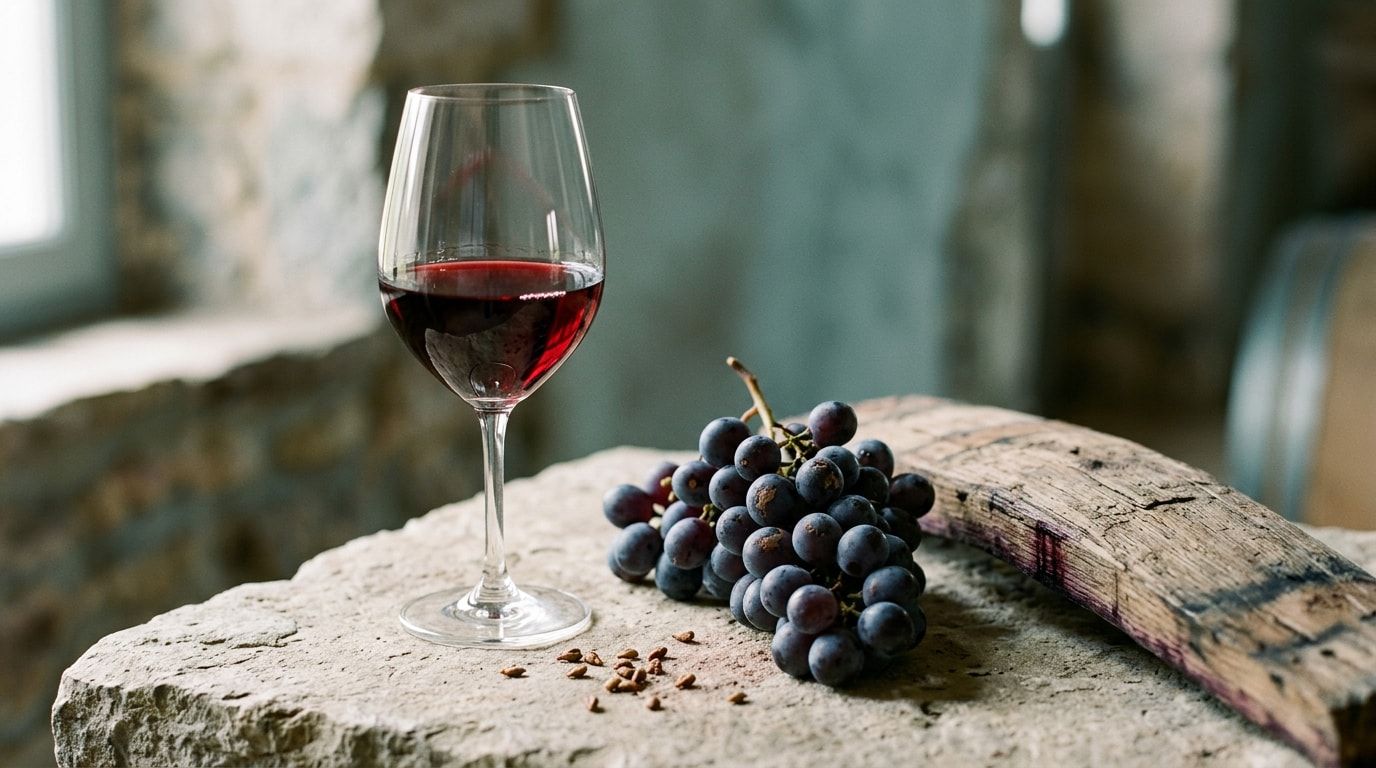
You take a sip of red wine and, a second later, your mouth feels like you've licked a tea bag. Your gums tighten, your tongue goes dry, and you reach for water. Another red, from the same shop at the same price, feels soft and silky instead.
That difference is mostly tannin. It's one of the most-used words in wine and one of the least explained. Once you understand it, though, it becomes one of the most useful ways to describe what you like.
What are tannins in wine?
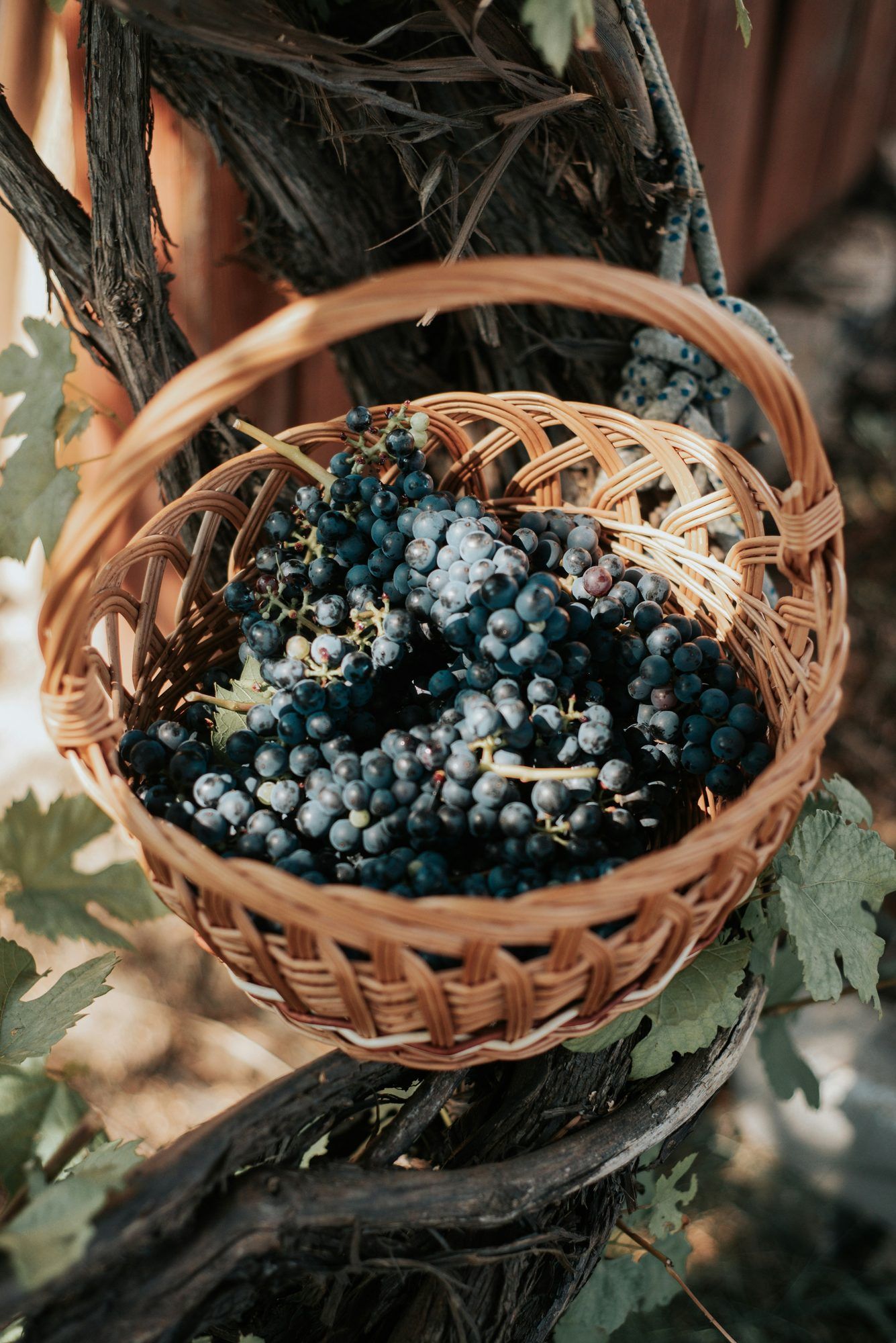
Tannins are naturally occurring compounds found in plants, including grapes. In wine they come mainly from grape skins and seeds, and to a lesser extent from stems. They're released during fermentation, as the skins and pips soak in the juice.
Wine can also pick up tannins from oak barrels used for fermentation or ageing, though a barrel gives less each time it's reused.
You also know tannins from outside wine. Strong black tea that's been left to steep too long, coffee, dark chocolate and an unripe peach all have the same drying grip.
Why do tannins make your mouth feel dry?
Tannins bind to proteins, including the proteins in your saliva. When they do, your saliva loses its slippery quality, which leaves the dry, puckering, mouth-coating sensation wine people call astringency.
So tannin is mostly a texture, not a flavour. It's something you feel on your gums, tongue and cheeks rather than taste. Young, tannic wines can also taste slightly bitter, but the defining sensation is that grip. It sits alongside body, acidity and sweetness as one of the wine characteristics worth learning to identify.
Do all wines have tannins?
Mostly red wines, because red wine is made by fermenting the juice with its skins, which is where the tannins are. White wines are usually pressed off their skins quickly, so they have little or none, though a white aged in new oak can pick up some tannin from the wood.
Orange wine, which is white wine made with long skin contact, sits in between.
Which grapes have the most tannin?
As a rule, thicker-skinned grapes make more tannic wines, and thin-skinned grapes make softer ones.
| Higher in tannin | Lower in tannin |
|---|---|
| Cabernet Sauvignon (the backbone of many Bordeaux reds) | Pinot Noir |
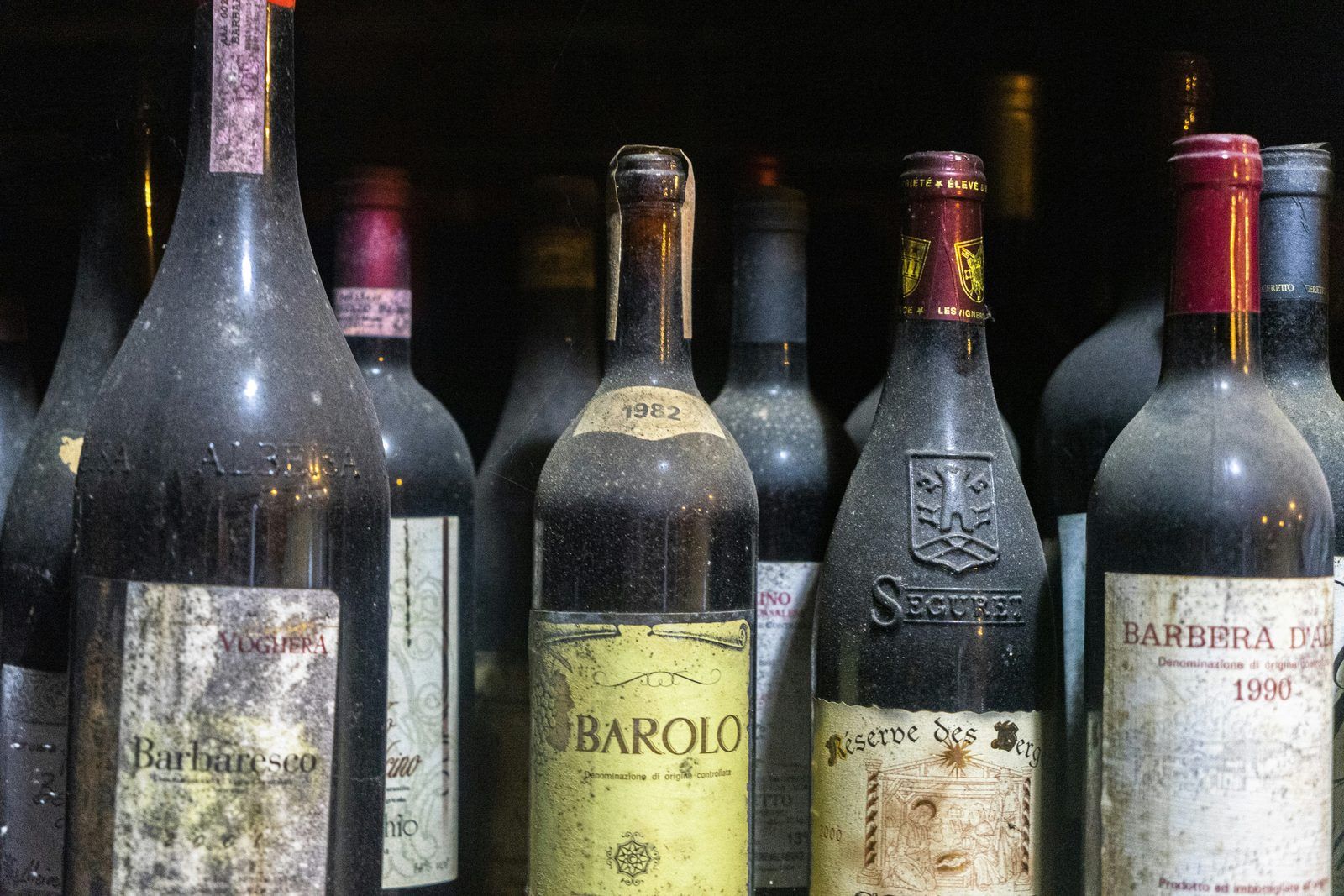
| Nebbiolo (Barolo and Barbaresco, from Piemonte) | Gamay (the Beaujolais grape) |
| Sangiovese (Chianti and much of Tuscany) | Grenache |
| Tannat | |
| Syrah, Malbec and Tempranillo |
Nebbiolo is a useful example of why colour isn't a reliable guide. Darker wines often have more tannin, but Nebbiolo is pale in the glass and very grippy on the palate.
The grape is only part of the story. Climate, vineyard site and winemaking also matter a great deal, especially how long the juice stays in contact with the skins. A winemaker can make a gentle Cabernet or a firmer Pinot Noir depending on those choices.
Are skin, seed and oak tannins different?
They feel slightly different, which is why wine people sometimes describe tannins as "fine", "coarse", "green" or "silky":
- Skin tannins give much of a red wine's structure. In young wines they can feel rough and coarse.
- Seed tannins are more bitter. Winemakers usually press gently to avoid extracting too much of them.
- Oak tannins come from the barrel. They tend to integrate faster, but in a young, delicate wine like Pinot Noir they can stick out.
Do tannins soften with age?
Yes. Over time, tannin molecules link together into longer chains and eventually fall out of the wine as sediment. That's one reason an old red can have a deposit in the bottom of the bottle. As they do, the wine loses some of its astringency (and some colour) and feels smoother.
This is why powerful, tannic wines like young Barolo or classed-growth Bordeaux are often described as needing time. When young, the tannin can dominate. With age it settles, and the fruit and other flavours come through.
Tannins also help a wine keep its colour and flavour compounds as it ages, which is part of why tannic reds tend to age well.
Why do tannic wines taste better with food?
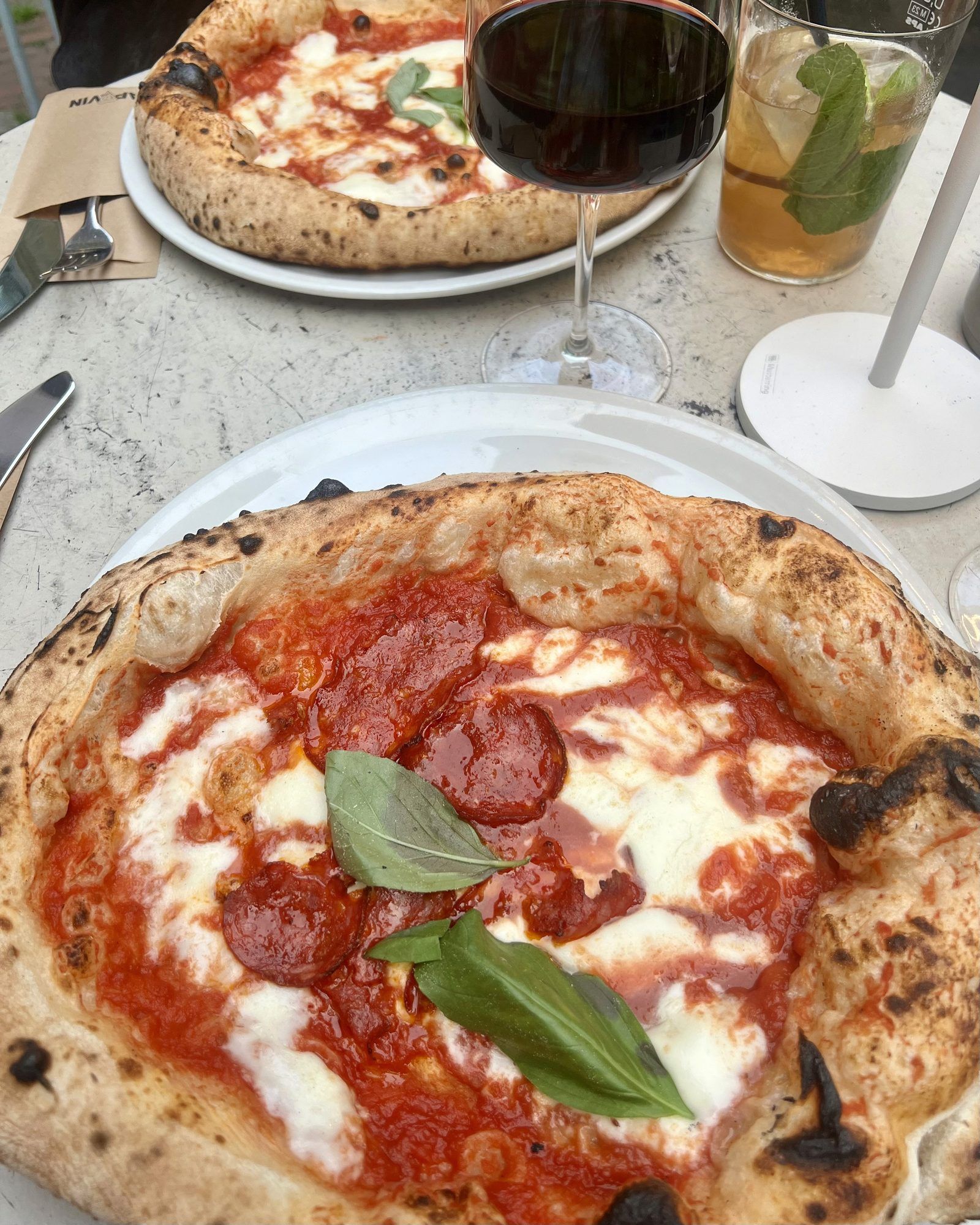
Because protein and fat give the tannins something to bind to other than your saliva. That's why a firm young red that feels harsh on its own can taste smooth with a steak, a hard cheese or a rich stew.
It's also why soft, low-tannin reds like Pinot Noir or Gamay are easier to drink on their own or with lighter dishes, and why a tannic red can clash with delicate fish. There's more on this in our guide to food pairing misconceptions.
If you've ever liked a wine at dinner and found it harsh the next evening without food, tannin is very likely the reason.
High or low tannin: which should you drink?
Neither is better. It's a preference, like strong tea versus weak tea. Some people love the grip and structure of a Nebbiolo or Cabernet. Others find it hard work and much prefer the softness of a Pinot Noir or a Grenache.
What is useful is knowing which camp you're in. "I like soft, low-tannin reds" or "I like firm, structured reds" is more helpful in a shop or restaurant than any score, because it tells you (or whoever is helping you) what to look for.
It also explains a lot of past disappointments. That highly rated red you didn't enjoy may simply have been more tannic than you like.
A simple way to find out is to taste a low-tannin and a high-tannin red side by side, for example a Beaujolais and a young Cabernet Sauvignon, and pay attention to how your gums feel. Our guide to choosing wines you'll actually like goes further into reading your own preferences.
What are tannins in wine? The short version
Here's everything above in five points.
- Tannins are plant compounds from grape skins, seeds, stems and oak barrels.
- They bind to proteins in your saliva, causing a dry, grippy texture called astringency.
- High-tannin grapes: Cabernet Sauvignon, Nebbiolo, Sangiovese, Tannat, Syrah, Malbec, Tempranillo. Low-tannin grapes: Pinot Noir, Gamay, Grenache.
- Tannins soften with age and feel smoother with protein and fat.
- Whether you like more or less tannin is personal taste, and knowing your preference makes choosing wine much easier.
Ready to find reds that match how you like them to feel?
Once you know whether you're a soft-red or a firm-red person, Swirl helps you use that knowledge. Scan any label to see its grape and style, save the wines you enjoy and keep private tasting notes on them. Swirl builds a private taste profile around what you like, so its recommendations point you towards the reds that suit your palate rather than the crowd's.
Frequently asked questions
Which red wines have the least tannin?
Reds made from thin-skinned grapes are usually the softest. Pinot Noir, Gamay (the Beaujolais grape) and Grenache are the classic low-tannin choices. Winemaking matters too: the less time the juice spends on its skins, the gentler the wine, so even a Cabernet can be made in a softer style.
How can you make a tannic wine taste softer?
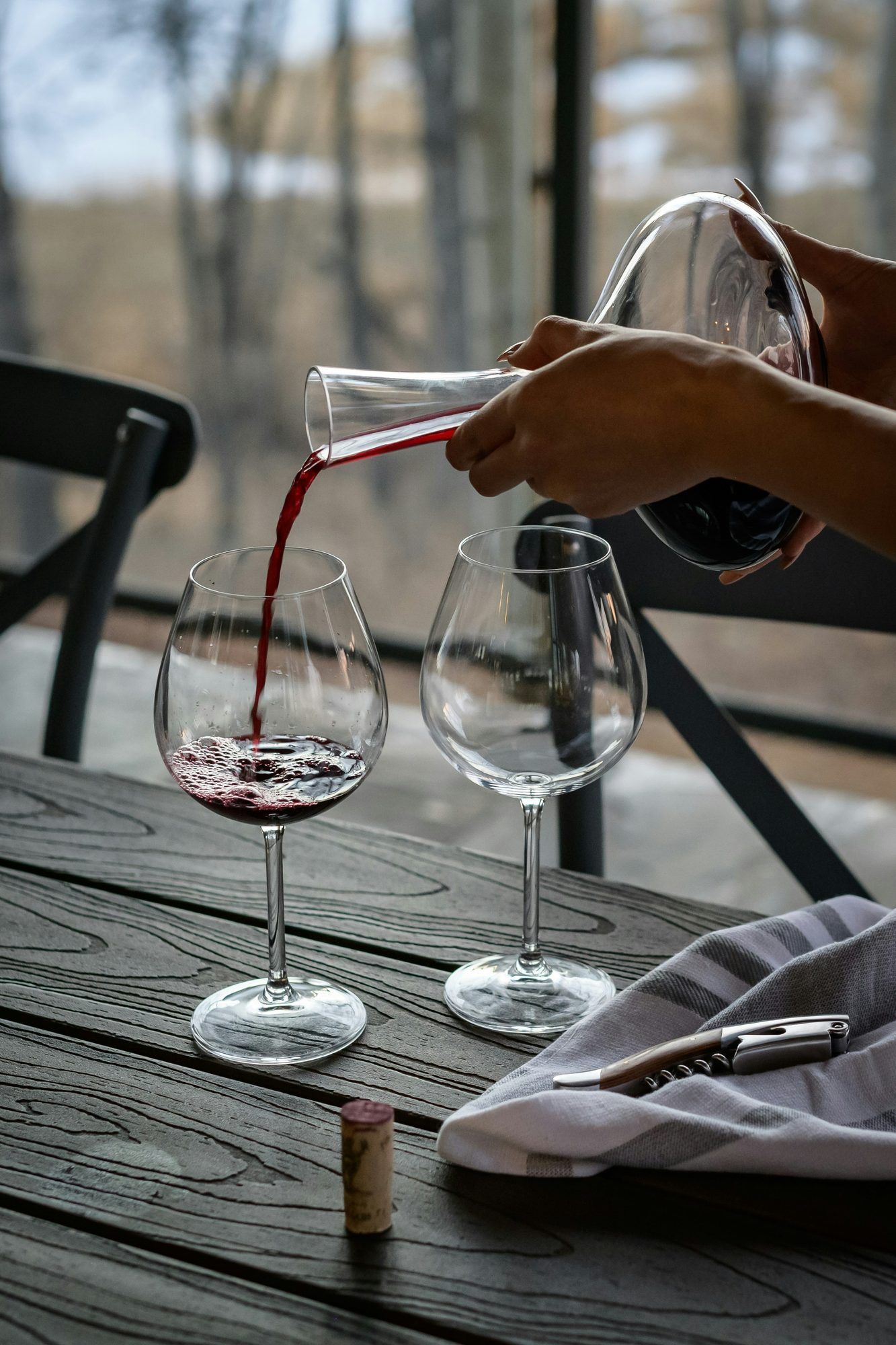
Serve it with food that has protein and fat, such as steak, hard cheese or a rich stew, because the tannins bind to those instead of your saliva. Decanting a young, oaky red an hour or two before serving also helps it seem rounder. Over years in the bottle, tannins soften on their own.
Is tannin a taste or a texture?
Mostly a texture. Tannin is the dry, grippy feeling on your gums, tongue and cheeks, called astringency, which comes from tannins binding to proteins in your saliva. Young, tannic wines can also taste slightly bitter, but the grip is what defines tannin, not a particular flavour.
Does a darker red wine always have more tannin?
No. Darker wines often have more tannin, but colour isn't a reliable guide. Nebbiolo, the grape behind Barolo and Barbaresco, is pale in the glass yet one of the grippiest reds there is. Grape, climate, vineyard site and how long the juice stays on its skins all play a part.
Sources

Article reviewed by
Marcus Henningsson
Head Sommelier
Marcus is our Head Sommelier with experience in highly regarded places including 1, 2 and 3-Michelin-starred restaurants. With over 10 years of experience, he's passionate about helping people having unforgettable wine experiences.